
The University of Venda (UNIVEN) has reinforced its commitment to institutional excellence by equipping leaders and aspiring writers with advanced corporate report-writing skills through an intensive workshop held at the 2TEN Hotel in Sibasa, outside Thohoyandou.
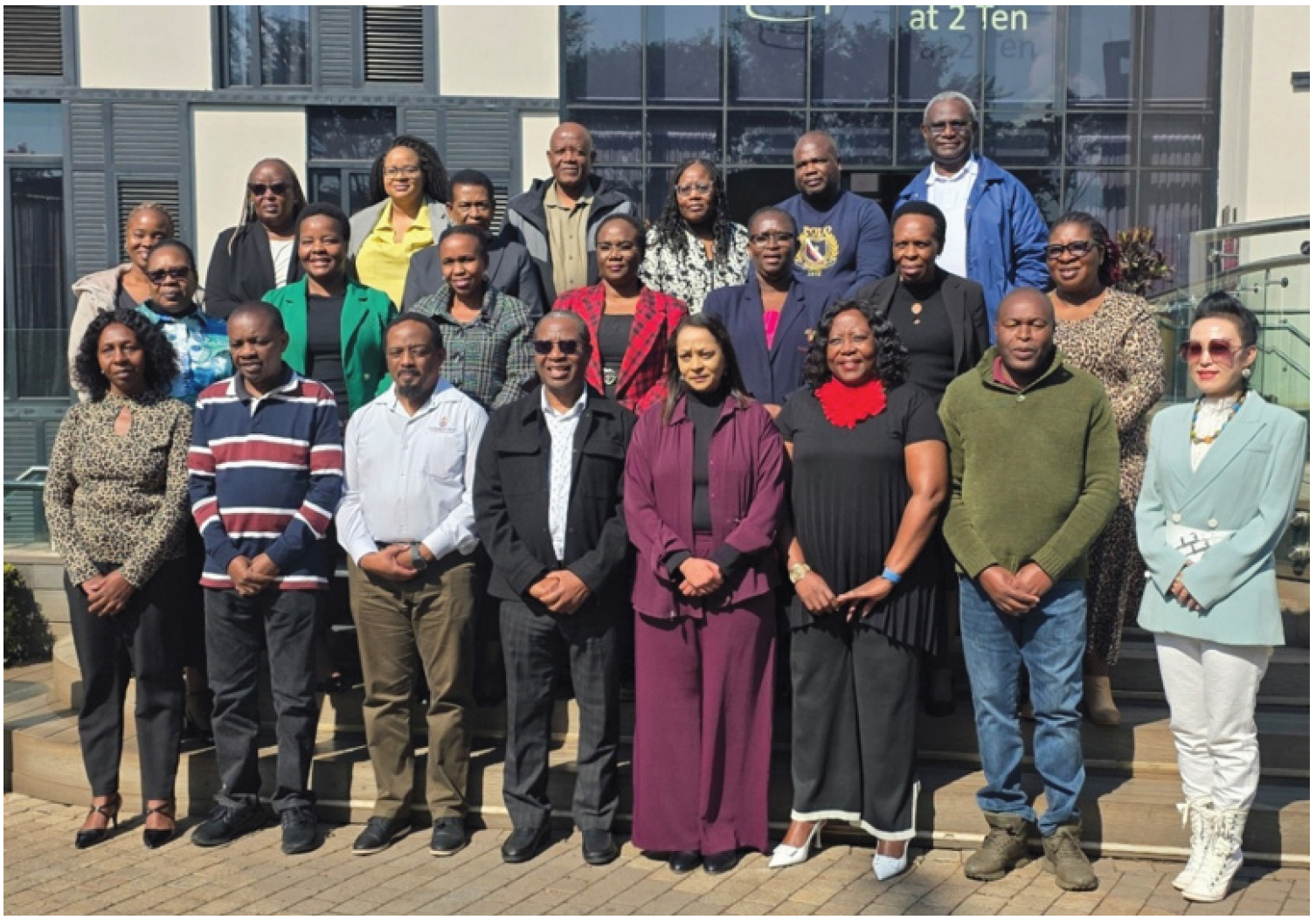
The first cohort of the workshop poses for a photo with the COO, Mr Botwe Kraziya (third from left) and the facilitator, Prof Avasha Rambiritch (fourth from right)
The Corporate Report Writing Workshop was presented in two cohorts. The first group, comprising senior managers and aspiring writers, attended from 2 to 3 June 2026, while a second cohort of managers, Heads of Departments (HoDs), and aspiring writers participated from 4 to 5 June 2026. The programme was facilitated by Professor Avasha Rambiritch from the University of Pretoria.
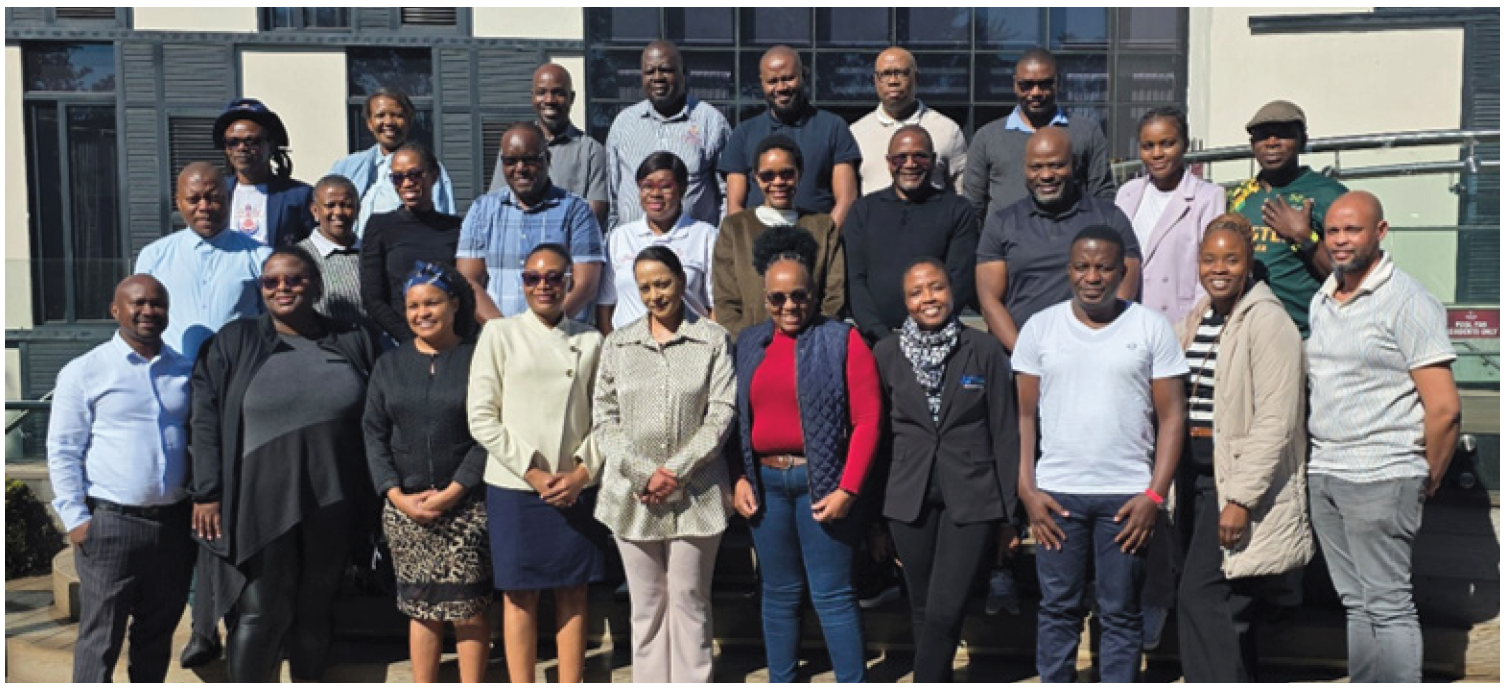
The second cohort poses with the facilitator of the workshop, Prof Avasha Rambiritch (fifth from left)
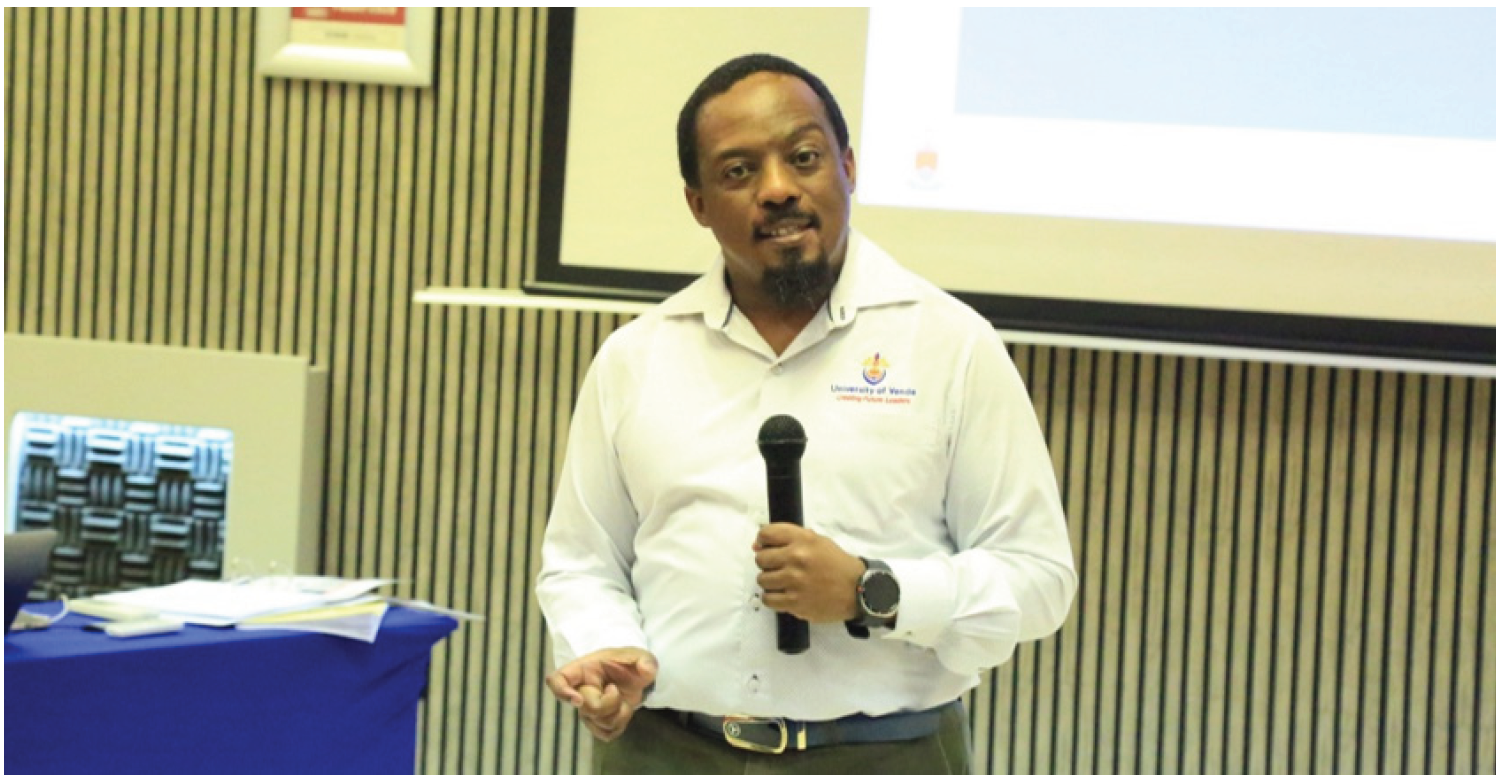
Mr Botwe Kraziya, Chief Operating Officer, UNIVEN
Opening the programme, Chief Operating Officer (COO) Mr Botwe Kraziya emphasised that report writing is far more than an administrative exercise. He described it as a vital tool for accountability, informed decision-making, and organisational communication. He encouraged participants to move beyond repetitive reporting practices and make better use of existing institutional knowledge to improve effectiveness.
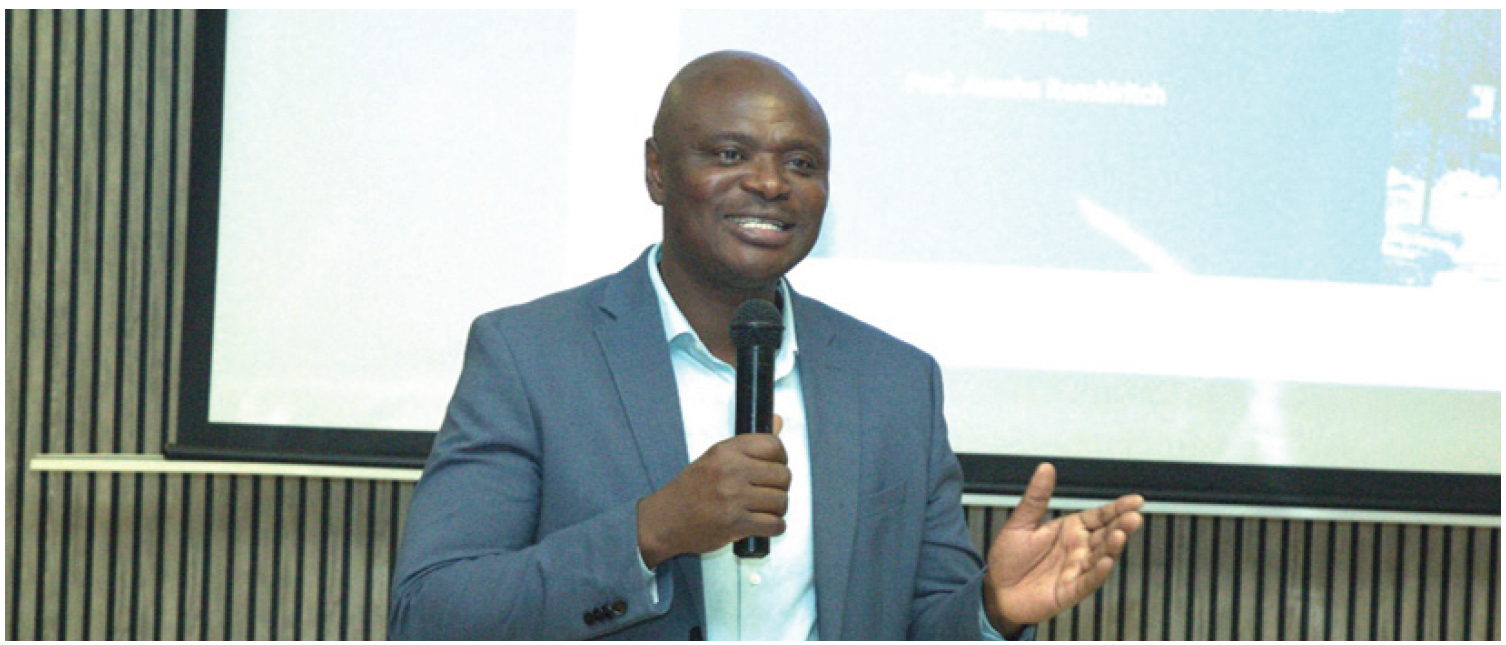
Mr Kenneth Mphaphuli, Head of Organisational Development and Training
Echoing these sentiments, Mr Kenneth Mphaphuli highlighted the role of quality reporting in advancing institutional performance and governance. He noted that well-crafted reports do more than record information; they influence decisions, shape strategy, and contribute to organisational success. Drawing on practical examples, he demonstrated how effective communication can either strengthen or undermine institutional outcomes.
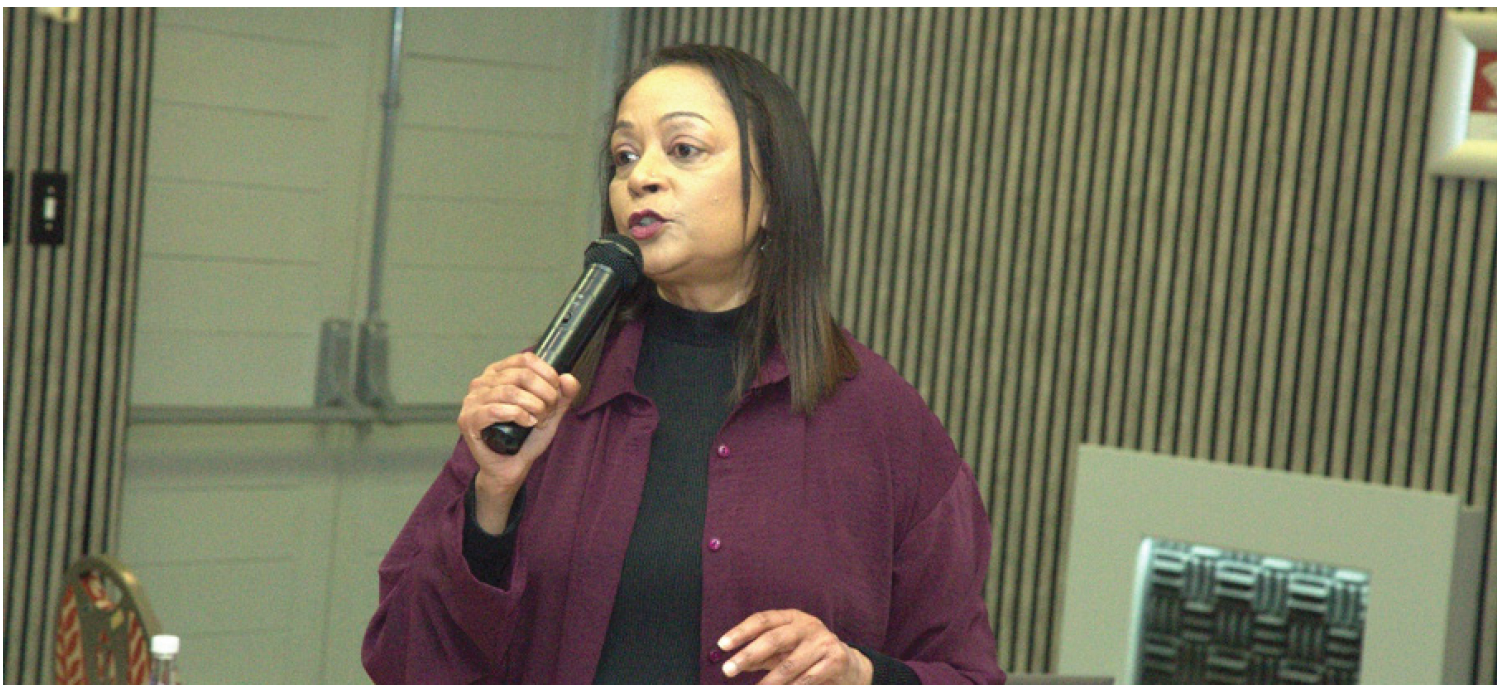
Professor Avasha Rambiritch of the University of Pretoria
Leading the programme, Professor Rambiritch guided participants through both the theoretical and practical aspects of corporate report writing. She challenged the perception that writing is an intimidating task, encouraging delegates to view it as a developmental process strengthened through reflection, revision, and continuous practice.
She stressed that effective reports must be accurate, objective, transparent, and ethically grounded, particularly because they inform high-level institutional decisions that affect staff and students alike. Participants explored common barriers to effective writing, including ambiguity, poor report structure, information overload, and limited audience awareness. Throughout the sessions, Professor Rambiritch emphasised the importance of clarity, noting that readers often decide within the first few paragraphs whether a report merits their attention.
The workshop also unpacked the anatomy of a professional report, covering essential components such as executive summaries, introductions, methodologies, findings, conclusions, recommendations, and appendices. Participants deepened their understanding of how to structure reader-friendly, decision-oriented reports and explored techniques for presenting information through tables, graphs, and other visual tools.
Beyond technical writing skills, discussions expanded to broader issues of institutional culture, knowledge management, and accountability. Delegates reflected on challenges such as duplicated reports, fragmented information systems, and limited access to existing documentation. These conversations highlighted the need for stronger archival practices and improved knowledge-sharing mechanisms to support continuity and informed decision-making across the institution.
Participants further enriched the workshop by sharing real-world experiences, from navigating tight reporting deadlines to implementing successful collaborative reporting practices. These exchanges sparked meaningful discussions on ownership, responsibility, accountability, and trust within organisational reporting processes.
The programme culminated in a practical writing exercise in which participants worked in pairs to develop report frameworks based on real-world scenarios, including postgraduate completion rates and employee wellness initiatives. Applying the principles learned during the workshop, delegates produced well-structured reports featuring clear introductions, critical analysis of identified challenges, and comprehensive, solution-driven recommendations.
In her closing remarks, Professor Rambiritch encouraged participants to embrace collaboration, mentorship, and lifelong learning, noting that report writing reflects both professional competence and organisational culture.
Reflecting on the workshop, one of the participants in group two, Ms Tebogo Makhambeni, Head of Business Systems in the Department of ICT, said: “What stood out most was the reminder that reports are written for readers, not writers. This highlighted the importance of presenting information in a way that tells a clear story, guides readers through key messages, and enhances understanding. The discussions also emphasised the need to communicate with clarity and precision, avoid ambiguity, and always consider the audience when drafting any written document.”
As the workshop concluded, participants left with more than enhanced technical writing skills. They departed with a renewed appreciation of report writing as a strategic tool for communication, governance, and institutional transformation. The initiative reaffirmed UNIVEN’s commitment to fostering a culture of excellence, accountability, and effective leadership through continuous professional development.
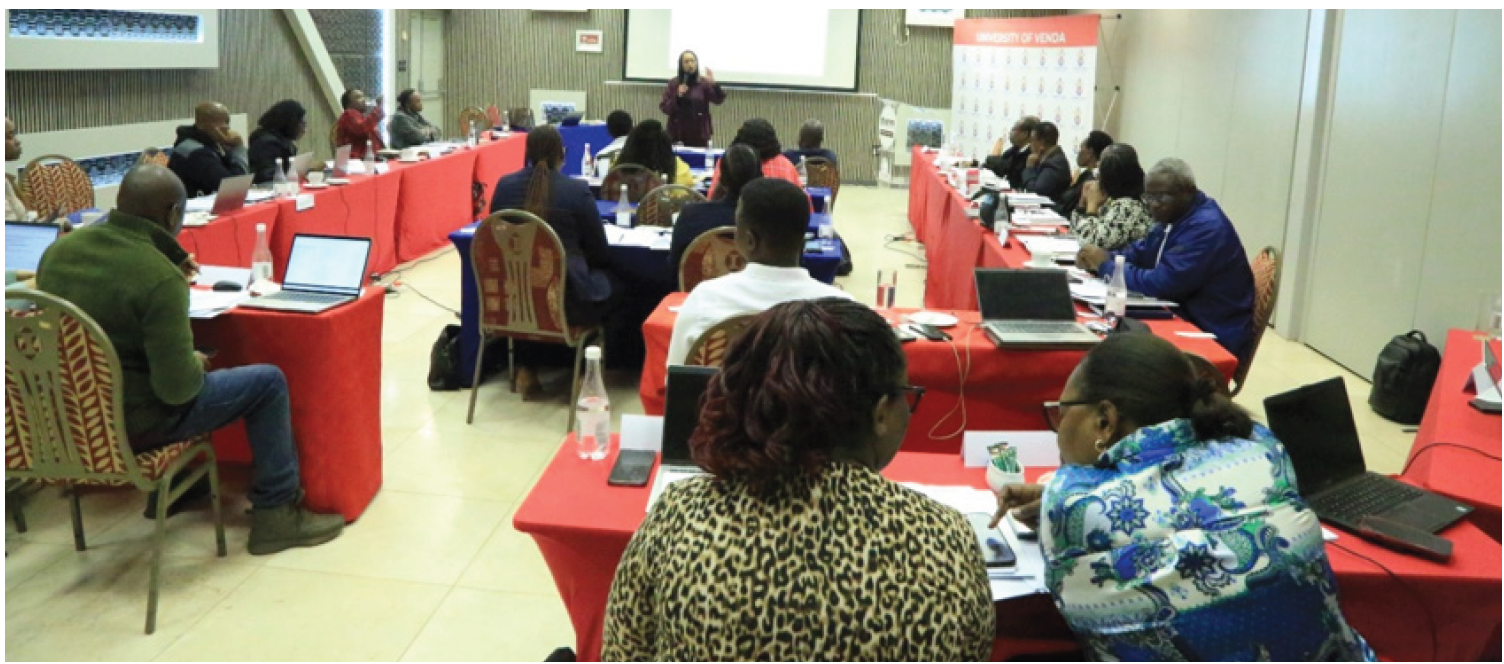
Participants of day one
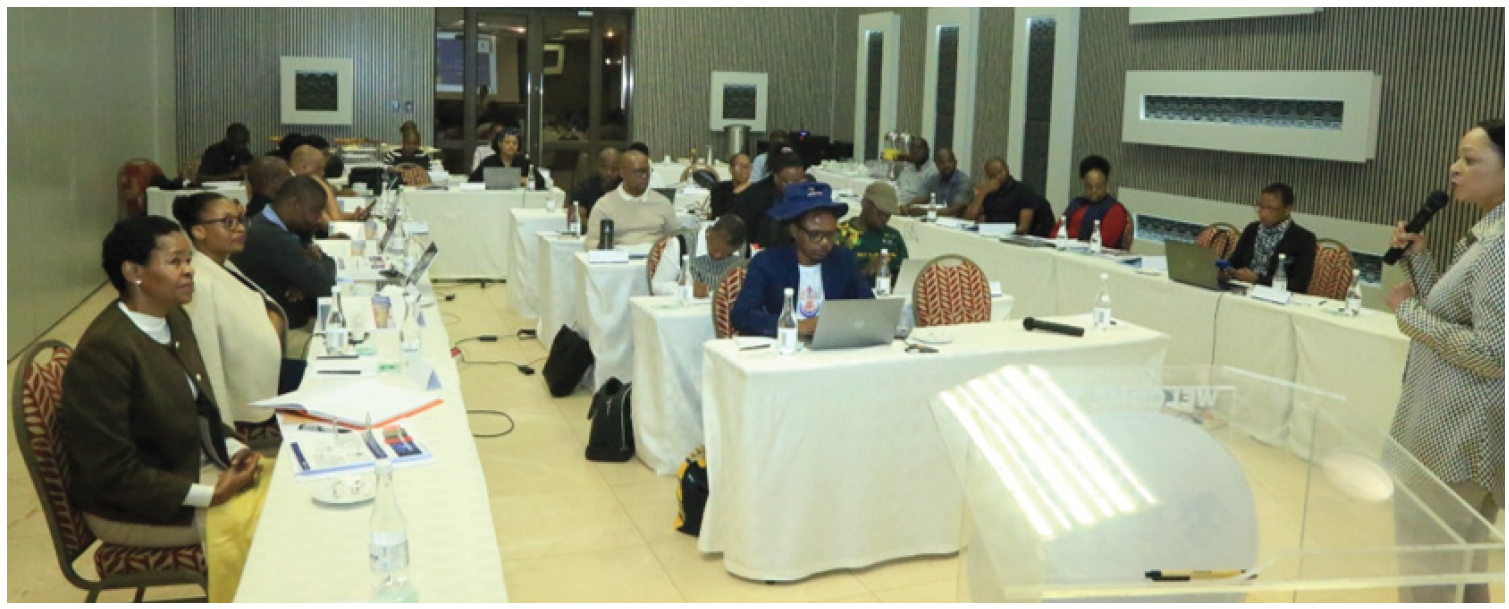
Participants of day two
Issued by:
Department of Marketing, Branding and Communication
University of Venda
Tel: 082 868 2218 / 082 868 1811


