
The University of Venda’s Department of Youth in Development in the Faculty of Humanities, Social Sciences, and Education hosted a thought-provoking public lecture that challenged students, academics, and community members to rethink the role of education, leadership, and nation-building in contemporary South Africa. Held at the university’s E-Block under the theme “Nation Formation, Nation Management, and National Interest Articulation as the Strategic Mandate of South African Youth, 50 Years After 1976: Lessons from John Henrik Clarke, Amos Wilson, and Kwame Ture” the lecture was delivered by a renowned scholar, policy strategist, and youth development advocate, Dr Mukovhe Masutha, Head of Research, Strategy and Advisory at the Centre for Emerging Researchers (CER) and Special Advisor to the Minister in the Ministry of Women, Youth and Persons with Disabilities. The event formed part of the university’s broader Youth Month programme and sought to commemorate the spirit of the 1976 generation while encouraging young people to become active participants in shaping South Africa’s future.
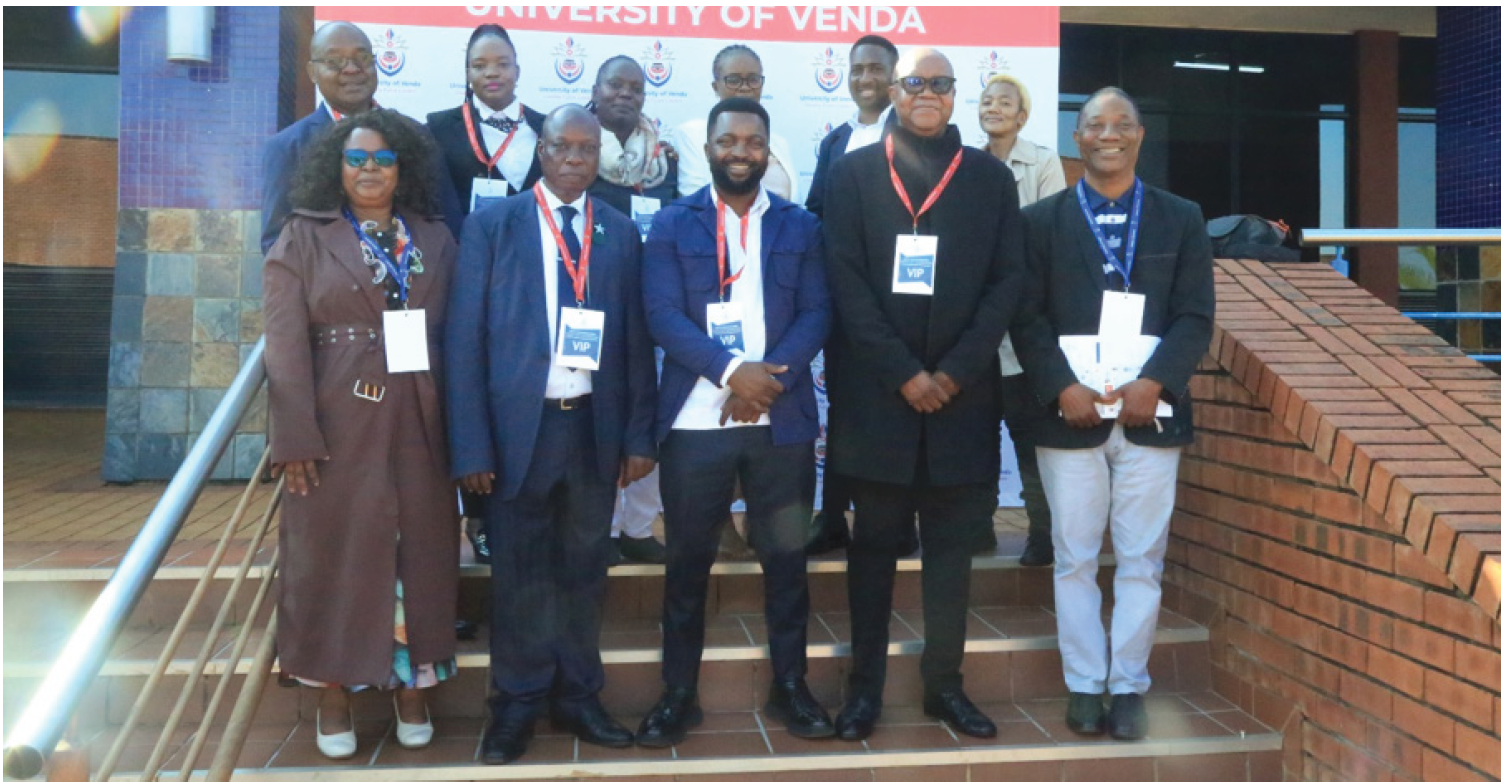
Dignitaries of the public lecture
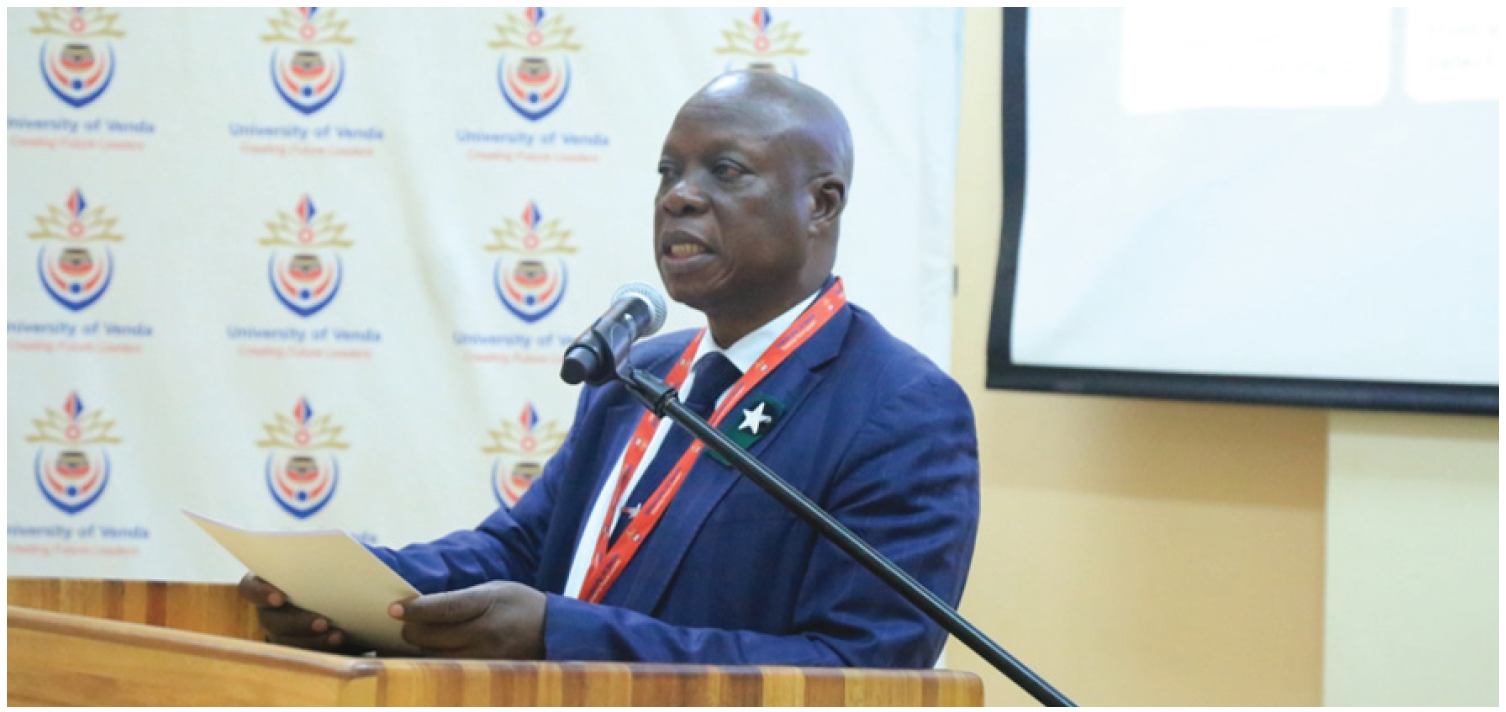
Dr Mafemani Baloyi, Faculty Manager, Faculty of Humanities, Social Sciences and Education
In his opening and welcoming remarks, Dr Baloyi warmly welcomed students, staff, guests, and stakeholders to the University of Venda’s Youth Month public lecture. He highlighted the significance of the gathering as an opportunity to honour the legacy of the 1976 generation. He also encouraged contemporary youth to reflect critically on their role in shaping South Africa’s future. Dr Baloyi emphasised the importance of dialogue, learning, and active participation in addressing the social, economic, and educational challenges facing society. He further acknowledged the contributions of the university leadership, organisers, partners, and participants whose collective efforts made the event possible, and expressed confidence that the lecture would inspire meaningful engagement, critical thinking, and a renewed commitment to social transformation and nation-building among young people.
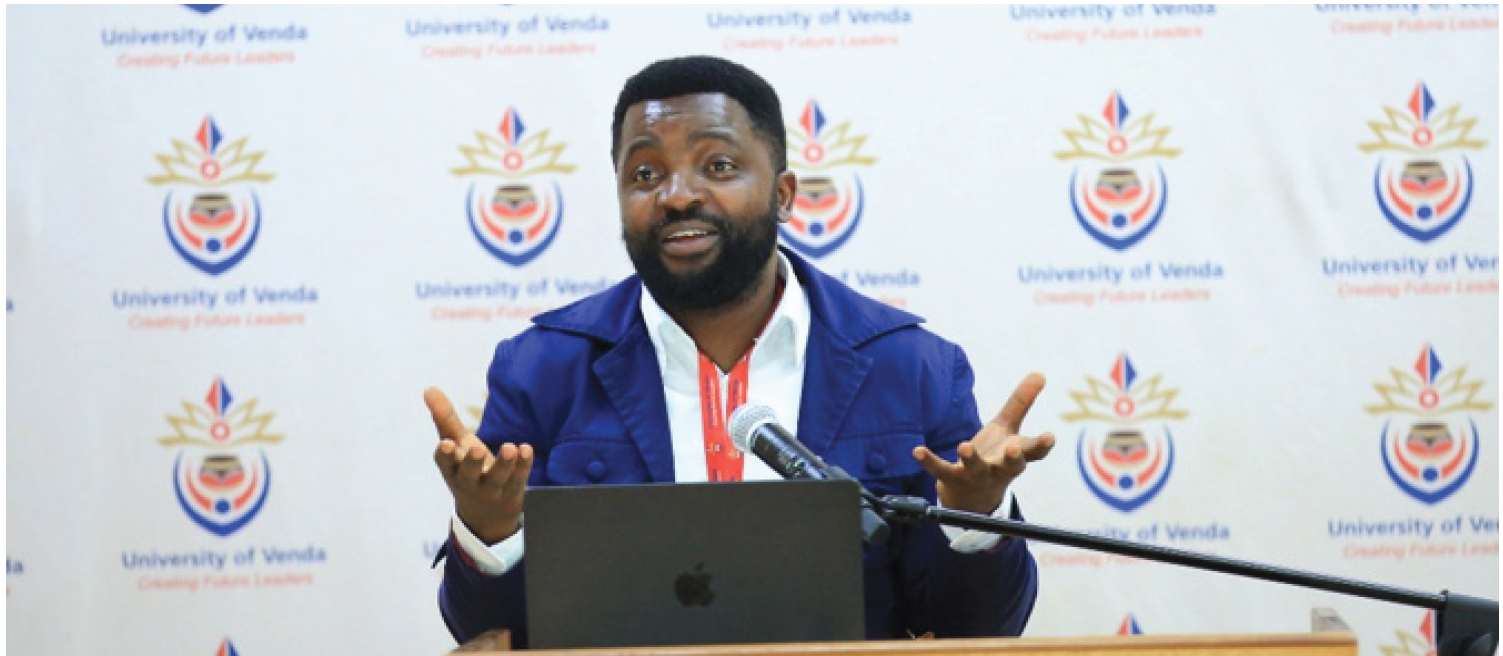
Dr Mukovhe Masutha, Head of Research, Strategy and Advisory at the Centre for Emerging Researchers and Special Advisor to the Minister in the Ministry of Women, Youth, and Persons with Disabilities
In his keynote address, Dr Masutha challenged conventional views of education, arguing that contemporary education systems largely prepare young people to become workers rather than leaders, innovators, and owners of productive resources. Drawing on the work of Dr Amos Wilson, he maintained that education in many post-colonial societies continues to serve existing economic structures instead of empowering people to transform them. He argued that measuring educational success primarily through graduate employability overlooks critical questions of ownership, control, and the distribution of economic power. According to Masutha, education should be assessed by its ability to secure societal survival, address community challenges, and advance national interests, with universities producing graduates capable of managing and controlling strategic sectors of the economy rather than merely supplying labour to multinational corporations.
He further emphasised the importance of economic sovereignty, arguing that although South Africa possesses abundant natural resources, much of this wealth does not adequately benefit ordinary citizens. Meaningful development, he argued, depends on greater national control over wealth-producing assets and ensuring that resources are used to improve the lives of local communities. Economic policies should prioritise dignity, basic security, and survival before focusing solely on profit generation, while young people should engage critically with issues of ownership, governance, and national development.
Dr Masutha also addressed migration, inequality, African identity, and the role of higher education institutions in shaping society. He argued that migrants are often used as scapegoats to divert attention from deeper structural economic challenges created by neoliberal economic policies, which have concentrated wealth among a small elite while increasing social divisions. While supporting effective border management and proper documentation, he cautioned against blaming migrants for poverty and unemployment. Referencing African civilisations such as Mapungubwe and Great Zimbabwe, he challenged the perception that Africa was historically dependent on external intervention, emphasising that African societies possessed sophisticated systems of governance, trade, and education long before colonialism. He called for the restoration of African confidence, dignity, and collective purpose through recognition of African knowledge systems and intellectual traditions.
Reflecting on universities, Masutha argued that higher education institutions continue to operate within neoliberal frameworks that prioritise rankings and market-oriented outcomes over social transformation. He called for curriculum reform, alternative funding models, and stronger community-centred research, arguing that universities should be judged by their contributions to national development, social well-being, and the advancement of public interest rather than international prestige alone.
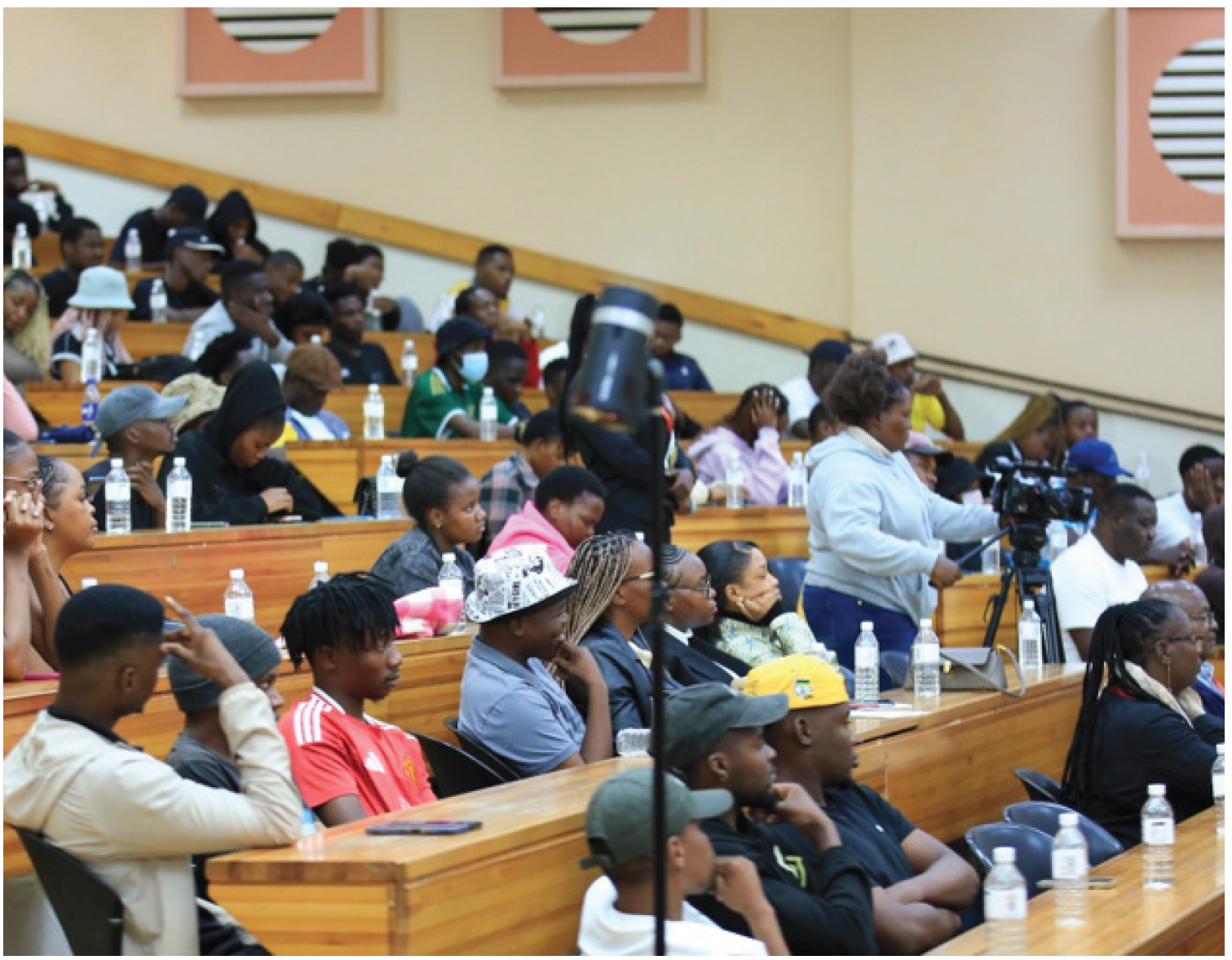
Some of the audience
During the discussion session, participants engaged Dr Masutha on issues relating to curriculum transformation, the role of universities, migration, territorial integrity, African history, and economic sovereignty. Responding to these contributions, Dr Masutha argued that while effective migration management and border control are necessary, migrants should not be blamed for deeper structural inequalities created by neoliberal economic systems. He emphasised the importance of reclaiming African history, identity, and confidence by recognising the achievements of pre-colonial African civilisations and institutions. He further called for universities to move beyond market-driven approaches and become agents of social transformation by producing graduates capable of critical thinking, advancing national interests, and contributing to economic development and nation-building. He concluded by encouraging students to evaluate dominant narratives critically, distinguish between facts and political scapegoating, and actively participate in shaping Africa’s future.
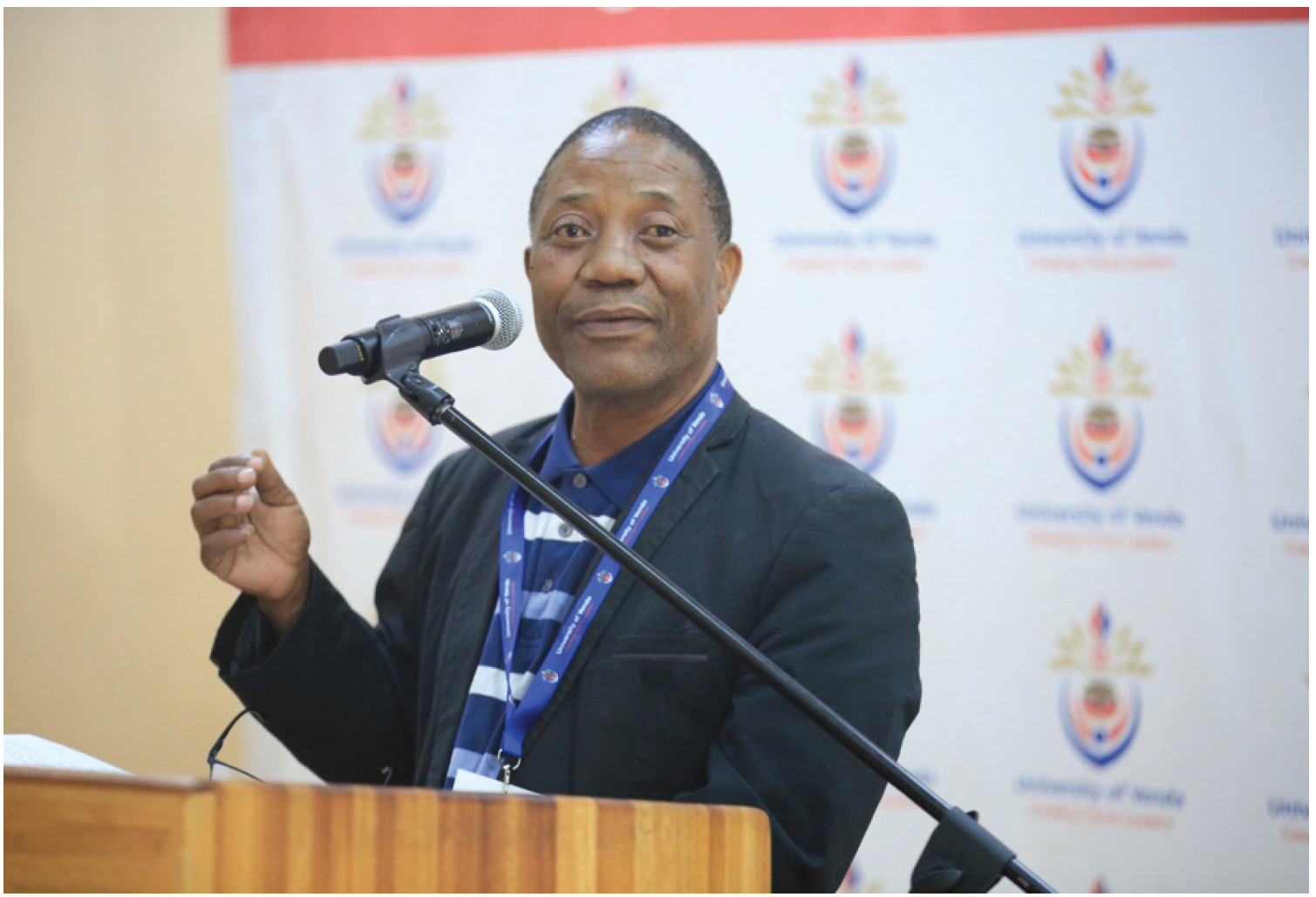
Professor Tsoaledi Thobejane, Youth in Development, Gender Studies Unit Coordinator
As the programme concluded, Professor Thobejane delivered the vote of thanks, calling upon students to embrace what he termed the “Spirit of 2026,” as previous generations had embodied the spirit of 1976. He encouraged young people to become agents of change who actively engage with the social, political, and economic realities of their time.
Professor Thobejane thanked the organisers, university leadership, student volunteers, and all participants for their contributions to the event’s success. He noted that many of the issues raised by Dr Masutha would continue to shape classroom discussions, research agendas, and future engagements at the university.
The lecture ultimately served as more than a commemoration of Youth Month. It became a platform for critical reflection on education, sovereignty, economic justice, and the role of young people in shaping Africa’s future. Through robust debate and intellectual engagement, participants were challenged to reconsider what education should achieve and how universities can contribute to building a more equitable, sovereign, and self-determined society.
Issued by:
Department of Marketing, Branding and Communication University of Venda
Tel: 082 868 2218 / 082 868 1811


