
Thohoyandou — Scholars from across the globe gathered on 21 April 2026 for a landmark hybrid conference revisiting the enduring legacy of the 1955 Bandung Conference, reframing it as both a historical milestone and a living blueprint for Global South solidarity in a rapidly shifting world order.
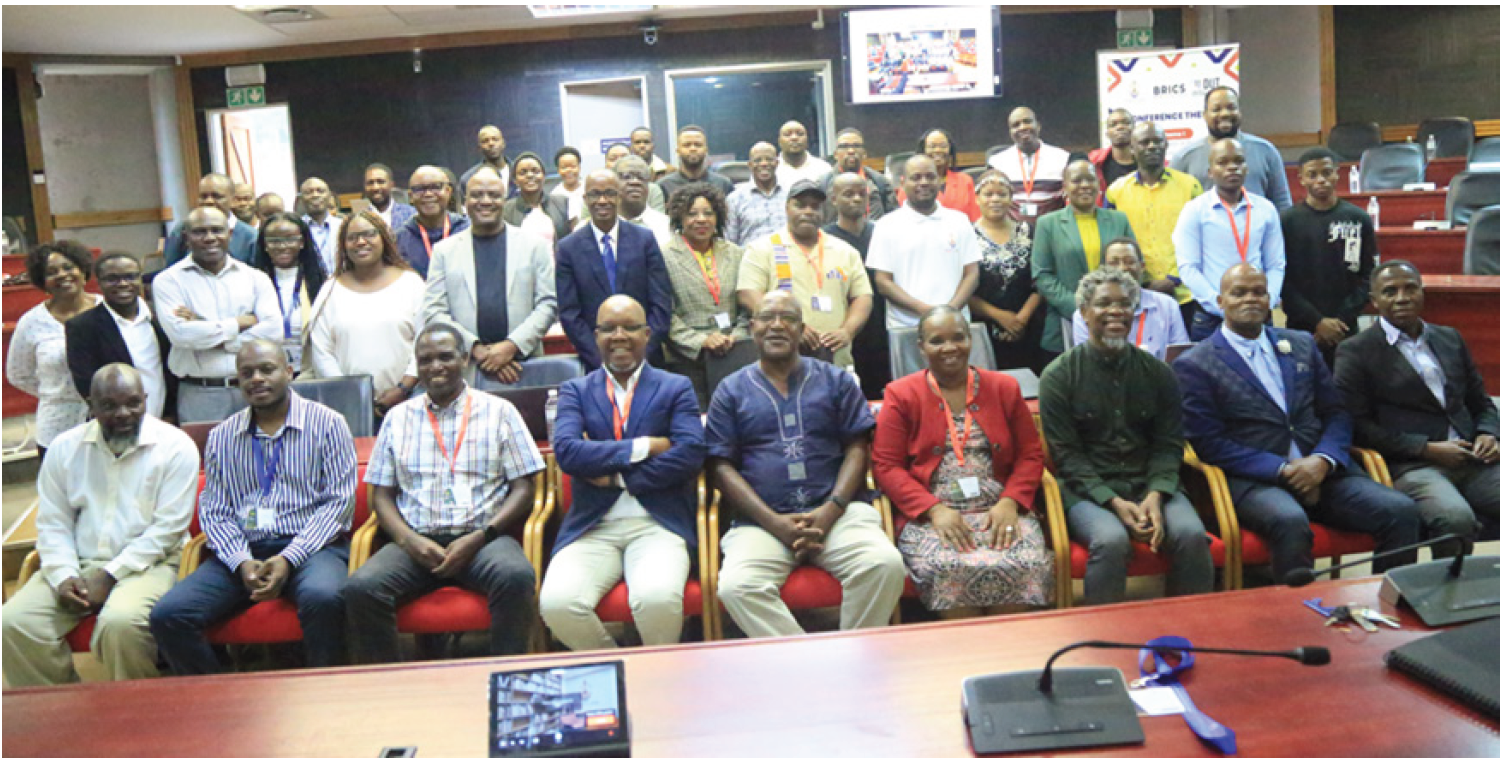
Group photo of some of the speakers and delegates who attended the conference in person
Hosted by the University of Venda in collaboration with BRICS Research Institute , the conference titled “The Spirit of Bandung at 71: African Liberation and Anti-Colonial Solidarities in Contemporary Perspective” brought together Sixty six (66) participants from eight (8) African countries including Nigeria, Ghana, Mali, Camerron, Kenya Zimbabwe, Lesotho and South Africa, Three (3) Asian countries including Indonesia, India and China, as well as Brazil, Turkey, Italy and Canada to interrogate the past, present and future of anti-colonial struggle, development, and global justice. Ten (10) of these participants presented in-person while fifty six (56) presented virtually.
Among the distinguished guest were Prof. Mpho Ngoepe, Vice-Principal (VP) for Research, Postgraduate Studies, Innovation and Commercialisation at the University of South Africa, Prof. Stanley Liphadzi, group executive for Research, Development and Innovation at Water Research Commission, Prof. Kedibone Phago, Dean of the Faculty of Economics, Development and Business Sciences at University of Mpumalanga. Prof. Darwis Khudori, an Emeritus professor at the university of Université Le Havre Normandie in France who also delivered a keynote address virtually as well as Prof Siphamandla Zondi, Director of the Institute for Pan African Thought and Conversation in University of Johannesburg who delivered the second keynote address.
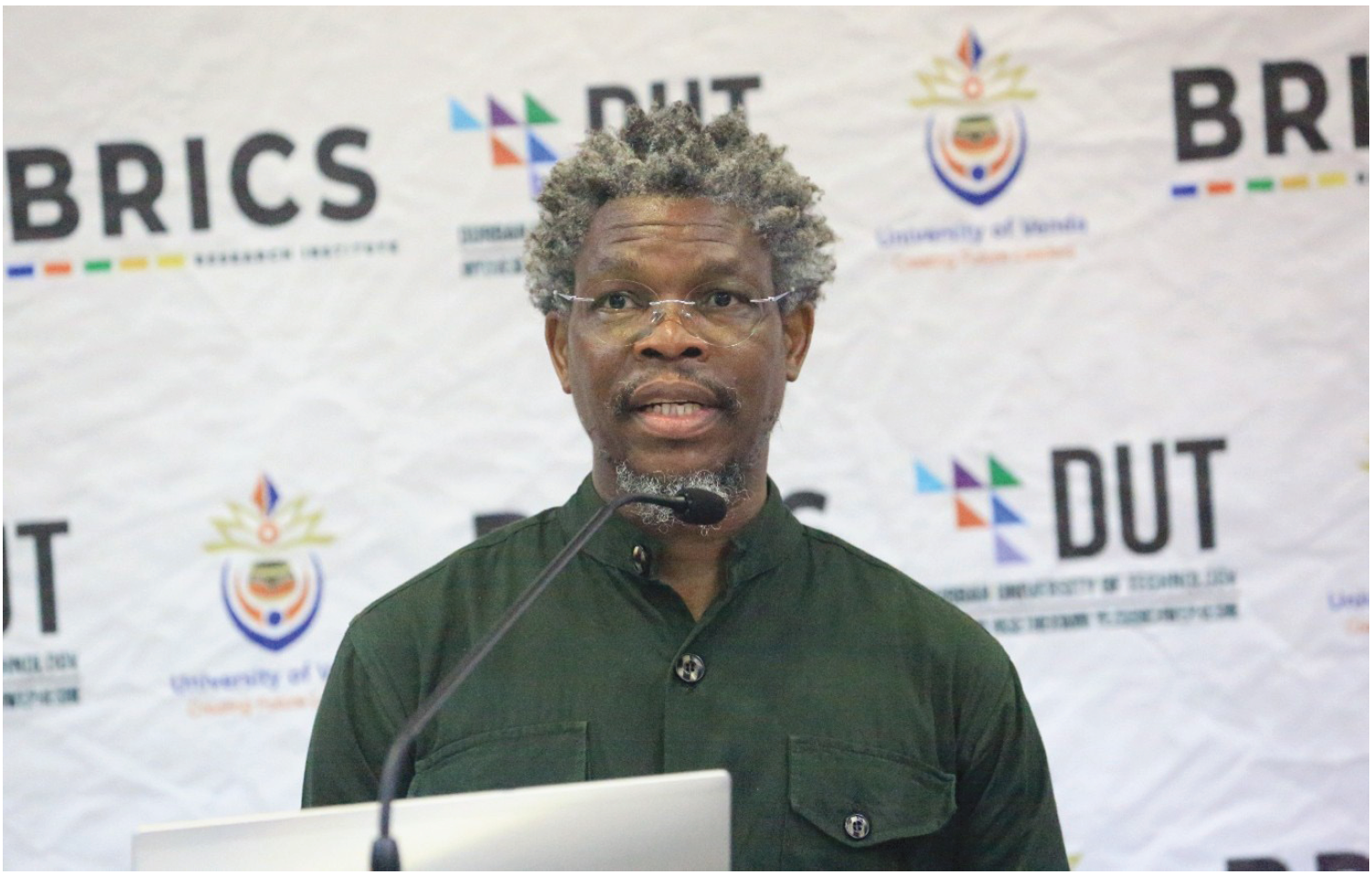
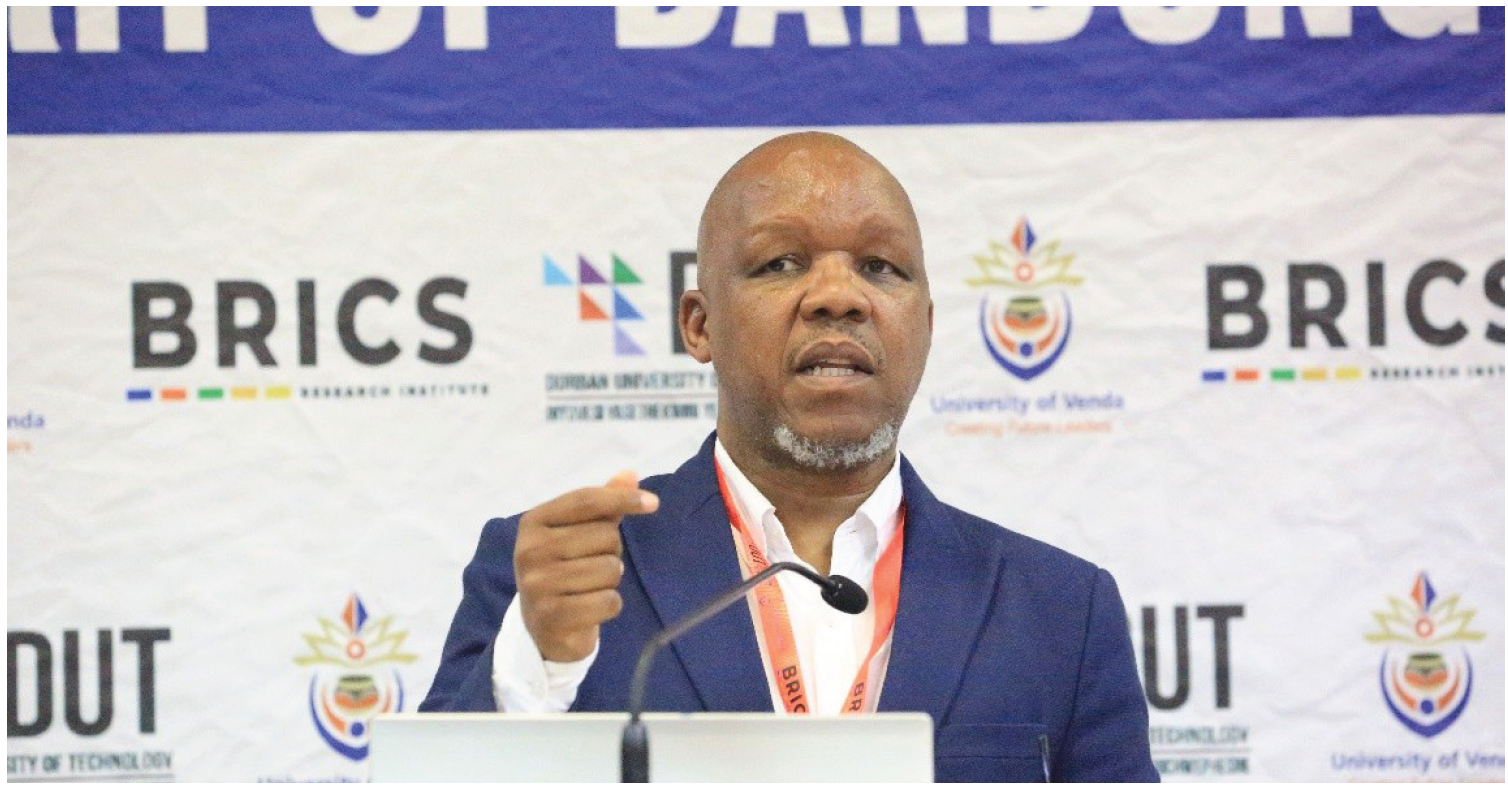
Prof Fulufhelo Netswera
Opening the conference, Prof Fulufhelo Netswera, Deputy Vice Chancellor Research and Postgraduate Studies, University of Venda (UNIVEN), set a reflective yet urgent tone, calling for a deeper reckoning with Africa’s historical experiences of enslavement and colonialism. He challenged scholars to reclaim African narratives through rigorous research and creative expression, positioning knowledge production as a key site of liberation.
Prof Netswera emphasised that the spirit of Bandung is not confined to the past but must inform contemporary struggles across Africa and Palestine, anchored in unity, solidarity, and inclusive development.
The keynote addresses at the Bandung conference hosted by the University of Venda delivered a sharp, dual-lens interrogation of past and present global power, anchored in the legacy of the Bandung Conference and its relevance today.
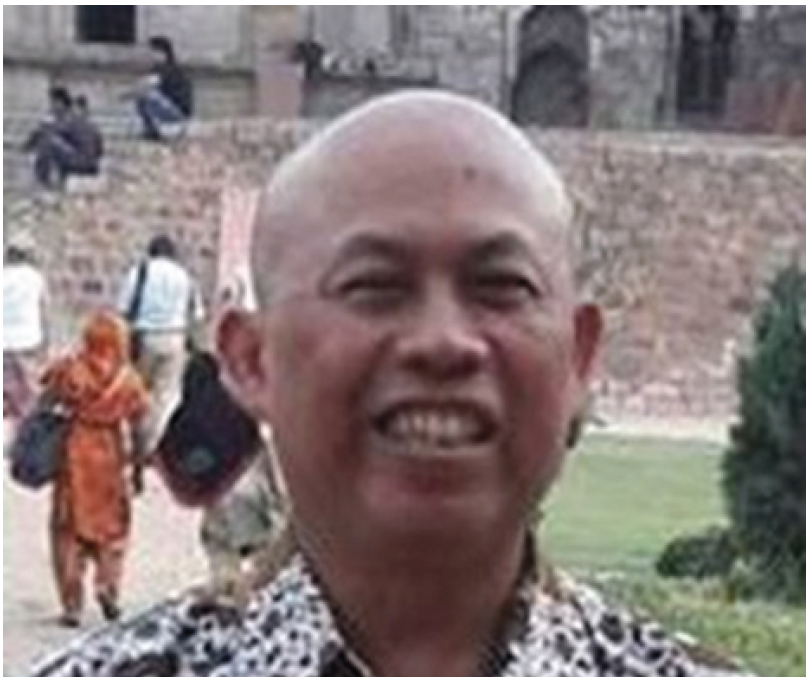
Emeritus Professor Darwis Khudori from the Université Le Havre Normandie, France, traced Bandung’s historical weight as a defining rupture in global power relations, where newly independent Asian and African states asserted sovereignty outside Western dominance and catalysed the Non-Aligned Movement. He framed this moment within the long arc of capitalism, its rise, expansion, and crisis, arguing that Bandung symbolised a collective pushback against centuries of economic and political subordination. Anchored by ten principles and the enduring “Bandung Spirit” of solidarity, equality, and emancipation, the movement inspired global resistance to imperialism and apartheid, even as its momentum later waned under shifting geopolitics and renewed Western hegemony.
Prof Khudori warned that today’s global order remains tightly controlled by dominant economic powers, with emerging economies, particularly in Asia, risking replicating the same extractive, consumer-driven models they once resisted. He contrasted a hegemonic “Western Galaxy” with a cooperative “Bandung Constellation,” posing a stark choice between conflict and collaborative transformation. His call was unequivocal: revive the Bandung Spirit through Africa-Asia solidarity and reimagine development pathways that are just, inclusive, and sustainable.
Prof Siphamandla Zondi
Bringing the discussion into the present, the Director of the Institute for Pan-African Thought and Conversation – University of Johannesburg and Acting Co-Director of the Institute for Global African Affairs – University of Johannesburg and University of the West Indies, Barbados, Professor Siphamandla Zondi positioned BRICS as a contemporary vehicle for that unfinished Bandung project. He highlighted the bloc’s growing geopolitical and economic weight, spanning a significant share of the global population and GDP, and its evolution into a platform advocating systemic reform in global governance. Emerging from the fractures exposed by the 2009 financial crisis, the BRICS has matured into a voice for multipolarity, challenging the dominance of Western-led institutions like the G7 while complementing platforms such as the NAM and the G77.
Prof Zondi drew attention to BRICS’ hybrid strategy, combining development finance, institutional reform, and coordinated global engagement while acknowledging internal tensions, geopolitical rivalries, and uneven global perceptions. With ongoing expansion across Africa, Asia, the Middle East, and Latin America, the bloc is amplifying its influence and advancing alternatives in finance and trade architecture.
Ultimately, he cast BRICS as a bridge-builder of the Global South: imperfect but pivotal in reshaping global power toward a more balanced, inclusive, and cooperative world order, echoing Bandung’s original vision, but adapted to a far more complex geopolitical landscape.
The conference programme reflected a rich tapestry of interdisciplinary engagement, structured around the following key subthemes: African Participation and Historical Agency; Liberation Struggles and Transnational Solidarity; Pan-Africanism and Non-Alignment; Neo-Colonial Political Economy; South-South Cooperation and Multipolarity; Decolonising Knowledge Production; Contemporary Global Challenges and the Afterlives of Bandung.
More than a commemorative event, the conference positioned Bandung as an active framework for confronting 21st-century challenges. Across panels and keynote addresses, a common thread emerged: the Global South is no longer a passive participant in global affairs but an increasingly organised and assertive force.
As presentations continue around sovereignty, justice, and sustainability, the message from the conference was clear: Bandung is not just history. It is a call to action. In addition to research paper presentation, the conference had called for submission of poems aligned with the conference theme which were peer-reviewed and 18 of which were accepted and included into the Bandung Commemorative Poetry Volume and the selected best poem titled, “We Refuse the Silence” was recited by Mr. Kingdom M Moshounyane during the conference opening ceremony.
Prof Fulufhelo Netswera’s closing remarks highlighted the conference as a resounding success that brought forward critical reflections on post-COVID-19 challenges, global power dynamics, and the role of multilateral platforms such as BRICS in advancing the interests of the Global South. He emphasised the importance of preserving the rich scholarly contributions through publications to ensure their long-term impact.
Importantly, he called for continued collective action and advocacy for meaningful transformation, urging societies to confront neo-colonial constraints, reclaim economic and resource ownership, and pursue self-sufficiency. He concluded by encouraging ongoing dialogue and collaboration across platforms to sustain the struggle for equality, development, and genuine global equity.
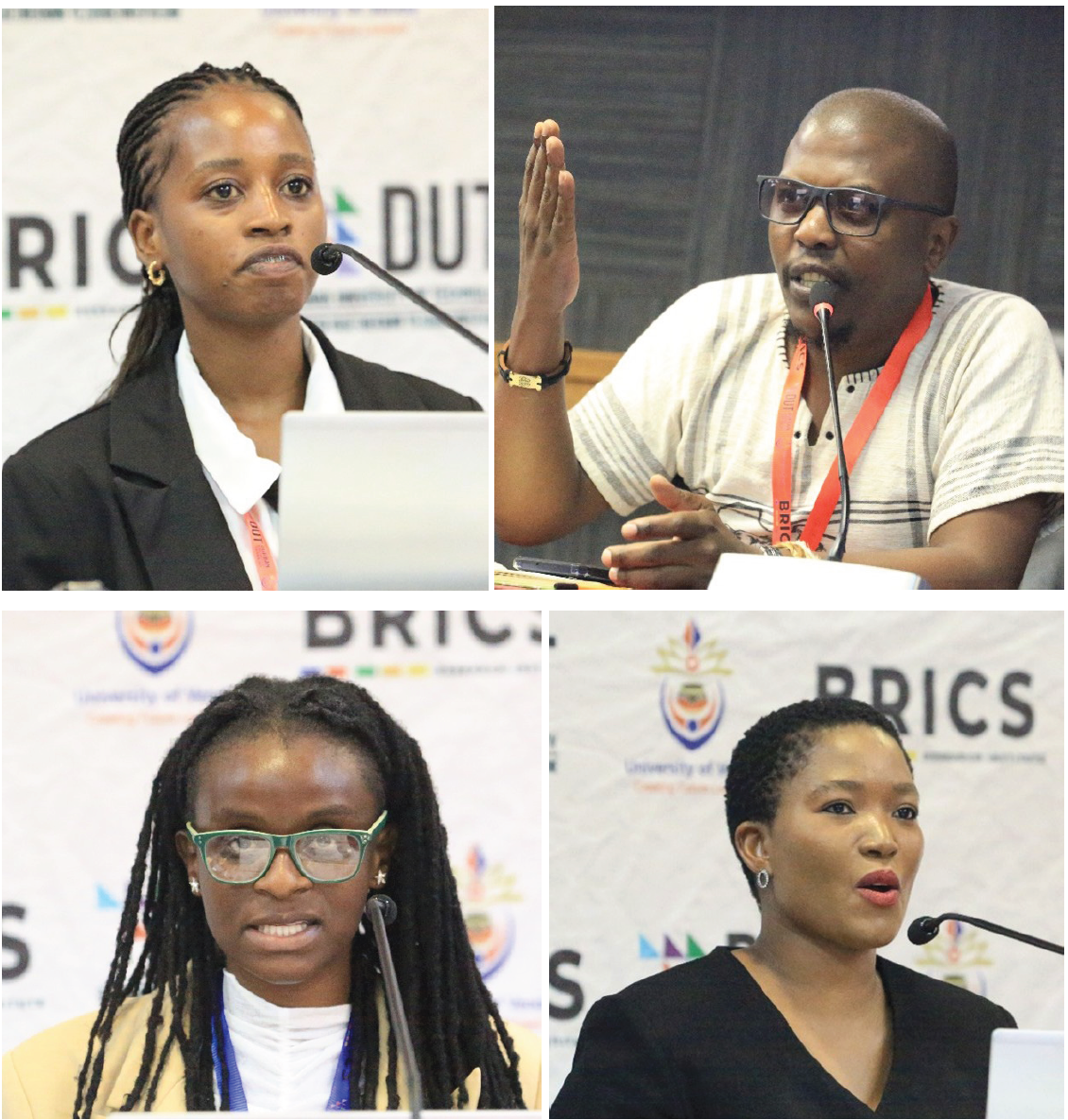
Pictures Above: Some of the presenters, Chair of sessions and delegates:
Issued by:
Department of Marketing, Branding and Communication University of Venda
Tel: 082 868 2218 / 082 868 1811


