

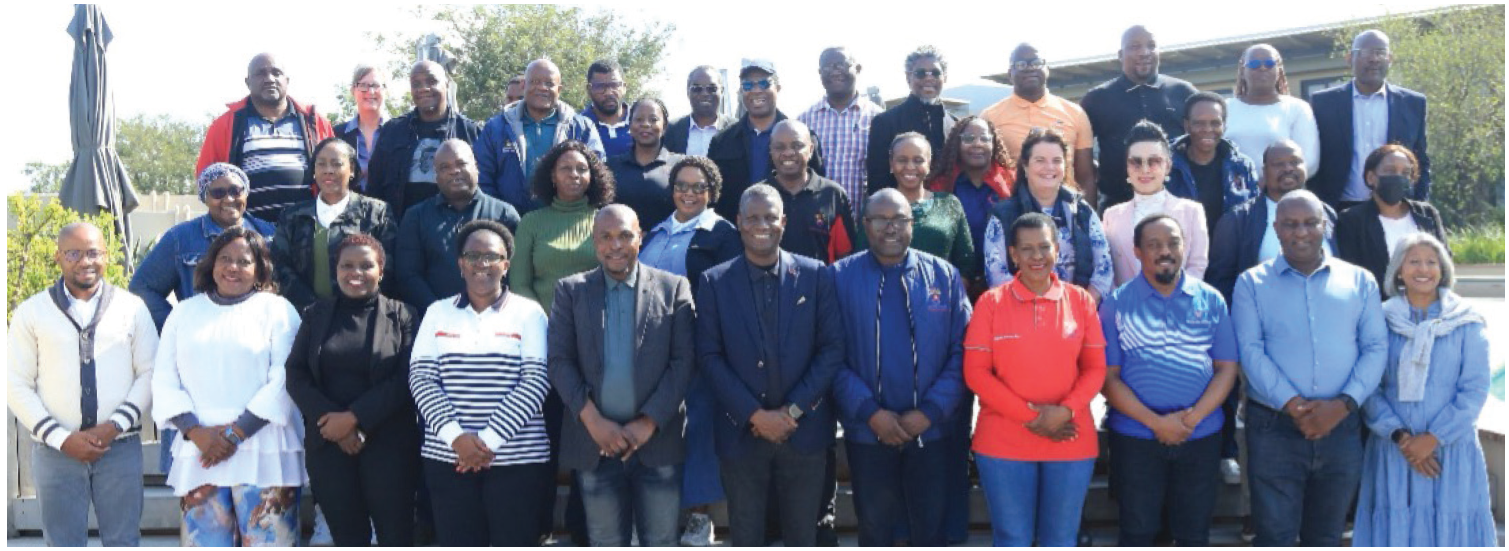
In the picture: Executive and Senior Management Committees, as well as Resource
The University of Venda (UNIVEN) has reaffi rmed its commitment to becoming a data-driven, impact-oriented institution following a two-day Strategic Mid-Term Review and Impact Assessment held at the Radisson Safari Hotel in Hoedspruit on 18 and 19 June 2026. Bringing together Executive and Senior Management, as well as invited resource persons, the review served as a critical checkpoint to assess progress against the University’s 2026–2030 Strategic Plan, identify implementation gaps, and strengthen institutional accountability.

Opening the session on behalf of the Vice-Chancellor and Principal, Chief Operating Offi cer (COO), Mr Botwe Kraziya described the review as an opportunity for honest refl ection and decisive action. While UNIVEN has recorded notable achievements in research excellence, partnerships, entrepreneurship, teaching and learning, and institutional development, he noted that only 42% of fi rst-quarter targets had been achieved, underscoring the need for accelerated implementation, stronger coordination, and improved execution across the institution. He further challenged leaders to move beyond strategy formulation towards measurable implementation and impact.
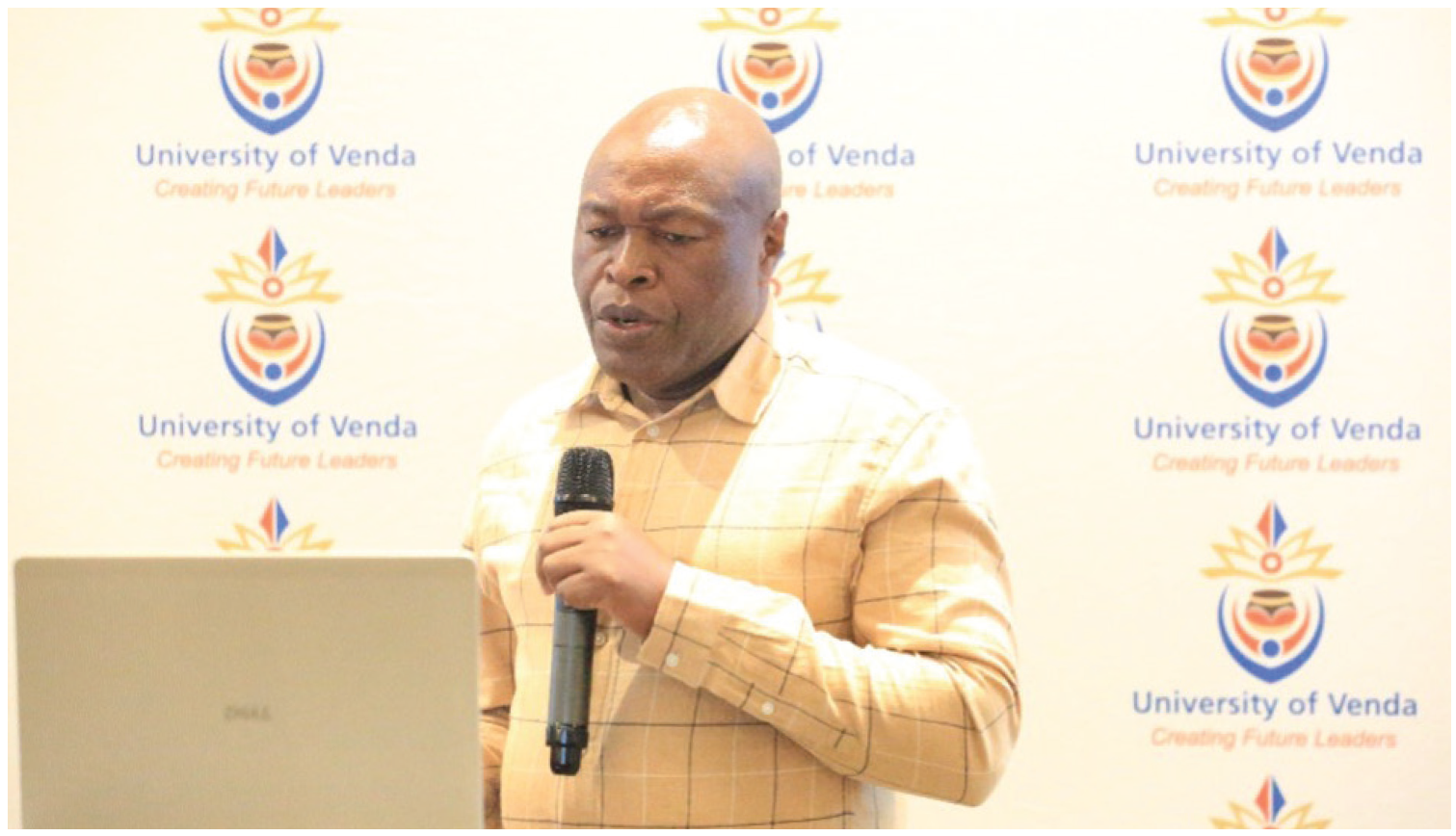
A recurring theme throughout the review was UNIVEN’s deliberate transition towards evidence-based planning and decision-making. Presenting an overview of institutional strategy implementation and policy alignment, Director of Strategy and Risk, Dr Mutshinyalo Ratombo, highlighted the University’s impressive performance against its previous strategic plan, achieving an overall 86% performance against 2025 targets. He outlined the institution’s strategic direction for 2026–2030 and introduced measures to strengthen accountability, governance, risk management, and institutional performance through an integrated performance management framework. The presentation also highlighted emerging risks, including artifi cial intelligence governance, climate change, and fi nancial sustainability.
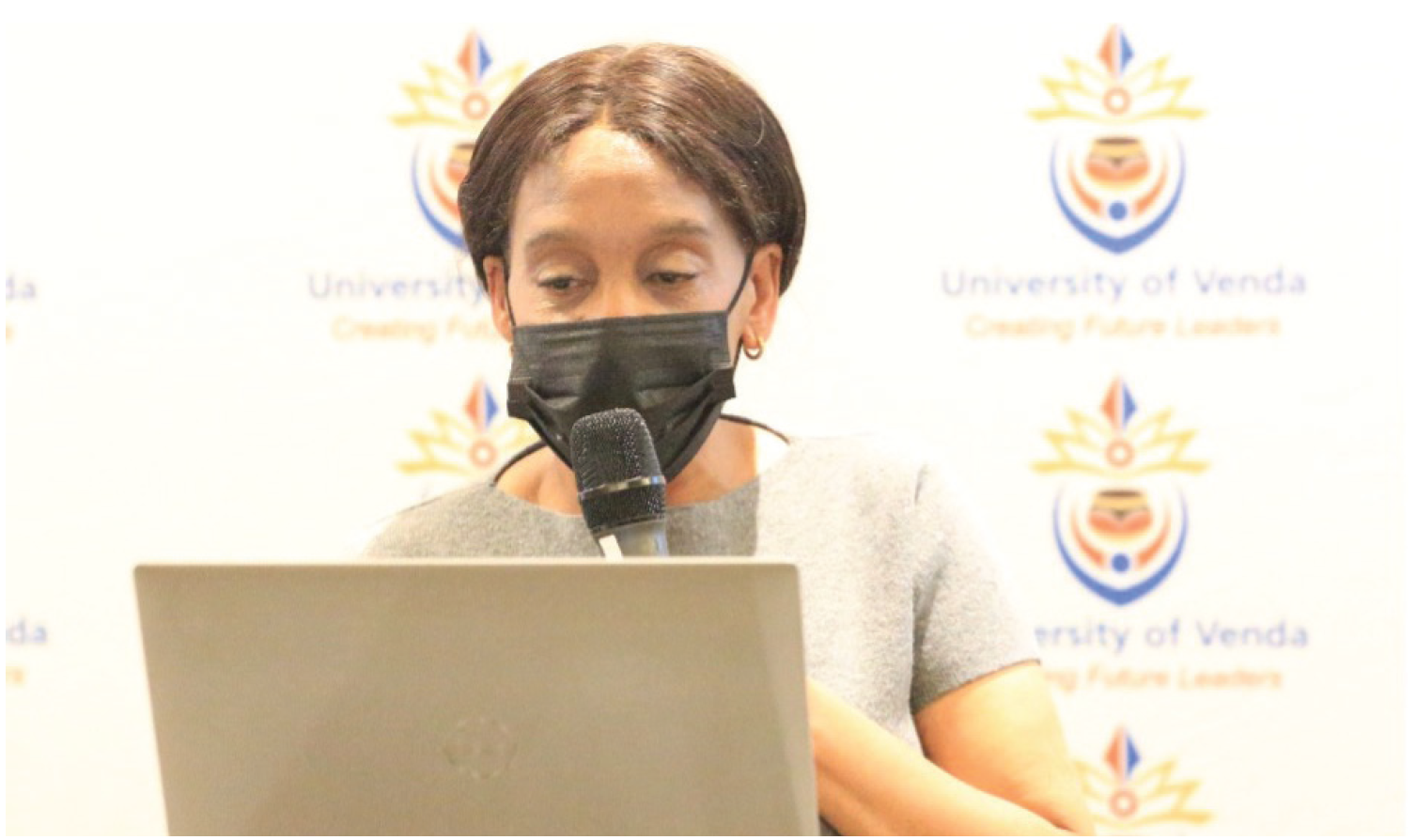
Providing an institutional performance perspective, Director of Institutional Research and Planning, Dr Sannah Mativandlela, presented the mid-year review of the 2026 Divisional Operational Plans (DOPs). She reported encouraging progress across the institution, with 83% of divisional plans approved and several divisions achieving 100% of their fi rst-quarter targets. Her presentation emphasised the need for stronger planning capabilities, improved data quality, enhanced monitoring systems, and the use of technology-driven reporting tools to improve institutional execution and accountability.

On behalf of the University’s four faculties, Executive Dean of the Faculty of Science, Engineering and Agriculture, Prof Natasha Potgieter, presented progress made by the Executive Deans within the four faculties in advancing the 2026–2030 Strategic Plan. The presentation highlighted achievements in curriculum transformation, academic quality assurance, student support, graduate employability, digital learning, and research productivity. Across the faculties, more than 247 research outputs were produced during the reporting period, while over 856 postgraduate students graduated during the May 2026 graduation cycle, demonstrating growing academic and research excellence.
The University’s shift towards data-driven decision-making was further reinforced during the Teaching and Learning presentation led by Deputy Vice-Chancellor: Teaching and Learning, Prof Sebi Lekalakala-Mokgele, followed by Dr Alice Mkuzangwe, Dr Sannah Mativandlela, Prof Lindiwe Mulaudzi, and Adv Rolien Roos. The team showcased how institutional data is increasingly informing decisions on student success, programme viability, graduate employability, workload distribution, curriculum transformation, and digital learning. The planned development of institutional dashboards and the use of real-time performance data are expected to strengthen evidence-based decision-making and continuous improvement. The division also reported positive trends in student success, graduation rates, throughput, and graduate employability.
Presenting the COO Portfolio performance overview, Mr Botwe Kraziya highlighted significant gains in operational efficiency, organisational redesign, performance management, digital transformation, infrastructure development, and human capital advancement. Key achievements included a cybersecurity performance rate of 97%, employee engagement levels of 91%, and the securing of R22.5 million in SETA funding. The University also recorded 779 media placements valued at R39.2 million and safeguarded R245.71 million in strategic funding through effective grants management.
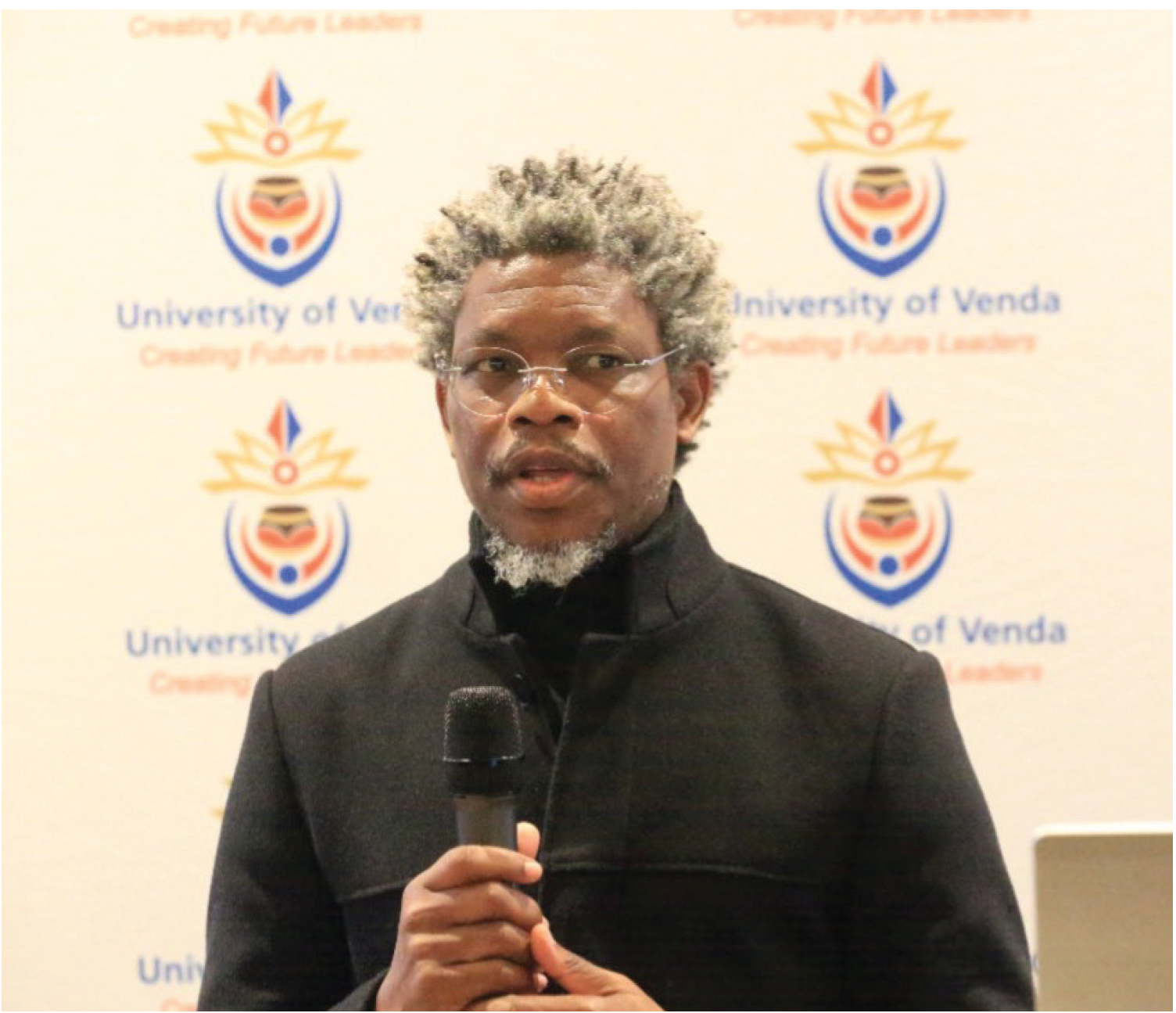
The review further refl ected UNIVEN’s growing stature as a research-intensive institution through the presentation by Deputy Vice-Chancellor Research and Postgraduate Studies, Prof Fulufhelo Netswera. He reported signifi cant growth in postgraduate enrolment, which has increased by 91% since 2020 to reach 4,174 students. The University secured more than R35 million in external research funding, maintained 46 NRF-rated researchers, and expanded its international footprint through 78 active research partnerships. Research productivity, innovation, postgraduate success, and industry collaboration continue to position UNIVEN as a leading contributor to knowledge generation and societal impact

Chief Financial Offi cer, Mrs Mavis Madzhie presented the University of Venda’s progress towards implementing its Financial Sustainability Strategy, a critical institutional initiative aimed at strengthening long-term fi nancial resilience amid rising operational costs, increasing student debt, infrastructure funding challenges, and continued reliance on government subsidies and NSFAS funding. Although the strategy is still undergoing governance approval processes, implementation has already commenced through initiatives focused on diversifying revenue streams, improving cost effi ciency, optimising infrastructure utilisation, strengthening fi nancial governance, enhancing student success, and growing third-stream income. While revenue growth reached 1% against a target of 3% during the review period, the university has made notable progress through digitisation of processes, preventative maintenance programmes, new income-generating ventures, and plans to establish an endowment fund and optimise investment management. Underpinned by data-driven decision-making, automation, and cross-institutional collaboration, the strategy seeks to create a sustainable cycle of revenue growth, controlled expenditure, reserve accumulation, and reinvestment into strategic priorities, positioning UNIVEN as a more fi nancially sustainable, agile, and future-focused institution capable of achieving its 2026–2030 strategic objectives.
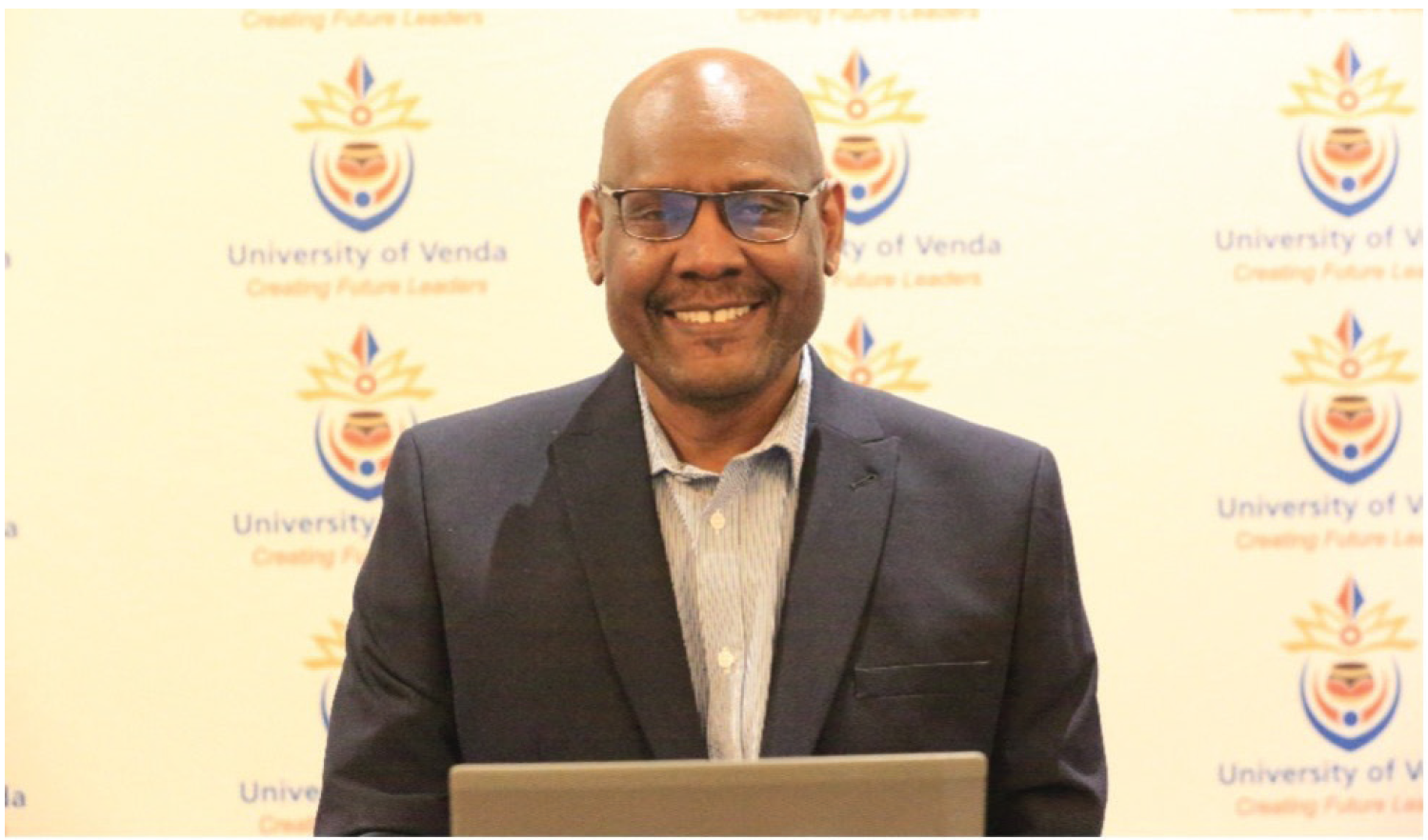
The University Registrar, Dr Joel Baloyi, presented a mid-term review of two strategic priorities within the University’s 2026–2030 Strategic Plan: governance maturity and campus health patient satisfaction. The University has strengthened its governance framework by adopting the King V and ISO 37000 standards, thereby reinforcing ethical leadership, accountability, and stakeholder-centred decision-making. While the 2023 baseline assessment positioned UNIVEN between Emerging and Formalised levels of governance maturity, progress made in 2026, including the adoption of guiding standards and the review of Council committee terms of reference, has laid a durable foundation for achieving the targeted Level 4 (Measured) maturity by 2030. On student well-being, patient satisfaction at the campus health clinic currently stands at approximately 70% against a target of 80%, with a considerable proportion of neutral responses identifi ed as the primary gap. Targeted interventions focused on improving communication, customer service, and patient engagement are expected to convert neutral experiences into positive outcomes and support the achievement of future satisfaction targets. Overall, the review demonstrated steady progress in strengthening institutional governance and student support services, with clear pathways in place to realise the University’s long-term strategic objectives.
Towards the end, the Director Academic Planning and Quality Assurance, Dr Alice Mkuzangwe provided a high-level summary of key discussion points for the two-day session. Dr Mkuzangwe’s recap of the Strategic Mid-Term Review refl ected a university taking stock of its progress through honest, evidence-based refl ection and a growing commitment to data-driven decision-making. While the institution demonstrated impressive performance in areas such as student success, governance, research outputs, digital transformation, and staff engagement, the review also revealed a signifi cant decline in overall target achievement in 2026, highlighting gaps between strategy and execution. Key challenges included underperforming revenue streams, delays in critical processes, concerns about academic performance, and emerging risks associated with digital disruption and artifi cial intelligence. The review concluded that achieving the University’s 2026 strategic goals will require stronger execution, enhanced collaboration, improved performance management, and accelerated implementation of initiatives that drive institutional impact, sustainability, and accountability.
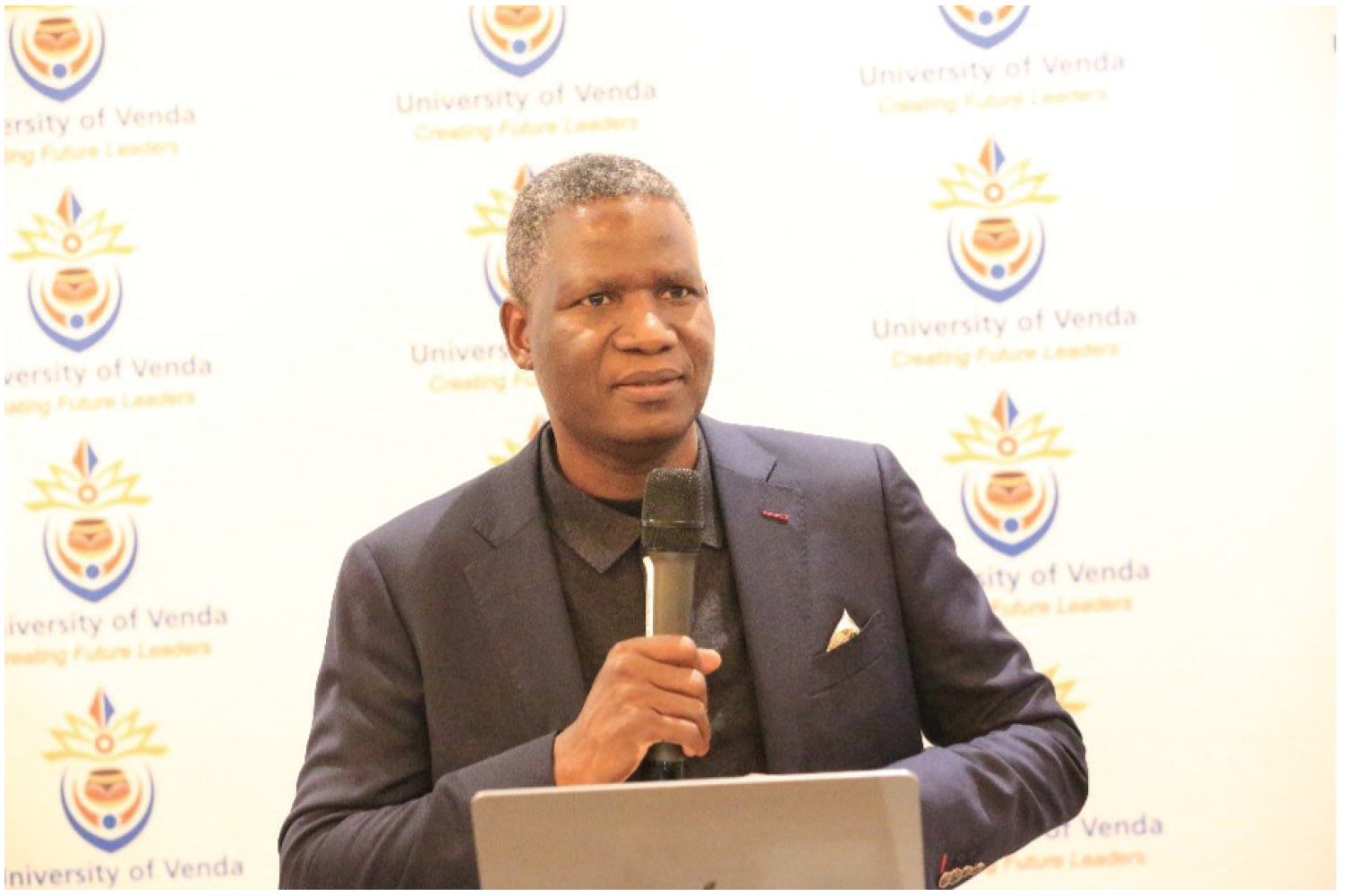
In his closing remarks, Vice-Chancellor and Principal, Prof Bernard Nthambeleni commended all stakeholders for contributing to a successful and impactful Strategic Mid-Term Review, describing the two-day engagement as a candid, productive, and solutions-oriented refl ection on the university’s progress. He emphasised that leadership, accountability, and collective responsibility remain the foundation of successful strategy implementation, stressing that every manager is a custodian of the institution’s strategic objectives. While acknowledging challenges, he highlighted notable achievements in academic excellence, programme expansion, digital transformation, and institutional growth, including progress towards MBA/EMBA accreditation and the development of new academic off erings aligned with national priorities. The Vice-Chancellor underscored the importance of data-driven decision-making, governance, performance management, fi nancial sustainability, and risk mitigation, while calling for stronger support for research, enhanced tracking of postgraduate outputs, and more deliberate measurement of the university’s social impact and contribution to sustainable development. He concluded by urging leaders and managers to translate strategic plans into measurable outcomes, reaffi rming that the university’s future success will depend on collaboration, innovation, evidence-based management, and a shared commitment to delivering institutional excellence.
Collectively, the presentations demonstrated a university that is strengthening its strategic foundations while embracing data as a critical institutional asset. The review concluded with a renewed commitment from leadership to accelerate implementation, strengthen accountability, optimise resources, and harness data-driven insights to improve decision-making. As UNIVEN advances its 2026–2030 Strategic Plan, it is increasingly positioning itself as a responsive, innovative, research-intensive, and evidence-led university focused on delivering measurable impact for its students, communities, and society.
Below are pictures of some of the presenters and facilitators:
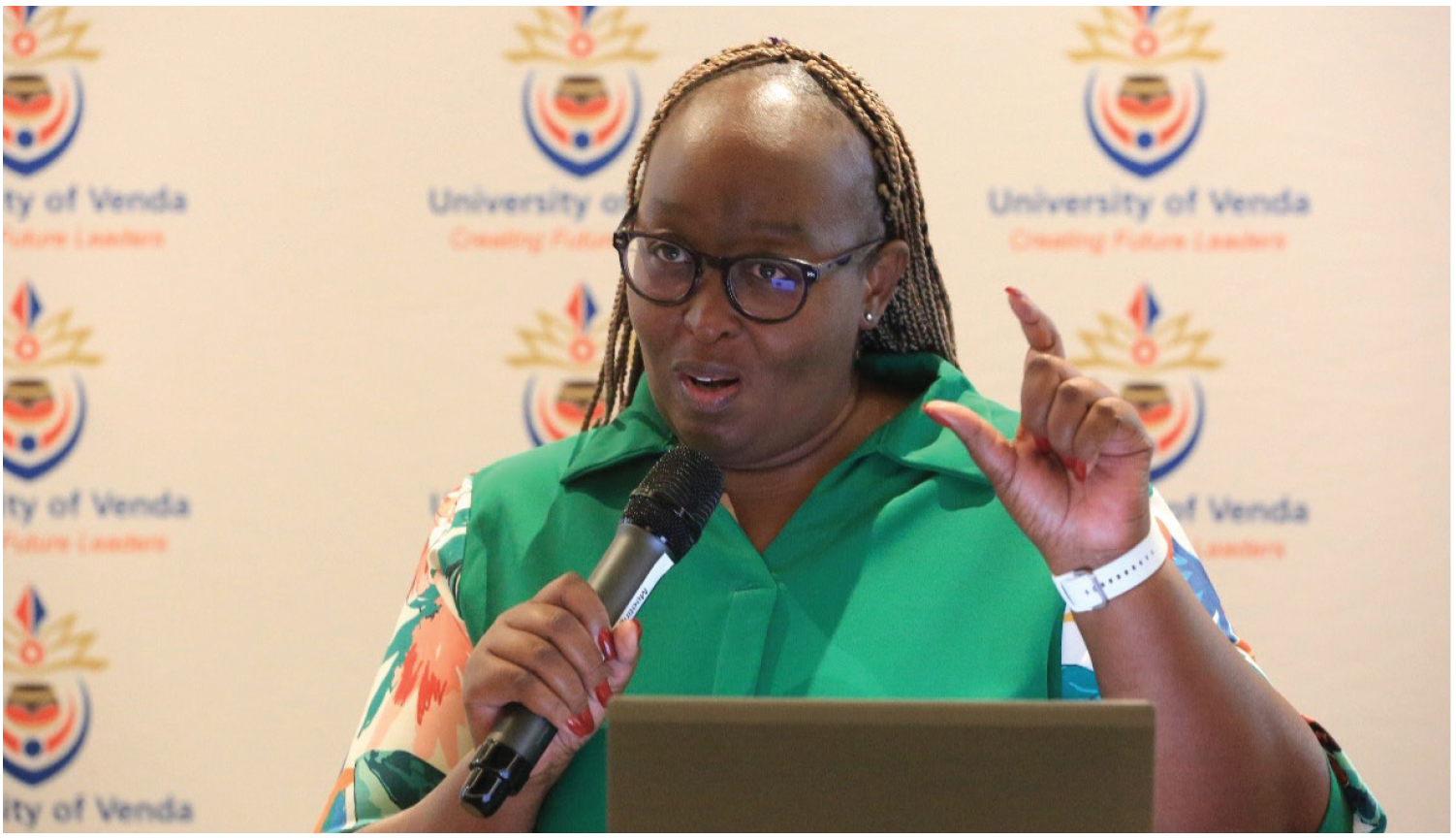
Dr Sannah Mativandlela

L-R: Dr Alice Mkuzangwe and Prof Lindiwe Mulaudzi
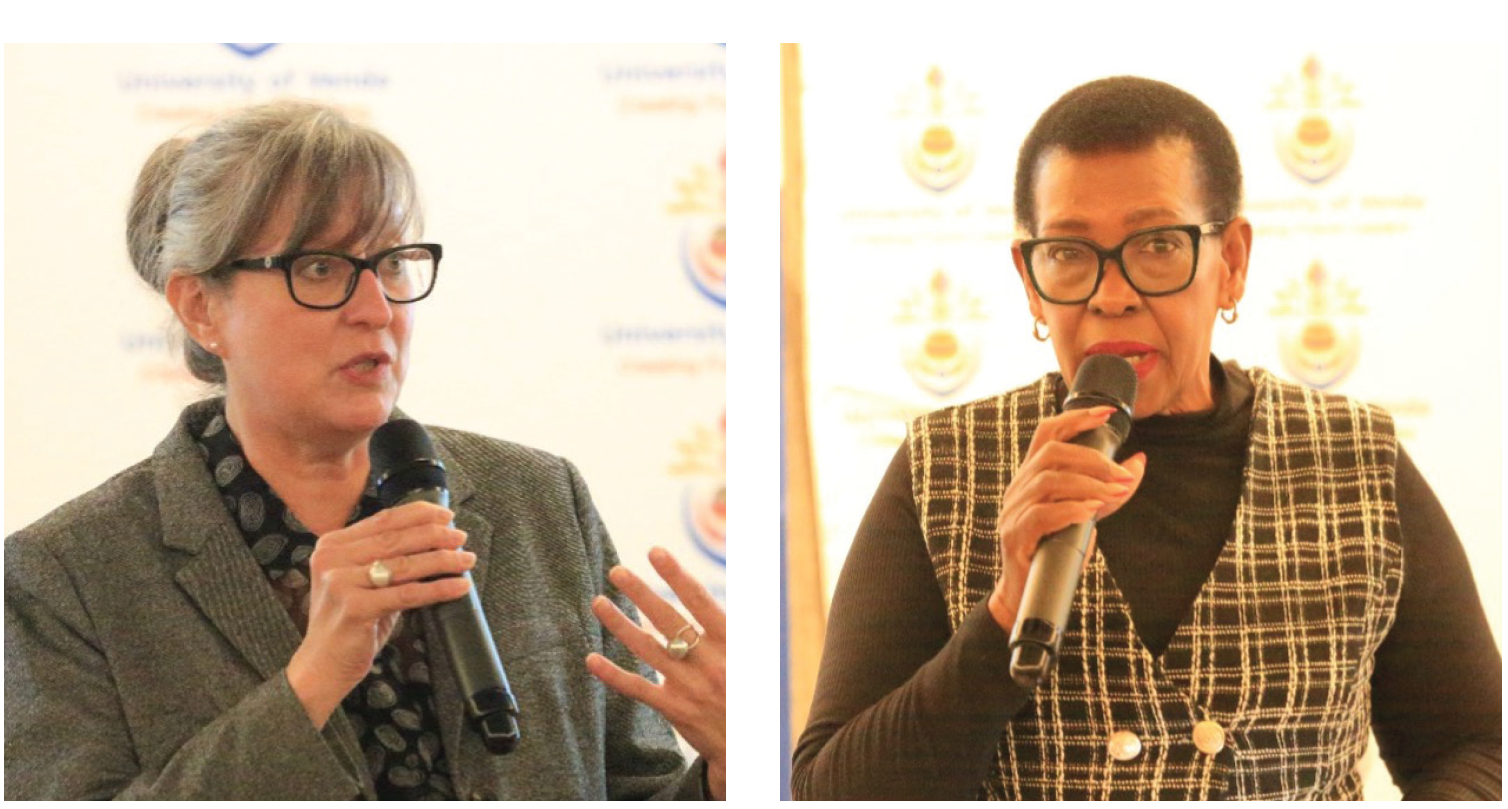
L-R: Adv Rolien Roos and Ms Beauty Mutheiwana
Issued by:
Department of Marketing, Branding and Communication University of Venda
Tel: 082 868 2218 / 082 868 1811


