
On a crisp autumn morning of 22 April 2026, more than just another date on the academic calendar, it became a moment of reflection, renewal, and transformation. At the elegant 2Ten Hotel, a gathering of scholars convened under the auspices of the Directorate of Research and Innovation, united by a shared purpose of strengthening the art and science of postgraduate supervision at the University of Venda (UNIVEN). The atmosphere carried a sense of intent. Conversations were thoughtful, measured, and purposeful, an indication that this was no ordinary workshop, but rather a deliberate effort to reshape the foundations of academic mentorship.
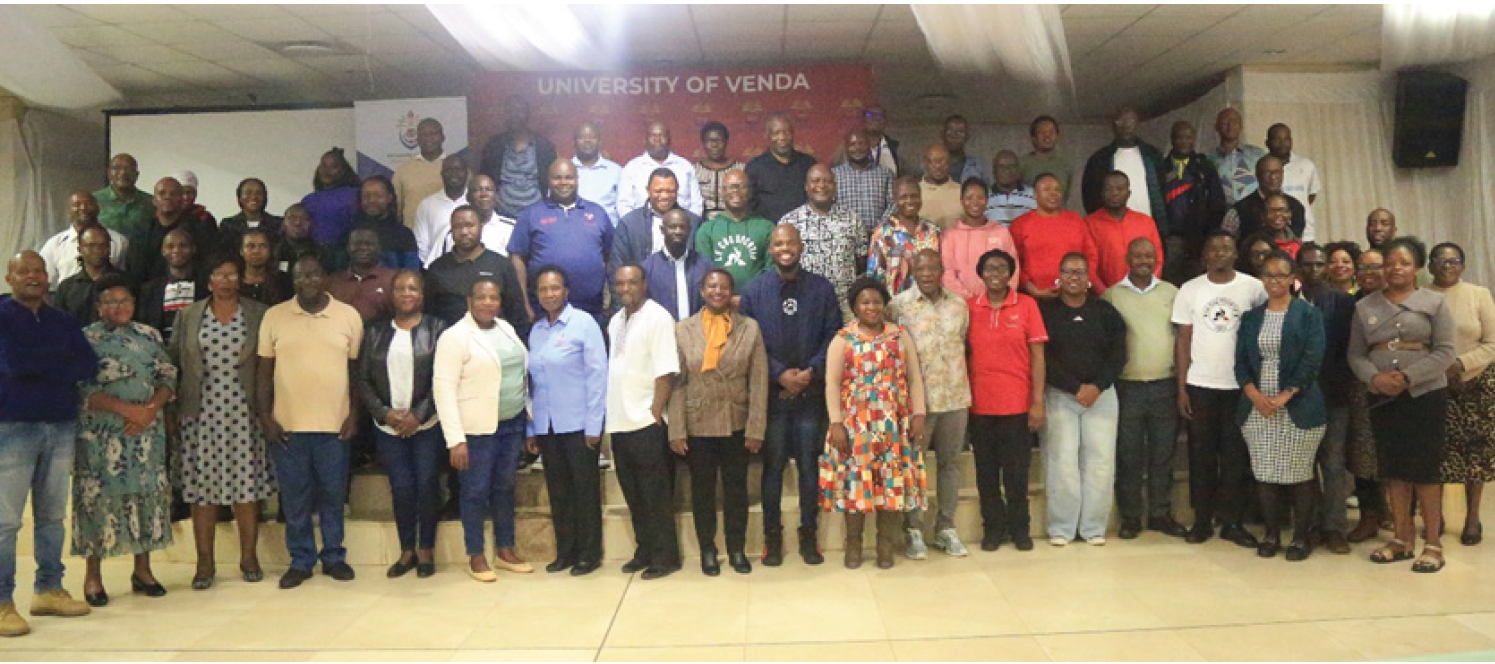
Group of attendees
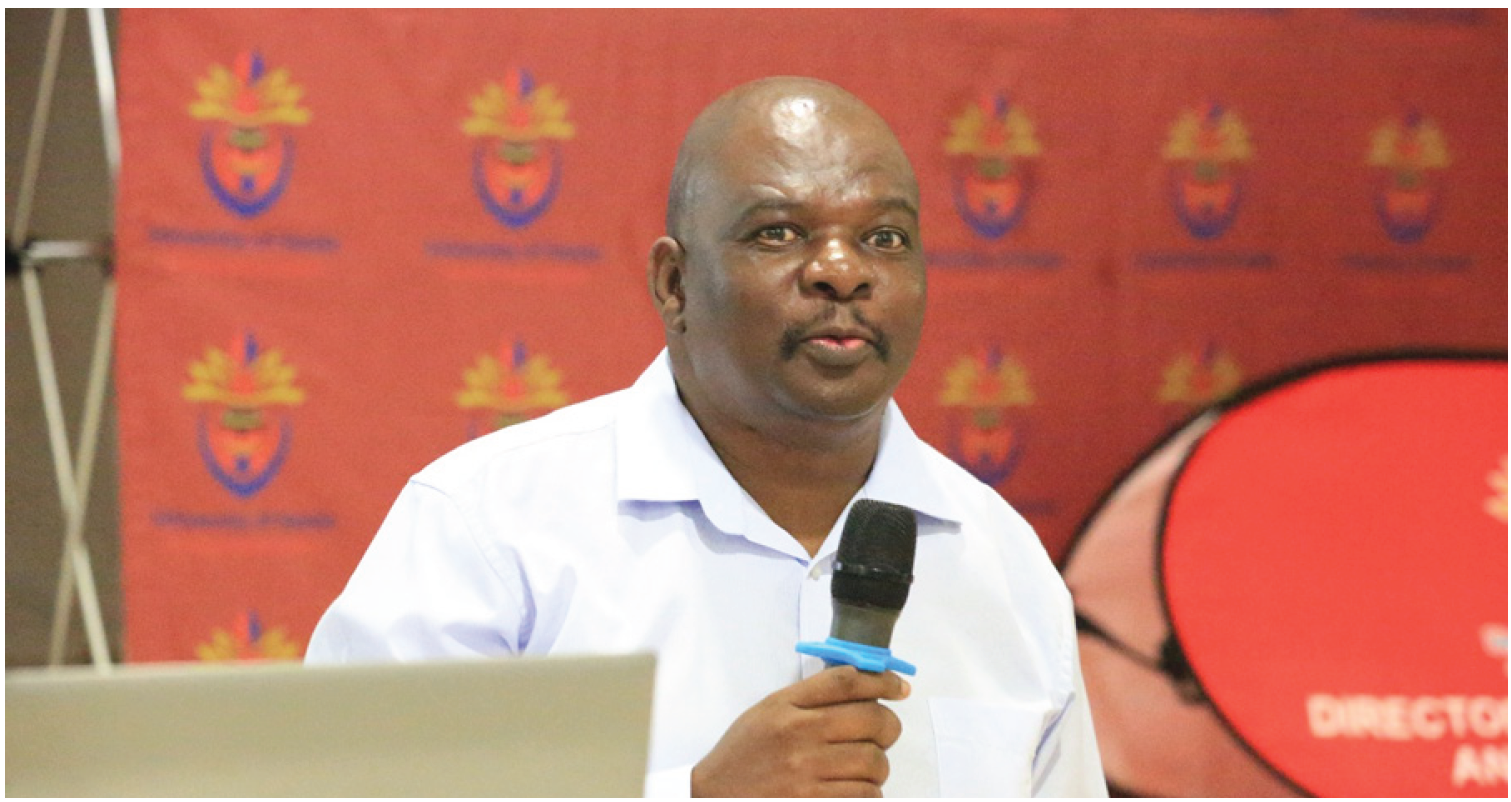
Mr Khathutshelo Mashavhathakha, Postgraduate Officer from the Directorate of Research and Innovation, University of Venda
Mr Mashavhathakha opened the proceedings with the University’s Vision 2040, a framework rooted in student-centredness and challenged research supervisors to reconsider the entire postgraduate journey, from admission to graduation. His emphasis on meaningful feedback lingered in the room. Supervision, he suggested, was not a transactional obligation but a developmental partnership, one that required clarity, commitment and ethical responsibility.
Prof Michael Chimonyo, Research Professor in the Faculty of Science, Engineering and Agriculture, University of Venda
As the morning unfolded, Prof Michael Chimonyo deepened the discourse with a firm and instructive tone. Prof Chimonyo underscored the undeniable link between supervision quality and research outcomes. According to him, supervision is about intellectual engagement, planning, guiding, analysing, and refining. He told attendees that supervision demands availability, discipline, and intellectual leadership.
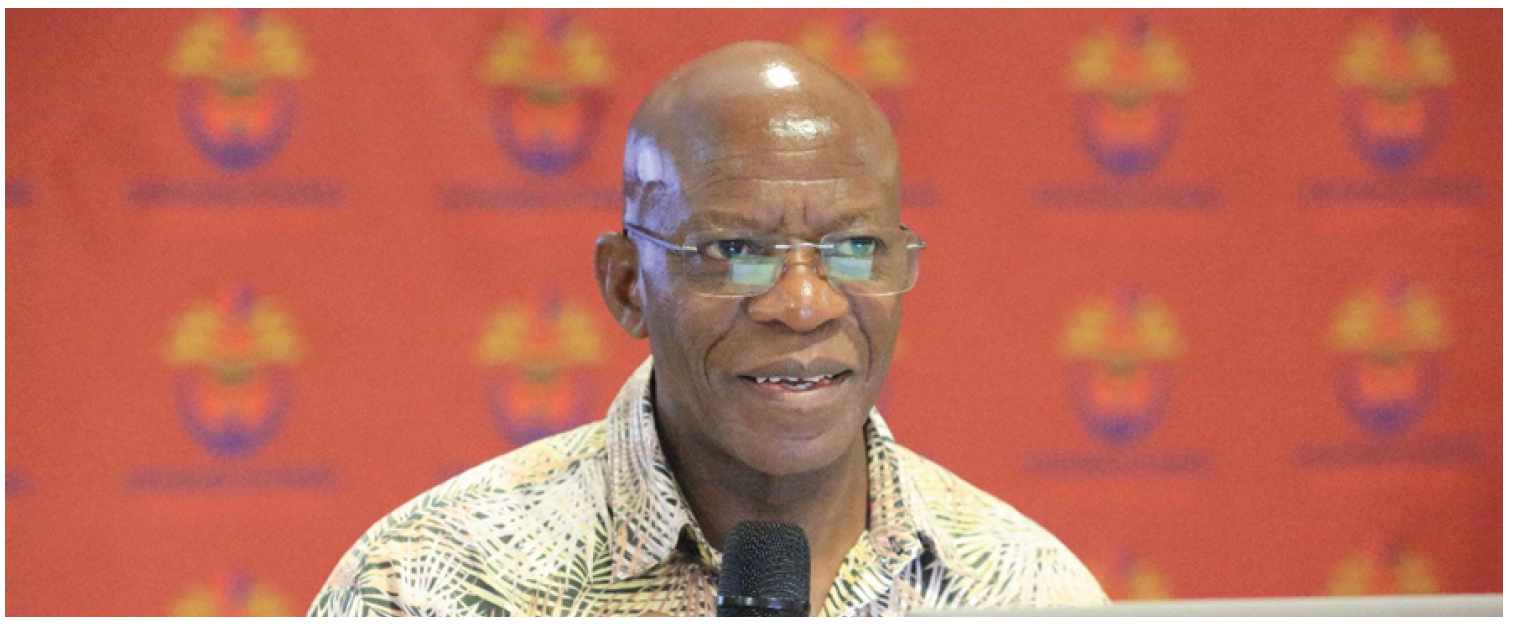
Emeritus Professor, Azwidohwi Kutame, Director of the School of Education, University of Venda
Prof Azwidohwi Kutame offered a more nuanced perspective. He invited participants to examine roles often taken for granted, coaching, mentoring, and supervising. He described coaching as immediate and task-focused, mentoring as enduring and developmental, and supervision as structured and goal-oriented. Yet, he noted that these roles frequently overlap, and when misunderstood, can lead to confusion or dependency. His insight encouraged a more conscious, intentional approach, one where supervisors recognise not only what they do, but how and why they do it.
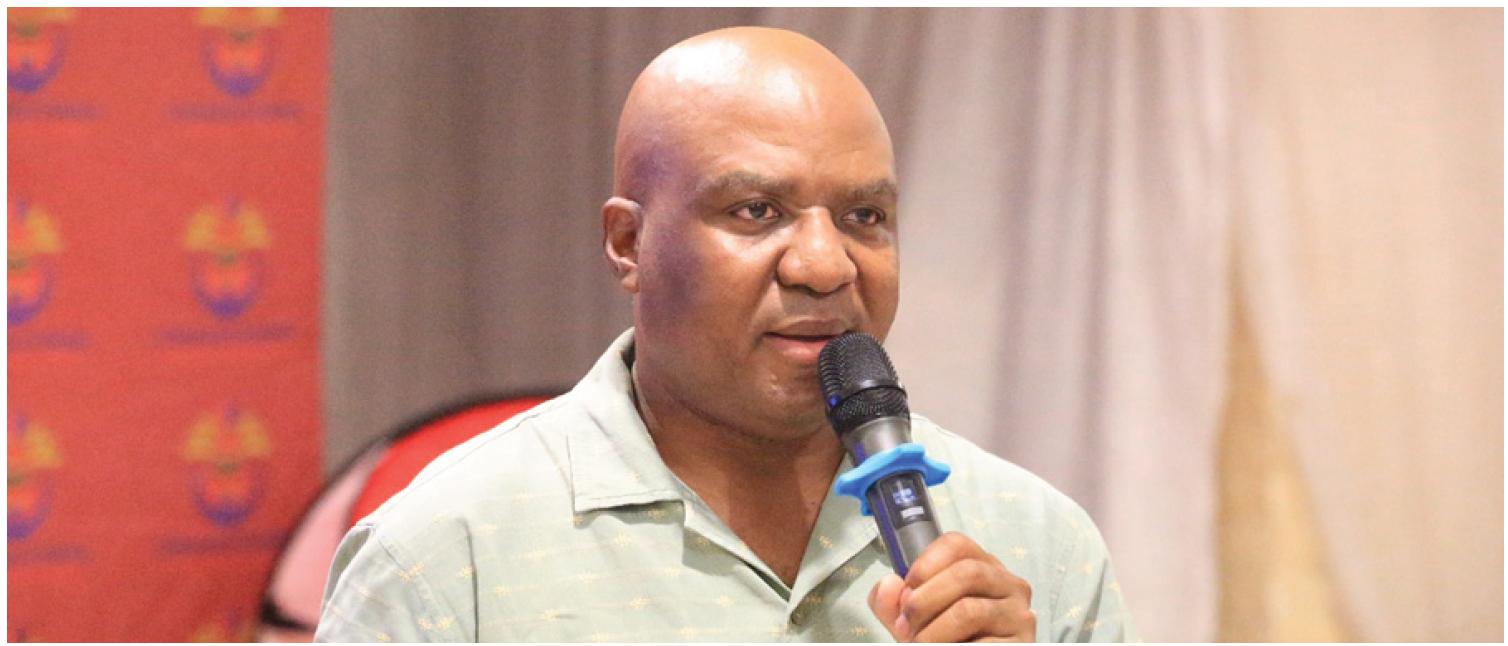
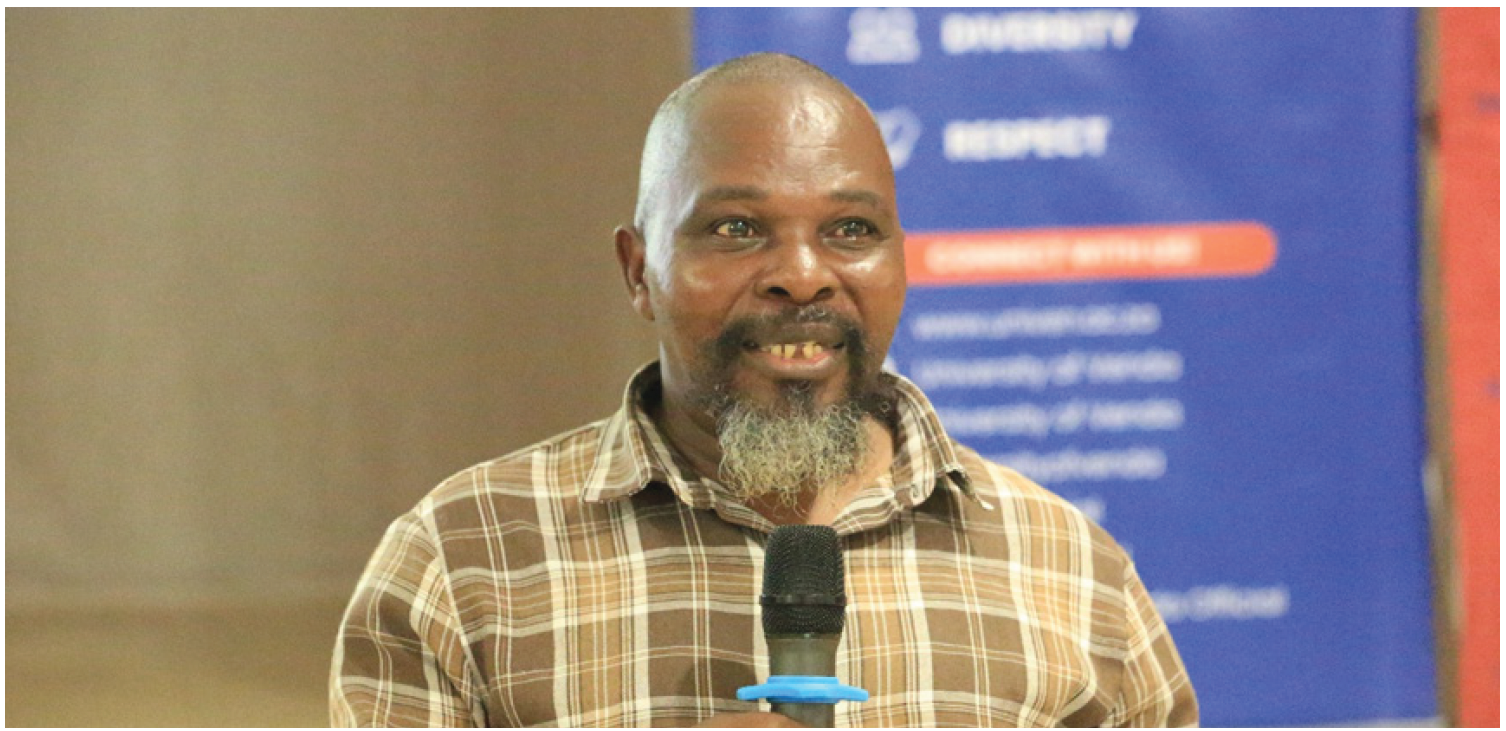
Professor Ntakadzeni Madala from the Department of Biochemistry and Microbiology, in the Faculty of Science, Engineering and Agriculture, University of Venda
Prof Ntakadzeni Madala’s contribution shifted the room from theory to strategy. Drawing from experience, he spoke candidly about the realities of supervision in demanding academic environments. He challenged the notion of solitary supervision, proposing instead collaborative models that distribute responsibility and enhance capacity. Prof Madala described group supervision as a collective effort, an intellectual community where supervisors and postdoctoral fellows guide students together. More striking was his advocacy for cohort supervision. In this model, students learn, conduct research, and thus progress together. They share milestones, support one another, and, perhaps most importantly, hold each other accountable.
There was a quiet recognition in the room as he explained its effectiveness. When students advance together, progress becomes visible, and so does stagnation. This shared journey fosters a subtle but powerful motivation: no one wishes to be left behind. It is not pressure imposed by authority, but encouragement emerging from within the group. Professor Madala’s reflections took a more introspective turn as he concluded. He spoke, almost pastorally, about academic integrity and self-awareness.
His message was unambiguous: those who lack the competence or integrity required for supervision should reconsider their roles. It was a moment of stillness, one that invited honest self-reflection rather than outward critique.
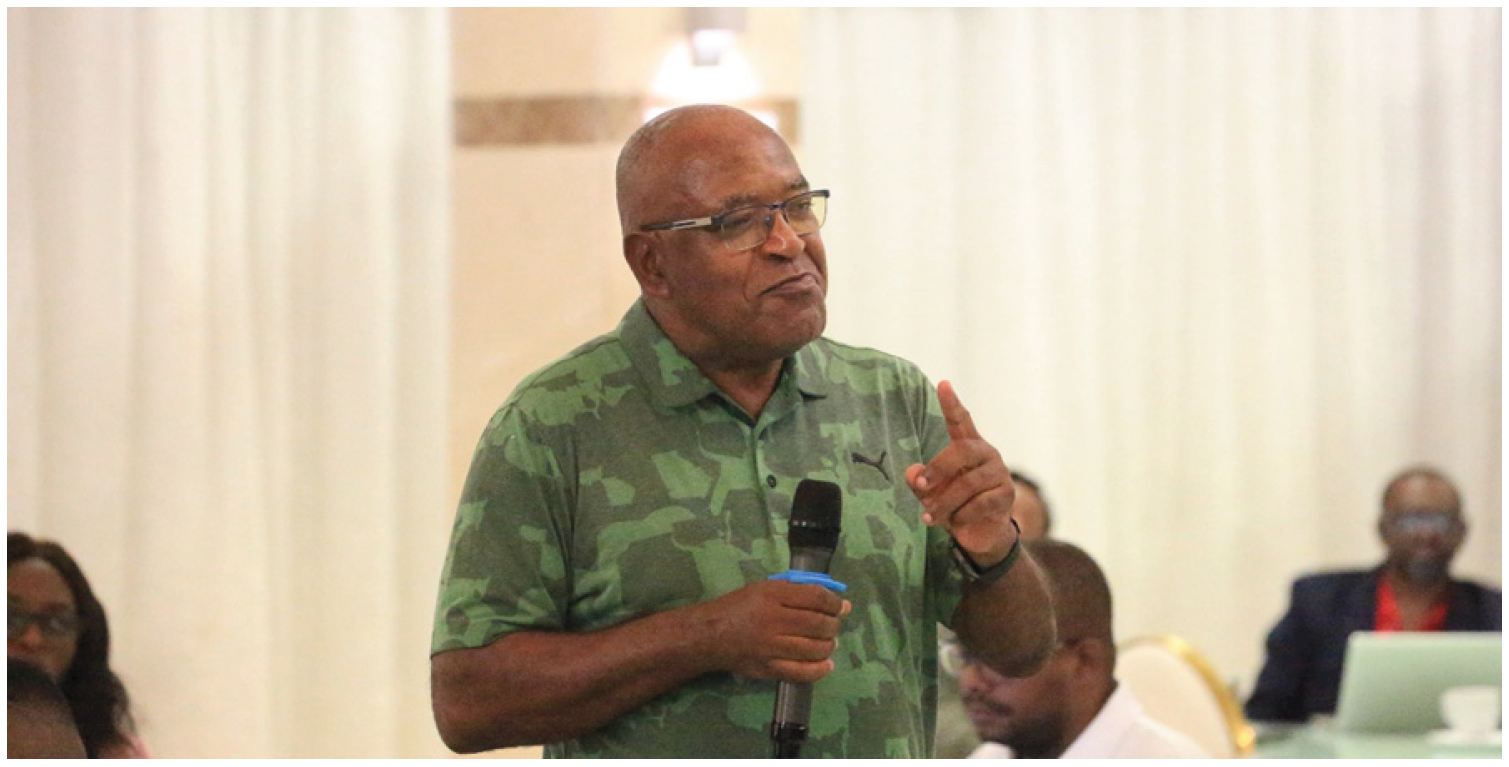
Dr Prins Nevhutalu, Advisor to the Deputy Vice-Chancellor Research and Postgraduate Studies, University of Venda
During the question-and-answer session, Dr Prins Nevhutalu’s voice added resonance to the discussion. He echoed the importance of structured and collaborative supervision, reinforcing the value of group and cohort models. His remarks affirmed a collective understanding emerging throughout the day, that effective supervision is not accidental, but intentional, designed, supported, and continuously refined.
As the workshop drew to a close, there was only a quiet sense of clarity. What had unfolded was not simply a series of presentations, but a shared rethinking of responsibility. It became evident that supervision is not merely about guiding students or candidates in research. It is about shaping scholars, sustaining integrity, and building the future.
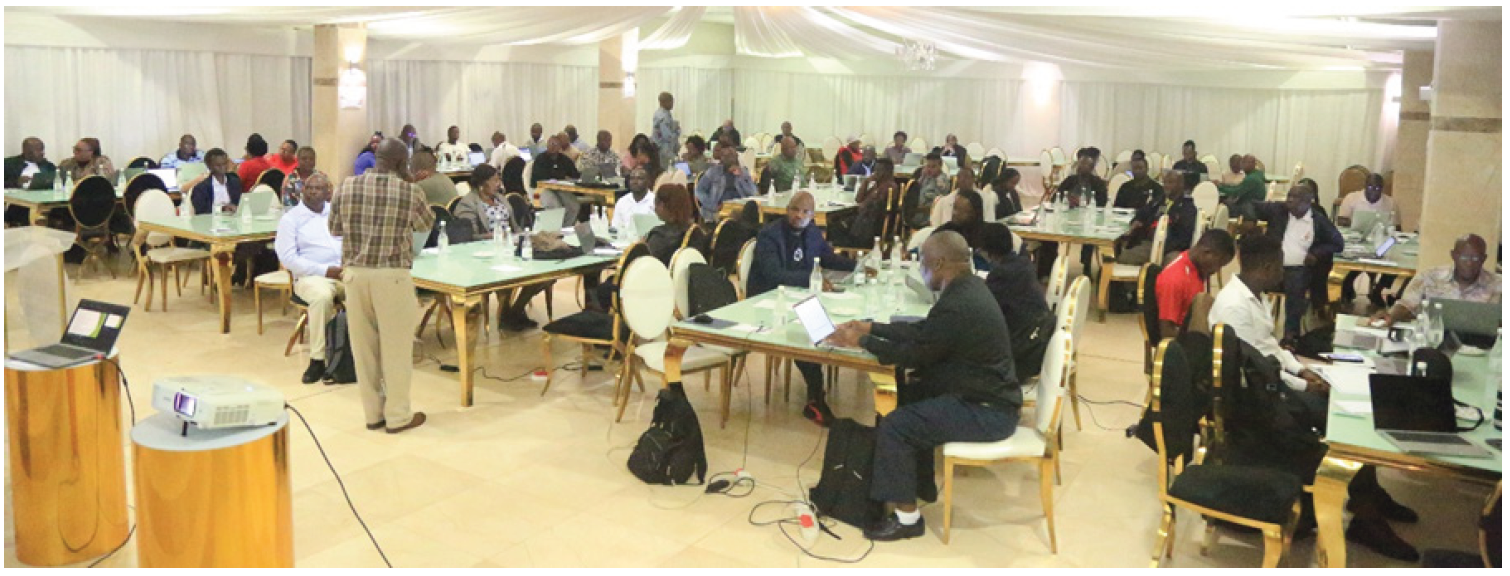
Attendees during workshop proceedings
Issued by:
Department of Marketing, Branding and Communication University of Venda
Tel: 082 868 2218 / 082 868 1811


