
The University of Venda’s Faculty of Humanities, Social Sciences, and Education hosted the 2026 Master’s and Doctoral Induction Programme at MGB Hotel on 17 April 2026, welcoming 34 doctoral and 100 master’s students, with over 130 attendees in total. The programme provided a comprehensive orientation into postgraduate study, addressing academic, practical, and emotional aspects of the journey. It introduced students to key areas such as research frameworks, supervision, ethics, academic integrity, and institutional support systems, through expert-led sessions designed to prepare them for rigorous and successful postgraduate study.
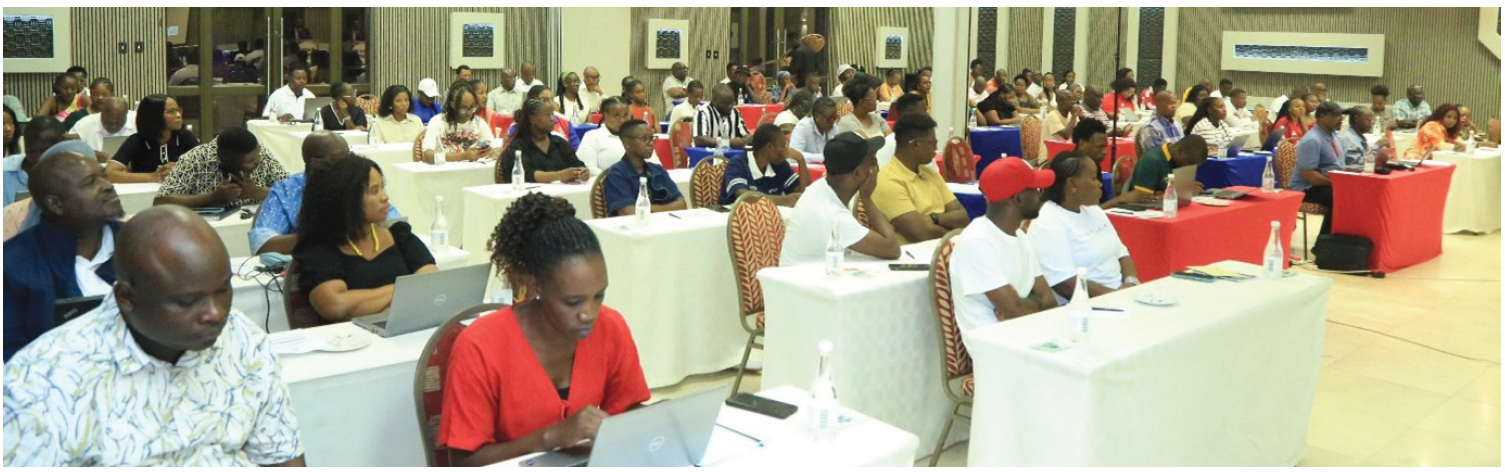
Group of attendees
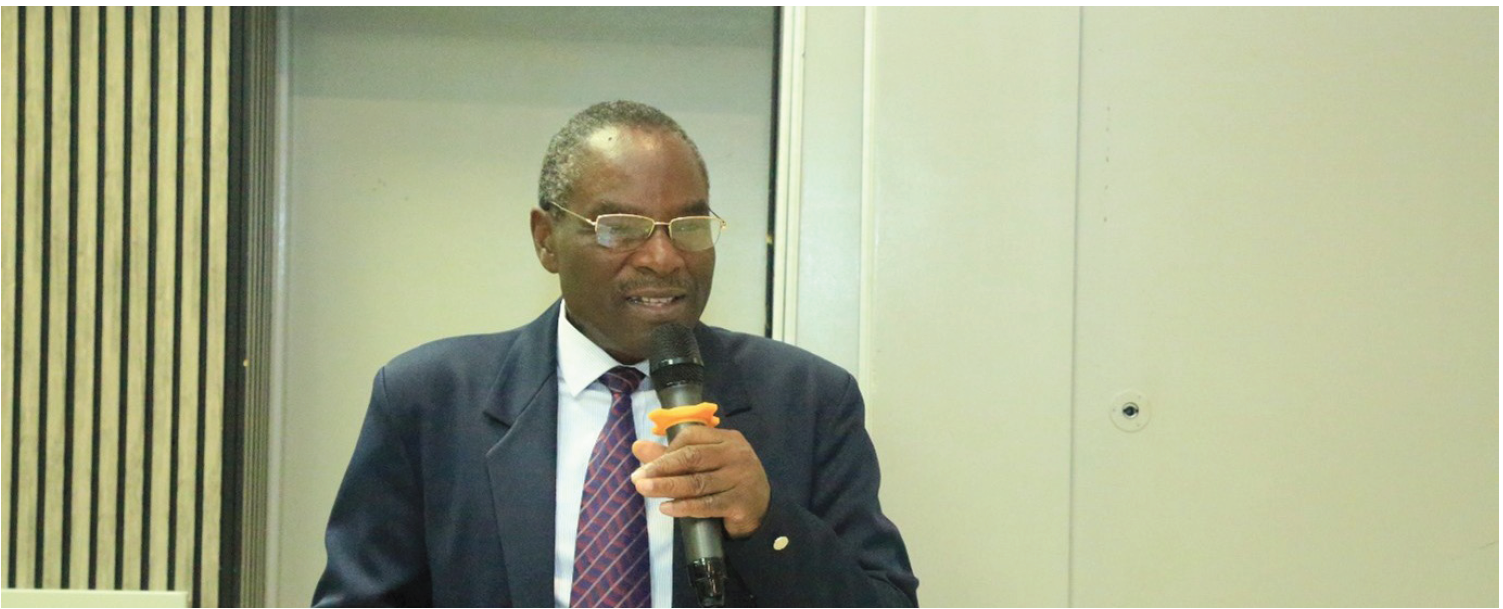
Tawanda Runhare, Acting Executive Dean of the Faculty of Humanities, Social Sciences and Education
Prof Runhare opened the programme by emphasising that postgraduate success is built on perseverance, discipline, and consistent effort rather than intelligence alone. He encouraged students to actively engage in research, adhere to academic requirements, make use of insti-tutional support, and remain committed to completing their studies within the required time-frames, including meeting publication expectations.
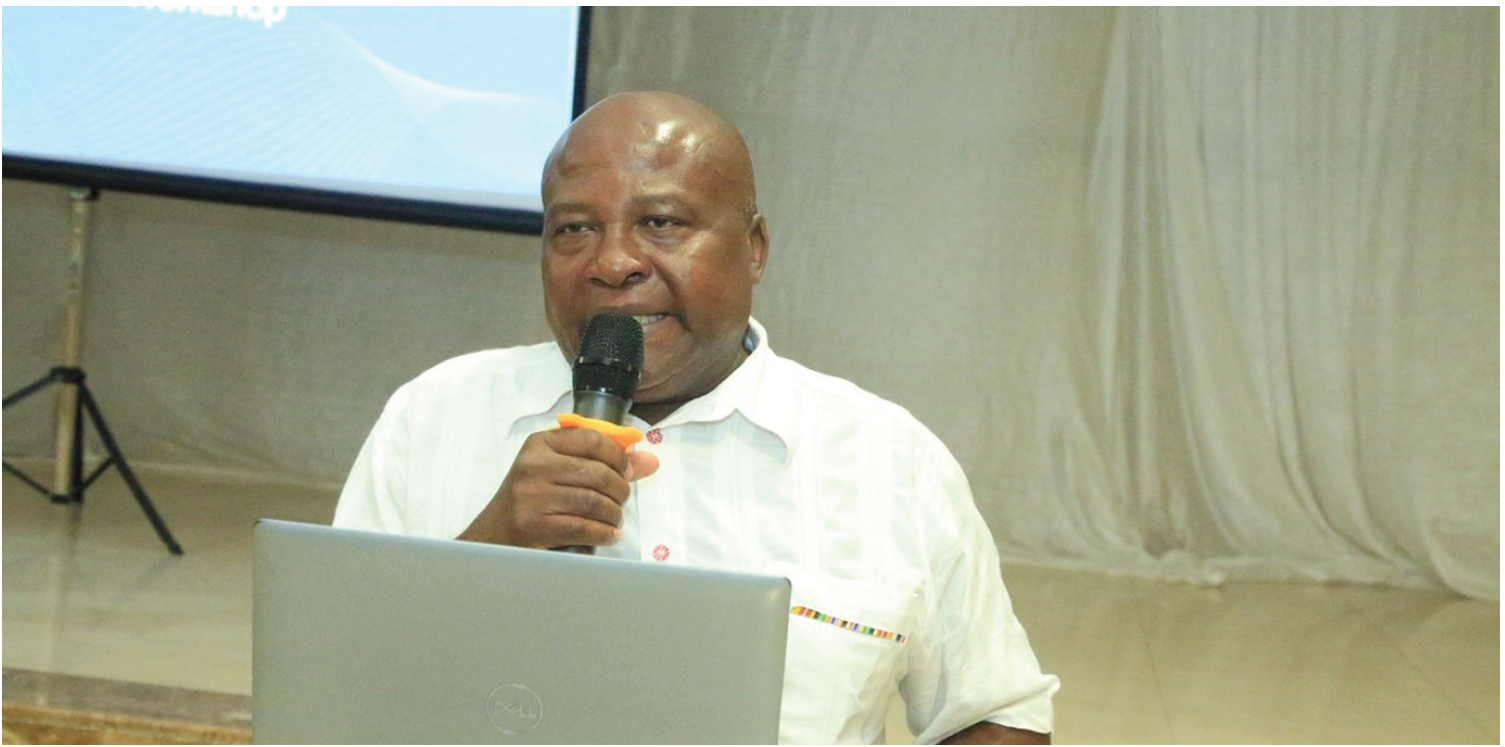
Professor Tendai Chari, Associate Professor of Media Studies in the Department of English, Media Studies and Linguistics, University of Venda
Professor Tendai Chari presented on theoretical and conceptual frameworks in research, em-phasising that theoretical frameworks are central to academic work but are often misunder-stood by students. He explained that theory should emerge from a thorough literature review rather than being mechanically selected, as it provides a logical explanation of phenomena and helps researchers make sense of their data. He further distinguished between theory and theoretical frameworks, noting that a framework integrates concepts and theories to guide and interpret research. He stressed the importance of aligning the literature review, research questions, and theoretical framework to ensure meaningful and academically sound research outcomes.
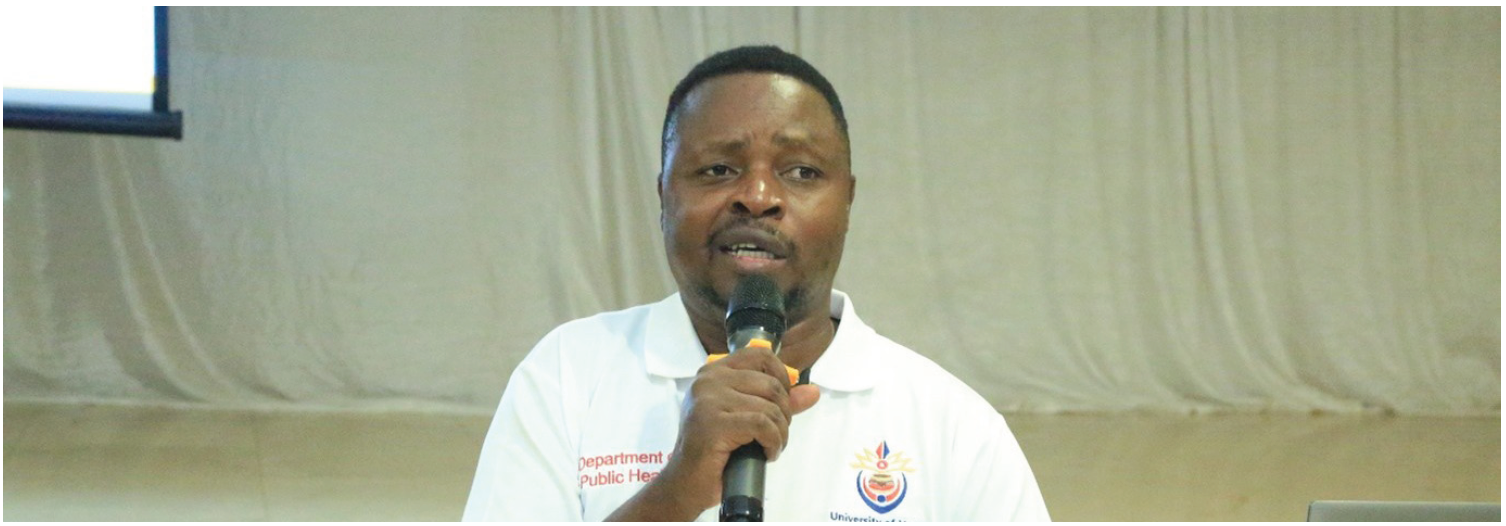
Prof Lufuno Makhado, Full Professor in the Department of Public Health, Faculty of Health Sciences at the University of Venda
Prof Lufuno Makhado presented on the student–supervisor contract, highlighting that the re-lationship between a student and supervisor is critical to successful postgraduate completion. He emphasised that both parties share responsibility, with students expected to take owner-ship of their studies through active engagement and preparedness, while supervisors must provide guidance, support, and timely feedback. He stressed the importance of clear commu-nication, structured processes, and early resolution of challenges to avoid delays.
He further noted that postgraduate development requires active participation from both par-ties, with students encouraged to communicate challenges early and supervisors expected to respond constructively. He concluded that successful postgraduate completion depends on collaboration, commitment, and consistent engagement between students and supervisors.
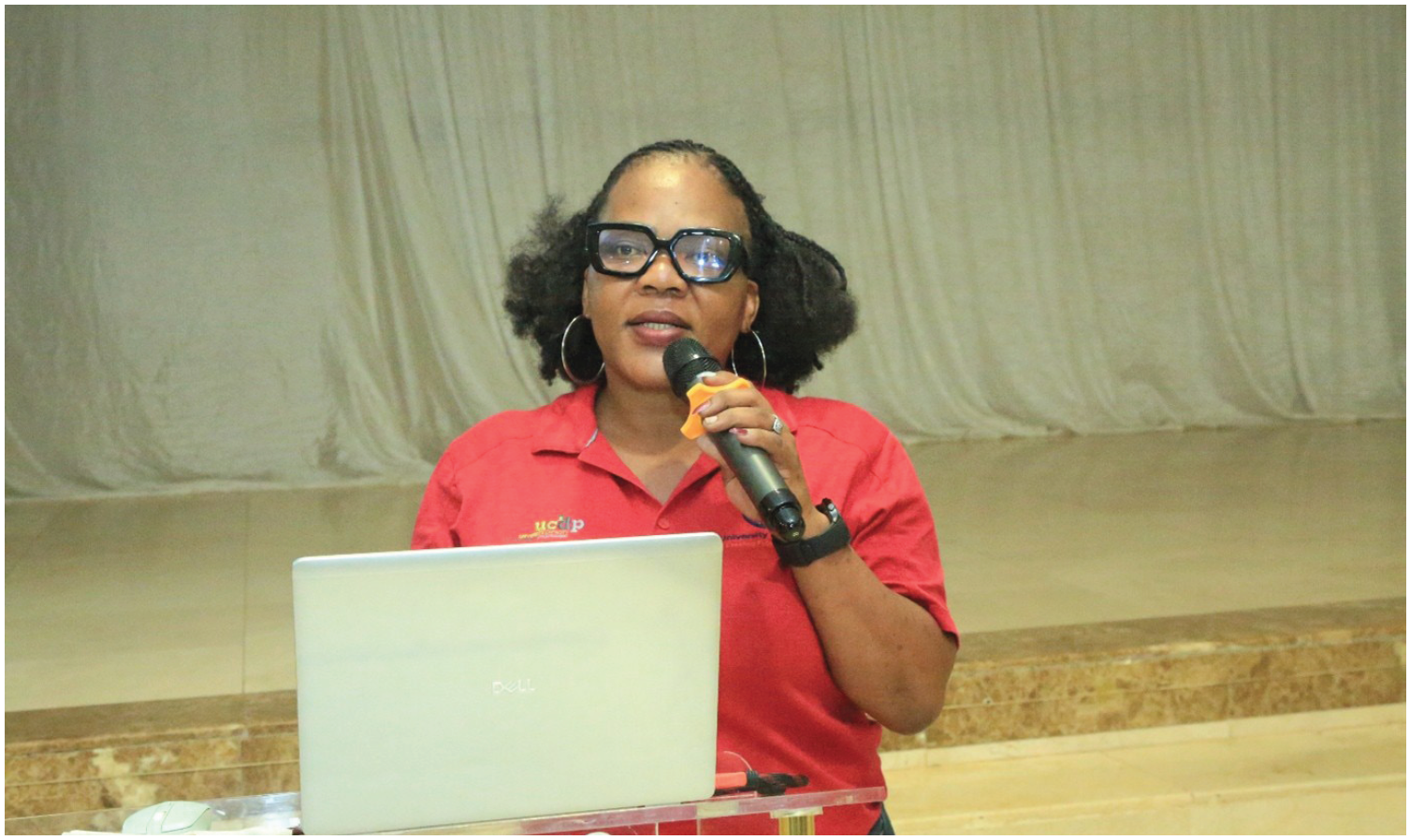
Ms Vanecia Khoza, Research Ethics Co-Ordinator, University of Venda
Ms Khoza presented on ethics in postgraduate research, emphasising the importance of con-ducting studies with integrity, responsibility, and respect for participants. She highlighted that ethical clearance is a mandatory requirement before commencing any research and ensures that studies comply with institutional and national guidelines.
She stressed the need for informed consent, confidentiality, and the protection of participants from harm, while also cautioning against academic misconduct such as plagiarism and data fabrication. She concluded by encouraging students to uphold ethical standards throughout their research process to maintain credibility and academic integrity.
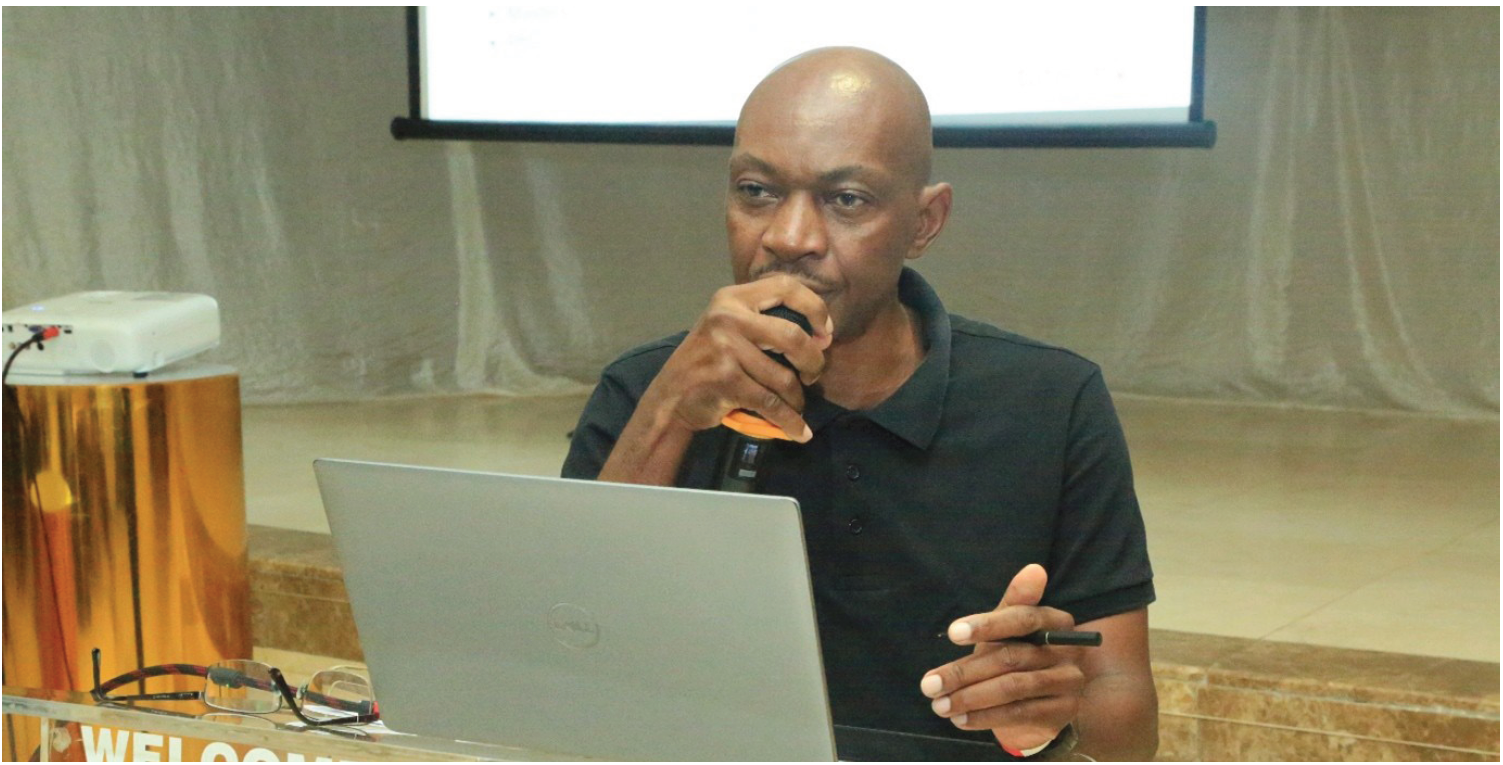
Mr Jerry Mahlangu, Information Commons Librarian, University of Venda
Mr Mahlangu emphasised that proper referencing is essential to avoid plagiarism and ensure successful graduation, warning that failure to meet similarity thresholds can have serious con-sequences. He advised students to use Turnitin responsibly, avoid submitting work through others, and manage submissions carefully to prevent delays. He highlighted the importance of maintaining one’s own academic voice, paraphrasing correctly, citing sources appropriately, and using quotation marks where necessary. Overall, he encouraged students to uphold aca-demic integrity and follow correct referencing practices throughout their research.
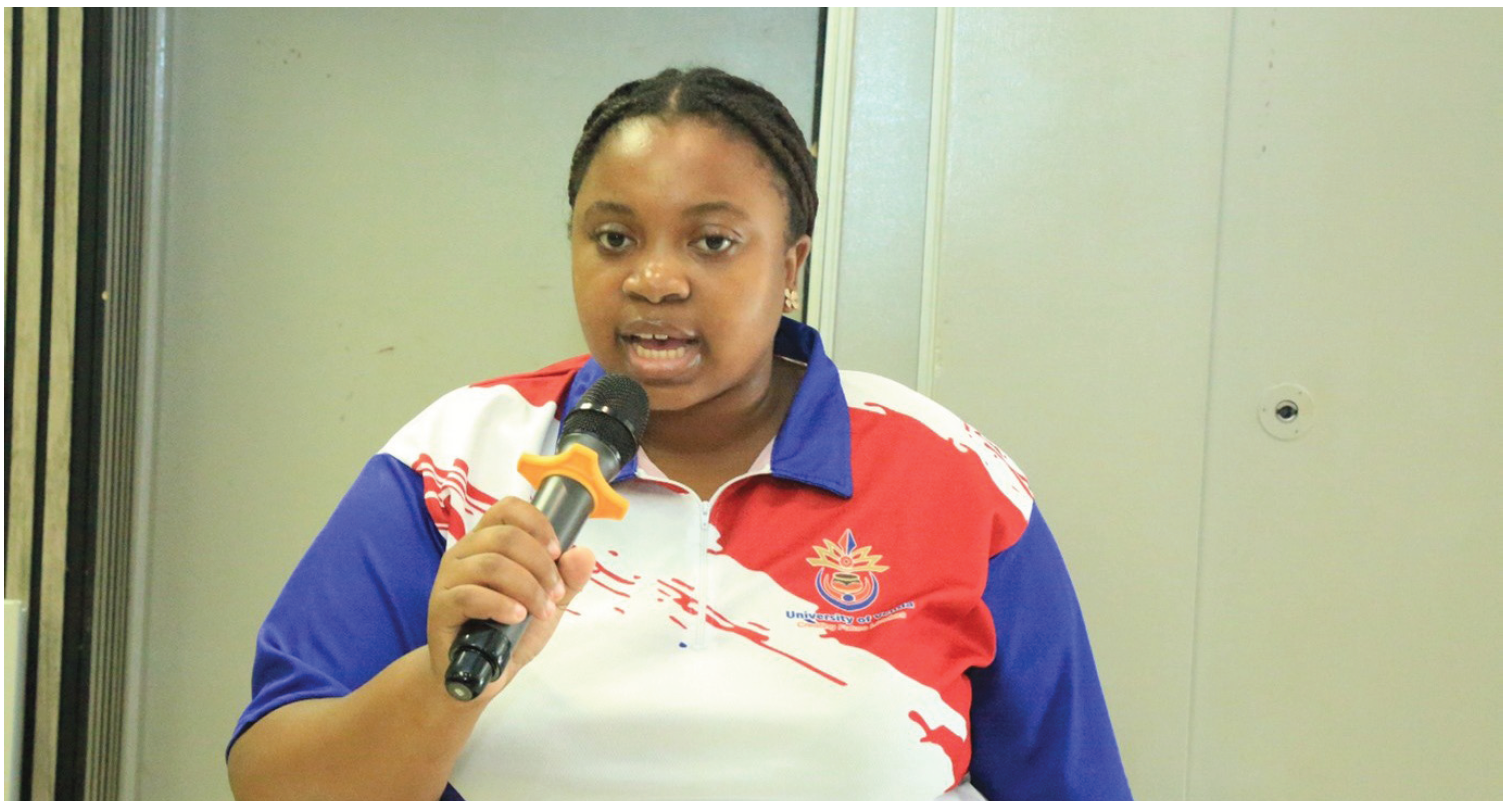
Ms Adelaide Sibara, representing the Postgraduate Committee
Ms Sibara reassured students that although the postgraduate journey is challenging, they are not alone. She emphasised the importance of utilising available support systems, including supervisors and academic units, and encouraged students to remain engaged, ask questions, and fully participate in the induction workshop as a platform for academic growth.
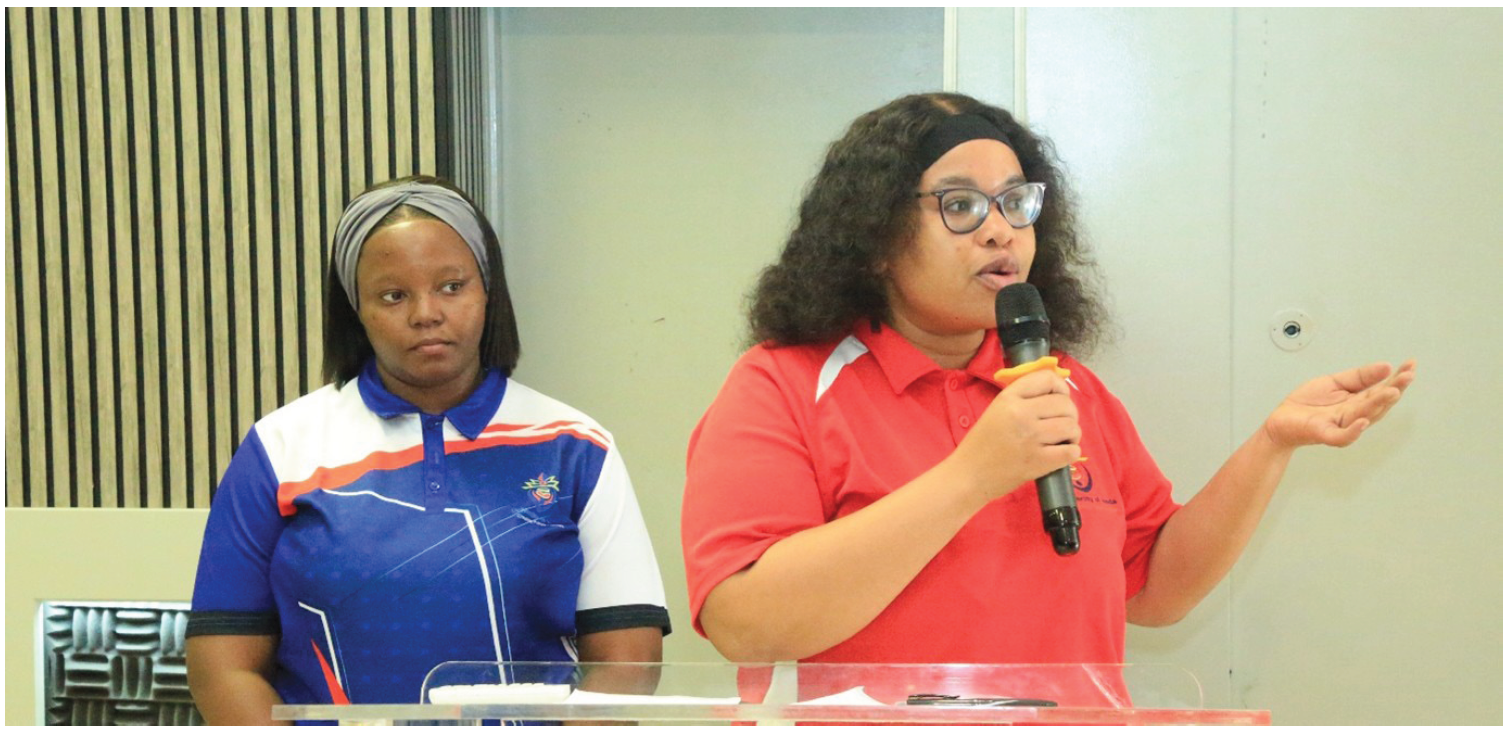
Ms Basetsana Sethosa and Ms Rirhandzu Shokane from the Centre for Higher Education Teaching and Learning (CHETL)
Ms Basetsana Sethosa and Ms Rirhandzu Shokane presented on the Centre for Higher Edu-cation Teaching and Learning (CHETL), highlighting its role in providing holistic postgraduate support. They explained that CHETL offers academic, psychosocial, and technical assistance through services such as academic advising, e-learning support, and disability services. They further stressed the importance of time management, academic integrity, and early help-seek-ing, encouraging students to fully utilise available resources to enhance their success.
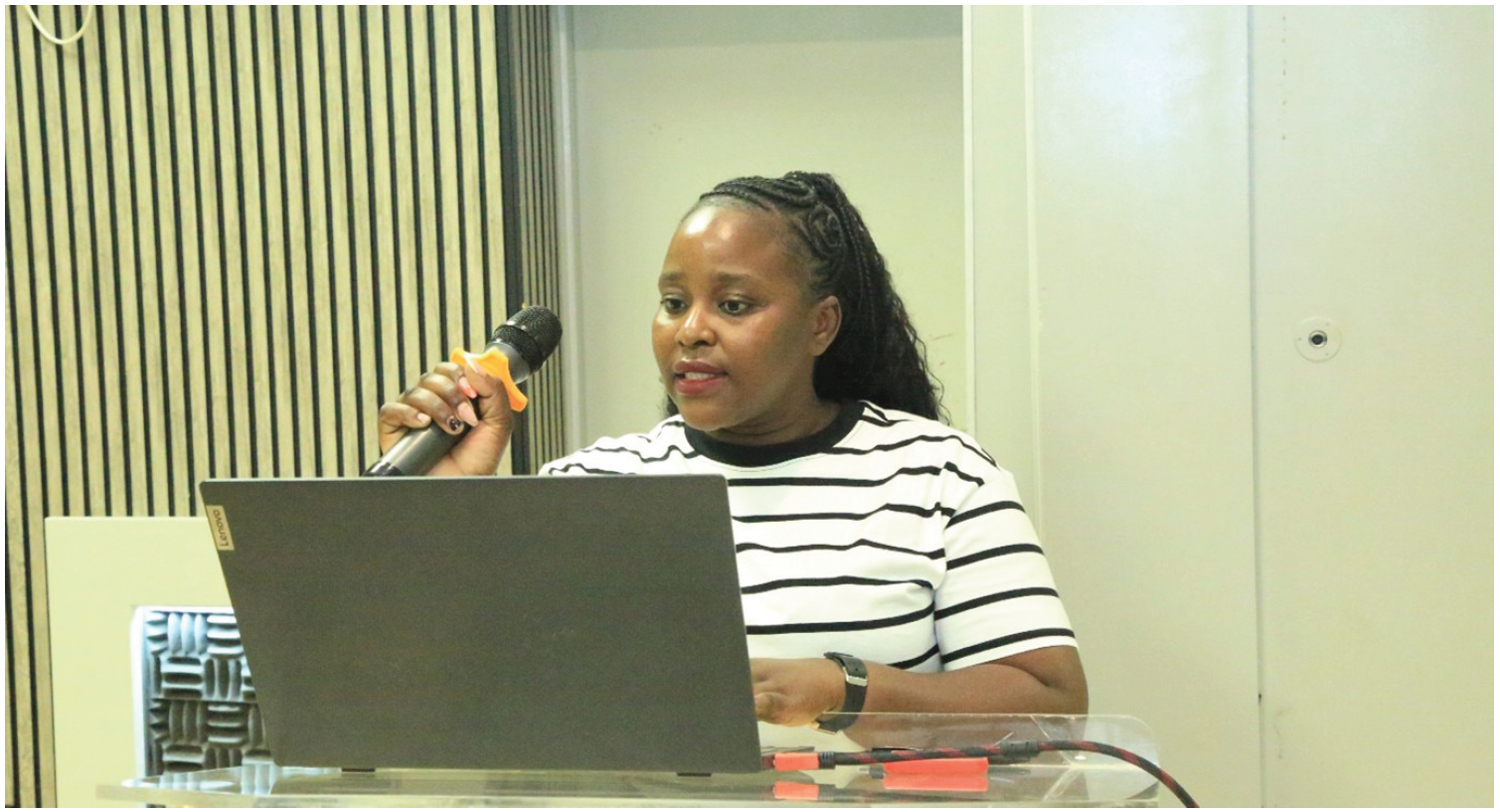
Ms Aluwani Mathoma, from the Directorate of Research and Innovation
Ms Mathoma presented on the University Higher Degrees Committee (UHDC), explaining that it is a Senate-level body responsible for overseeing postgraduate processes such as approving research proposals, dissertations, and thesis results for both master’s and doctoral students. She highlighted its role in appointing supervisors and examiners, ensuring proper academic governance of postgraduate supervision and assessment.
She further explained that UHDC ensures quality assurance and consistency in postgraduate education across all faculties by monitoring student progress and enforcing institutional pol-icies. She outlined key submission requirements, including templates, proof of registration, ethical clearance, and examination reports, and noted that UHDC meets monthly with strict submission deadlines. She also described the Viva Voce process for doctoral candidates as a mandatory oral defence involving presentation and questioning, emphasising academic integrity and stating that no student can graduate without UHDC approval.
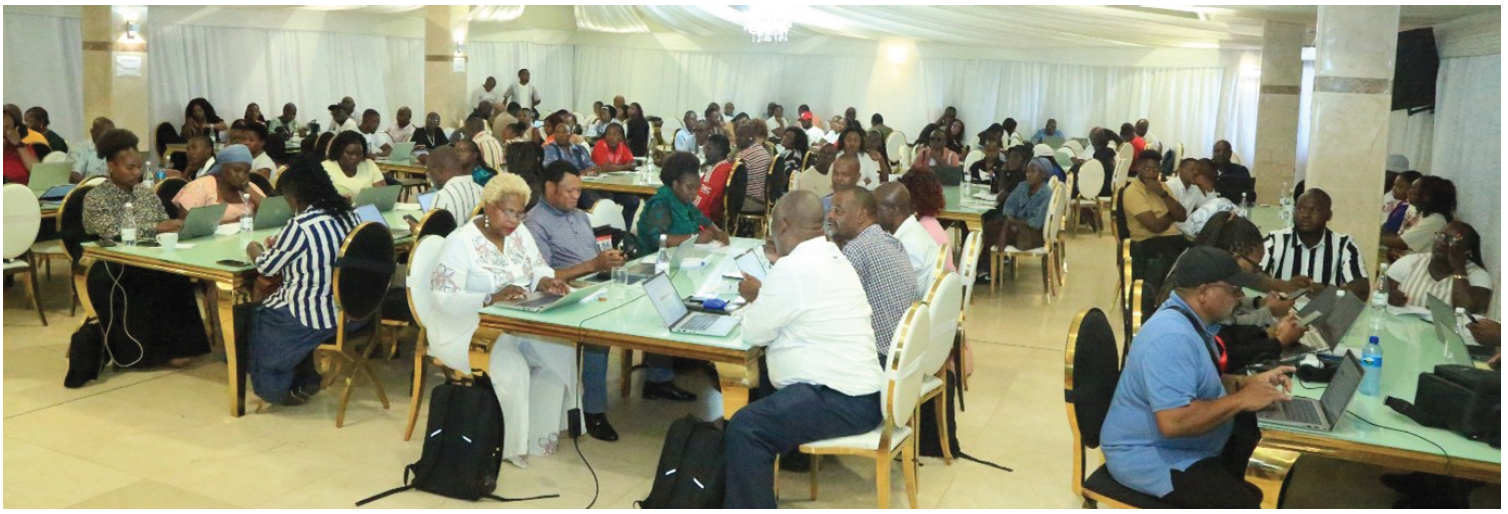
The afternoon session focused on strengthening key academic and research skills necessary for postgraduate success. Sessions covered the use of library resources to support the scientific research process, guidance on achieving success in postgraduate studies, and the development of well-structured research proposals. Attention was also given to the emotional aspects of the research journey, acknowledging the personal challenges students may encounter. In addition, ethical considerations in research were emphasised, highlighting the importance of integrity, informed consent, confidentiality, and adherence to institutional guidelines.
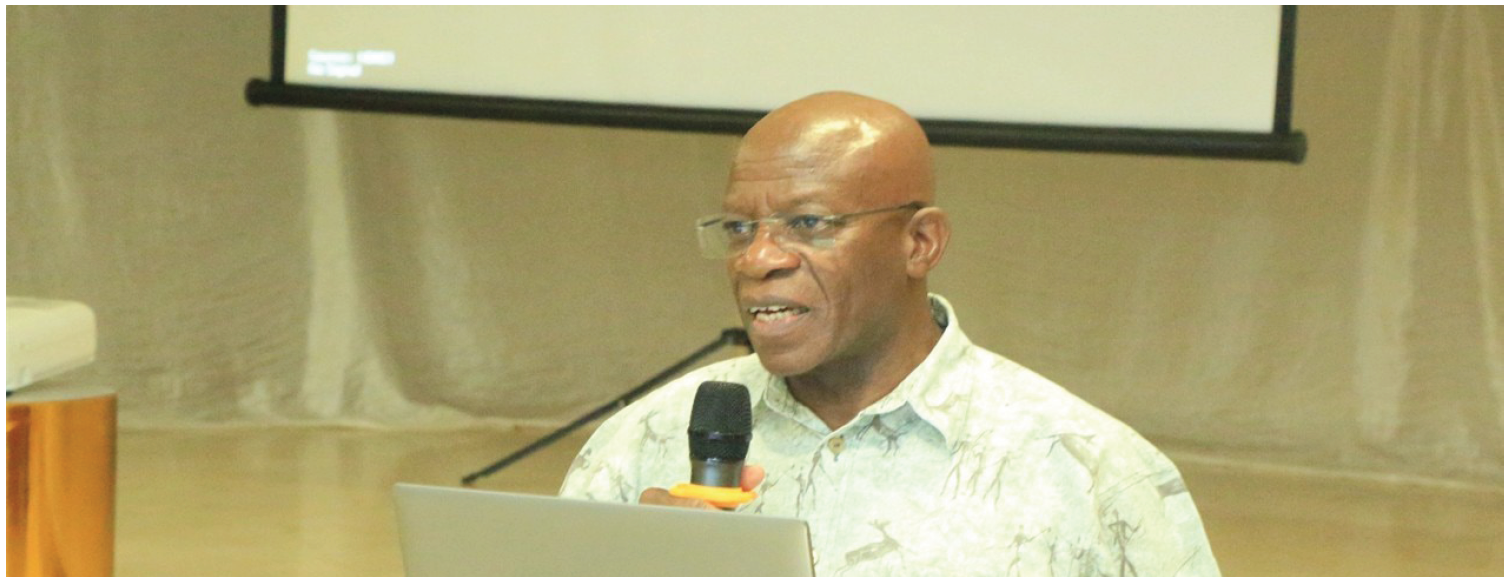
Emeritus Professor Azwidohwi Kutame, Director of the School of Education, University of Venda
Prof Kutame delivered the vote of thanks, expressing sincere appreciation to faculty members, library staff, and all contributors for their unwavering support. The postgraduate students were encouraged to remain committed to their Master’s and PhD journeys, collaborate with peers, and build supportive networks rather than work in isolation. Emphasis was placed on embracing challenges and feedback as valuable learning opportunities that contribute to aca-demic growth. Prof Kutame also extended gratitude to the Programme Director for effectively guiding the proceedings.
Issued by:
Department of Marketing, Branding & Communication
University Of Venda
Tel: 082 868 2218 / 082 868 1811


