

The University of Venda (UNIVEN) has taken a decisive step to strengthen institutional capacity in staff development by hosting a focused training session for its Staff Development Committee (SDC) on 18 February 2026 at 2Ten Hotel. The training brought together committee members, Human Resources practitioners, and external stakeholders to enhance their understanding of workplace skills planning, legislative frameworks, and strategic staff development priorities.
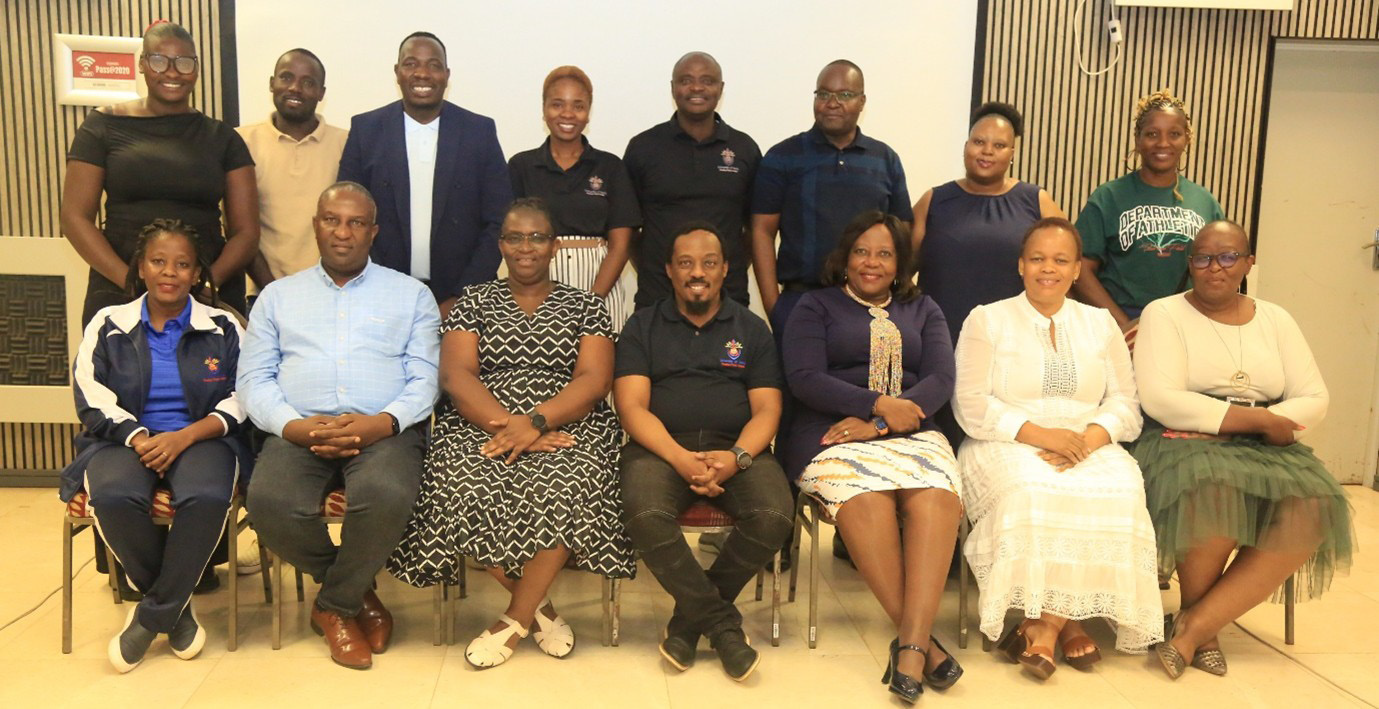
Group photo of the Skills Development Committee
Facilitated by Labour Guide, the programme equipped participants with the knowledge and competencies needed to support workplace learning initiatives. Sessions unpacked key aspects of South Africa’s evolving skills development landscape, including legislation, national qualification frameworks, accreditation systems, and workforce training strategies, positioning the Committee to play a more strategic and impactful role.
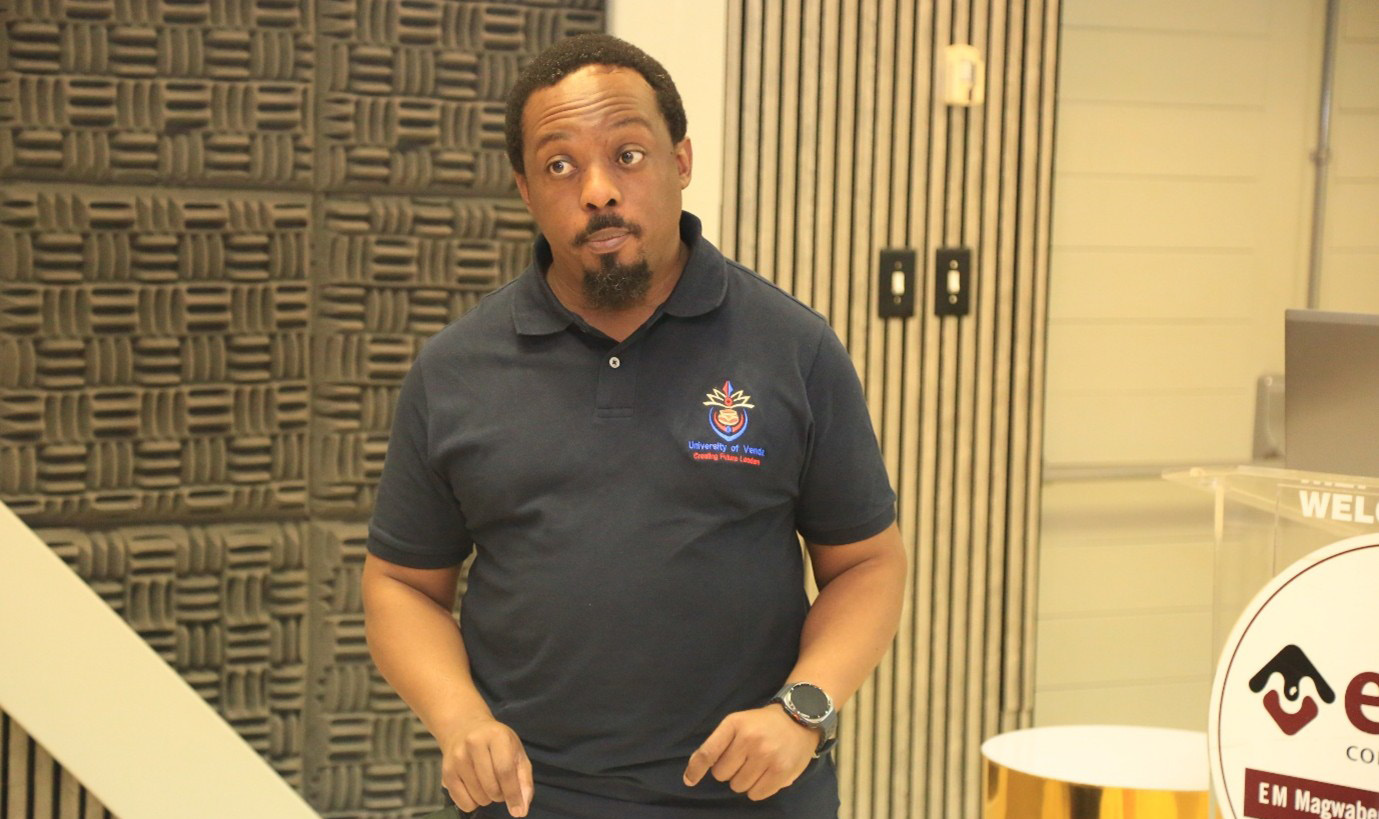
Chief Operating Officer, Mr Kraziya Botwe, University of Venda
Opening the session, Chief Operating Officer Mr Botwe Kraziya called for renewed commit-ment and accountability from the Committee. He acknowledged past challenges and urged members to approach their responsibilities with seriousness and purpose. Emphasising the university’s core values of excellence, integrity, honesty, accountability, diversity, and respect, he reminded participants of their duty to ensure fair distribution of development opportunities.

Mr Michael Nyanyiwa, Labour Guide Facilitator
Facilitator Mr Michael Nyanyiwa framed skills development as a transformative tool for so-cial and economic justice rather than a mere compliance requirement. He traced its roots to pre-1994 inequalities and explained how reforms such as the Skills Development Act were designed to promote career mobility and workforce transformation. His presentation outlined the national skills development framework, including the National Qualifications Framework and the role of Sector Education and Training Authorities, while highlighting the strategic re-sponsibility of Skills Development Committees in aligning institutional training with national priorities.
Participants also received practical guidance on workplace skills planning, Annual Training Re-ports, Recognition of Prior Learning, learnerships, internships, and accreditation processes. The afternoon discussions focused on applying these tools to strengthen staff progression and organisational development.
Key themes explored during the training included South Africa’s skills development legisla-tive framework, the role of the National Qualifications Framework and the Quality Council for Trades and Occupations. Another area of focus was the functions of SETAs and skills devel-opment providers, Workplace Skills Plans and Annual Training Reports. Lastly, the recognition of Prior Learning and accreditation processes; learnerships, internships, and PIVOTAL pro-grammes; and the strategic role of the Skills Development Committee was also covered.
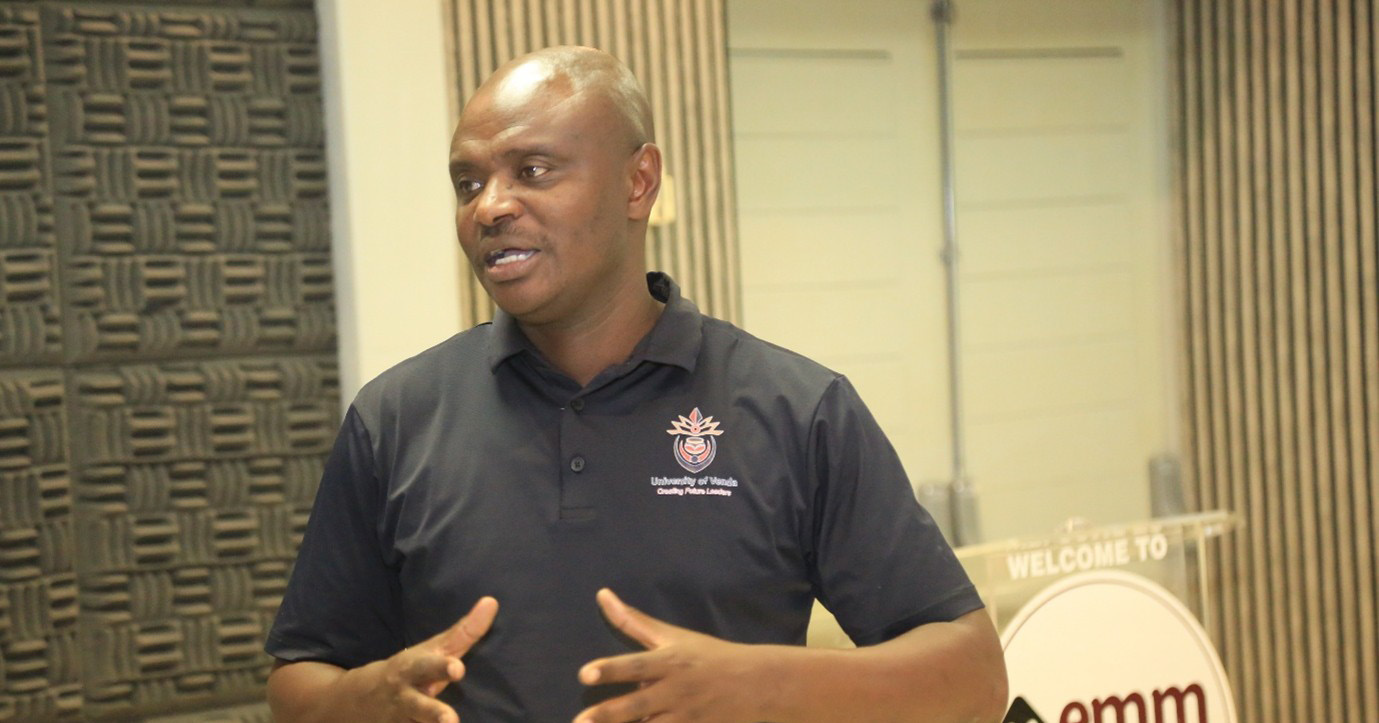
Head: Occupational Development and Training, Mr Kenneth Mphaphuli
Concluding the session, Head of Occupational Development and Training Mr Kenneth Mphaphuli highlighted the Committee’s progress in clarifying its powers, functions, and expectations. He emphasised that training initiatives should build confidence, promote fairness and transparency, and positively impact staff growth. As a way forward, he encouraged refining the commit-tee structure, clarifying roles, and aligning activities with institutional skills development plans through active participation and collaboration.
Issued by:
Department of Marketing, Branding and Communication University of Venda
Tel: 082 868 2218 / 082 868 1811


