
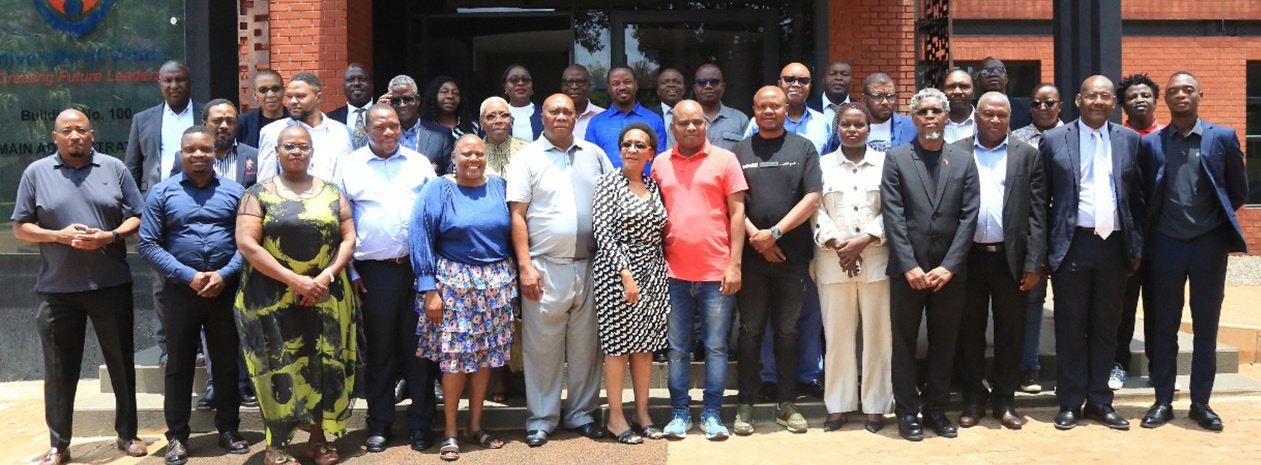
Council members pose for a group photo

Chairperson of Council, Mr Rudzani Mushweu
Opening the workshop, Chairperson of Council, Mr Rudzani Mushweu, set a reflective yet for-ward-looking tone, emphasising that the induction serves as an opportunity to assess insti-tutional performance against the five-year strategic plan and to build shared understanding around key priorities for the year ahead. He highlighted the importance of reviewing gover-nance structures in line with the revised institutional statute to strengthen internal processes and accountability. Mr Mushweu also reflected on the Parliamentary Portfolio Committee’s recent oversight visit, commending the University’s strong engagement while noting the need to address matters raised. He concluded by encouraging open, constructive participation throughout the workshop.
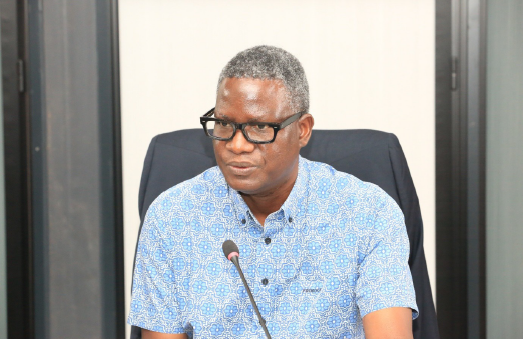
University of Venda Vice Chancellor and Principal, Prof Bernard Nthambeleni
Providing an institutional overview, Vice-Chancellor and Principal, Prof Bernard Nthambeleni, outlined the University’s readiness to commence implementation of the 2026–2030 Strategic Plan. He underscored UNIVEN’s commitment to outcome-based planning, describing the insti-tution as “a living institution” focused on defining, measuring, and achieving tangible results. He confirmed that all divisions had finalised and received approval for their operational plans, signalling preparedness for execution.
Prof Nthambeleni further highlighted the University’s inclusive performance culture, noting that performance agreements now extend across all staff categories, reinforcing shared account-ability. He outlined key 2026 deliverables, including strengthening student success, refining academic programmes, accelerating digital transformation, enhancing research outputs, and consolidating governance maturity, concluding with confidence in the University’s data-driven performance baseline and implementation readiness.
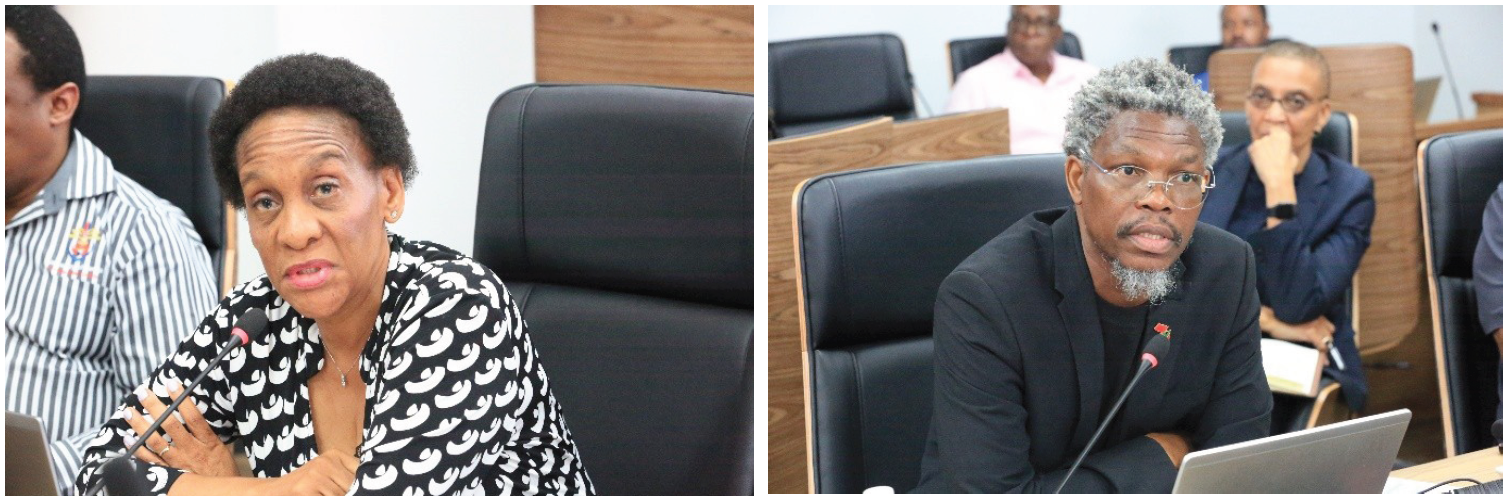
L – R: Deputy Vice Chancellor for Teaching and Learning, Prof Eucebious (Sebi) Lekalakala-Mokgele and Dep-uty Vice Chancellor for Research and Postgraduate Studies, Prof Fulufhelo Netswera
Focusing on UNIVEN’s core academic mandate, Deputy Vice-Chancellor, Teaching and Learn-ing, Prof Lekalakala Mokgele, reaffirmed that teaching and learning remain the primary driv-ers of student success and institutional performance. She presented a refreshed academic strategy that positions UNIVEN as a student-centred institution, supported by modernised pedagogy, strengthened academic support systems, and curriculum transformation aimed at producing graduates who are locally relevant and globally competitive. Complementing this, Deputy Vice-Chancellor Research and Postgraduate Studies, Prof Netswera, reflected candidly on the research landscape, acknowledging fluctuating research output and outlining targeted interventions to build a stronger research culture. These include clearer publication expec-tations across academic ranks and a requirement for doctoral candidates to publish before graduation.
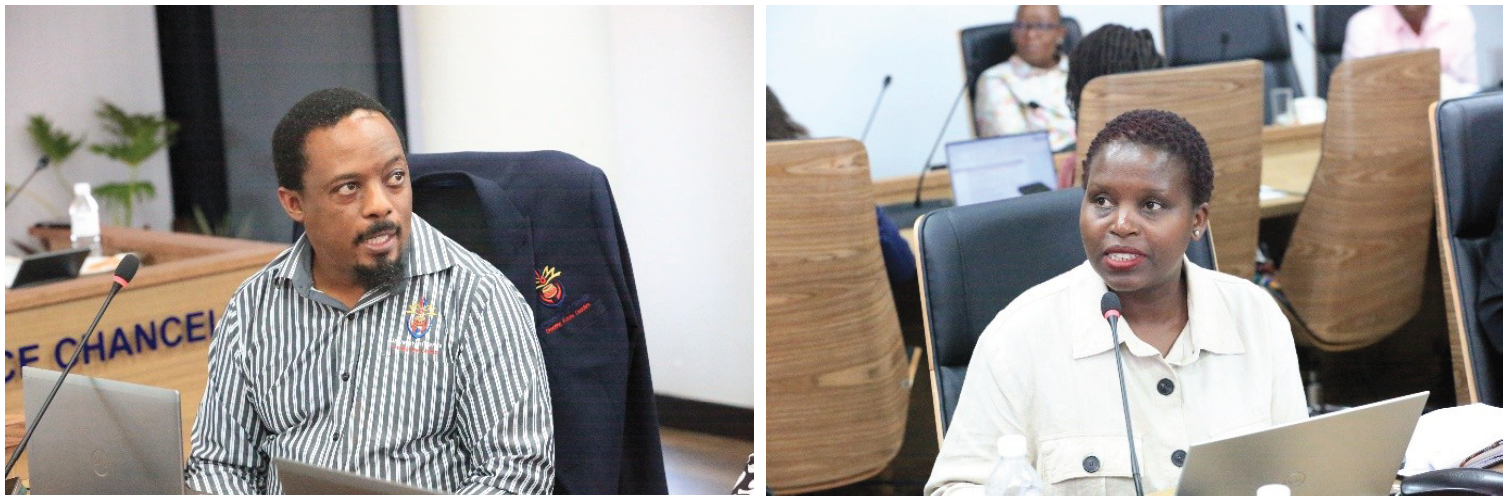
L – R: Chief Operating Officer, Mr Botwe Kraziya and Chief Financial Officer, Mrs Mavis Madzhie
Turning to operations and finance, Chief Operating Officer, Mr Kraziya, presented the Univer-sity’s drive to create an enabling environment for teaching, learning, and research through op-erational excellence. He emphasised standardisation, infrastructure modernisation, strength-ened ICT systems, effective maintenance, improved stakeholder engagement, and enhanced risk management as critical enablers of efficiency and continuity. Chief Financial Officer, Mrs Madzhie, followed with the presentation of the Financial Sustainability Strategy, aimed at se-curing long-term financial health. She outlined plans to diversify revenue streams, strengthen financial controls, improve cost management, and enhance return on investment, stressing the importance of aligning financial planning with strategic priorities. She described the CFO portfolio as the custodian of financial sustainability, responsible for safeguarding resources and building reserves to support the University’s future.

L – R: Deputy Registrar: Governance, Mrs Martha Lewis, University Registrar, Dr Joel Baloyi, and Mr Fhatu-wani Ndou, Head of Governance, Ethics and Compliance
On governance reform, Deputy Registrar Governance, Mrs Lewis, announced that the revised institutional statute, recently approved by the Minister and gazetted, strengthens Council com-position, updates committee structures, and formally embeds the Chief Operating Officer role. University Registrar, Dr Baloyi, expanded on efforts to streamline Council and committee pro-cesses, reducing duplication and ensuring clearer reporting lines to Council, while refocusing the Executive Committee on urgent and strategic matters. Complementing these initiatives, Mr Ndou, Head of Governance, Ethics and Compliance, outlined the University’s roadmap towards achieving level four governance maturity by 2030, guided by ISO standards and King V princi-ples, and supported by an institution-wide Governance, Risk and Compliance framework.

Deputy Chairperson of Council, Mr Bernard Mampeule
In closing, Deputy Chairperson of Council, Mr Bernard Mampeule, commended the quality of presentations and the clarity of strategic direction, describing the collective effort as a “winning formula.” He expressed confidence in the University’s trajectory, noting that UNIVEN is pro-gressing in step with the higher education sector and positioning itself beyond expectations. Emphasising the importance of graduate success and alumni contribution, he concluded on an optimistic note, affirming the University’s momentum and readiness for accountability and external scrutiny.
Issued by:
Department of Marketing, Branding and Communication
University of Venda
Tel: 082 868 2218 / 082 868 1811


