
The 3rd Annual Limpopo Research Forum (LRF) Conference, held at Palala Boutique Game Lodge in Lephalale, Limpopo Province, from 11–13 March 2026, brought together policymakers, researchers, and development practitioners to examine the evolving intersections between governance, technological transformation, and sustainable development. The three-day gathering served as a strategic platform for dialogue and collaboration on how research, innovation, and evidence-based policymaking can strengthen state capacity and drive inclusive development in Limpopo, South Africa, and across the African continent.
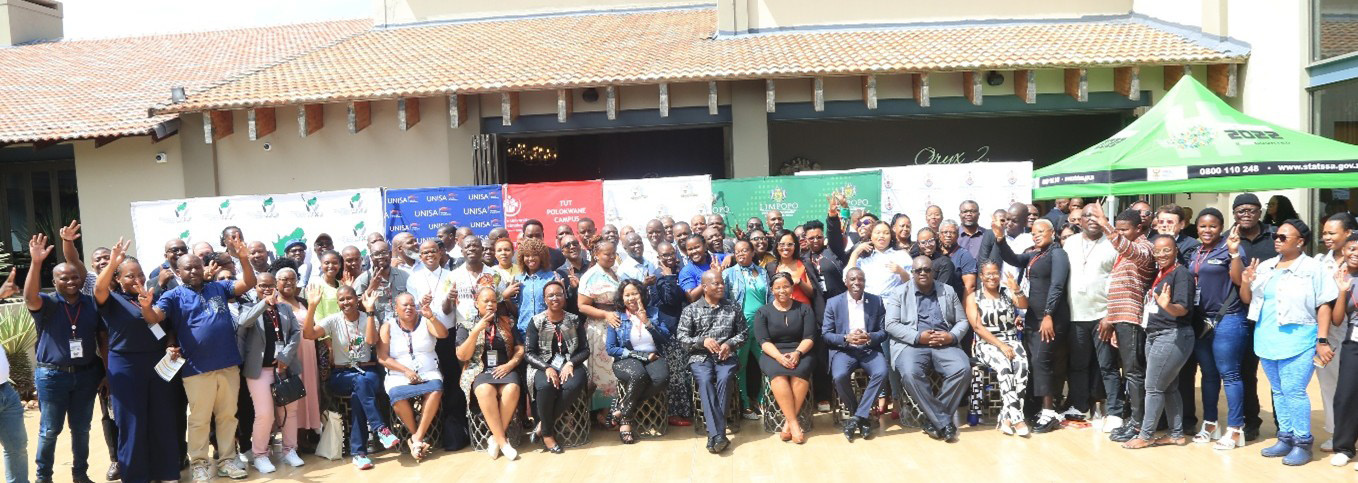
Conference delegates pose for a group photo
Convened under the theme “Governance, Growth and Geopolitics in the Digital Age: Strengthening State Capacity and Economic Resilience through Technological Transformation,” the conference explored the dynamic relationship between digital innovation, public sector governance, and sustainable economic development. The programme was structured around key thematic areas, including digital governance and state modernisation; building digital skills for a capable state; public sector innovation and cybersecurity readiness; STEM education and industrialisation in the knowledge economy; and geopolitical disruptions in the digital economy. Through keynote addresses, panel discussions, and parallel research sessions, the forum promoted interdisciplinary engagement and strengthened collaboration among academia, government, and development stakeholders.
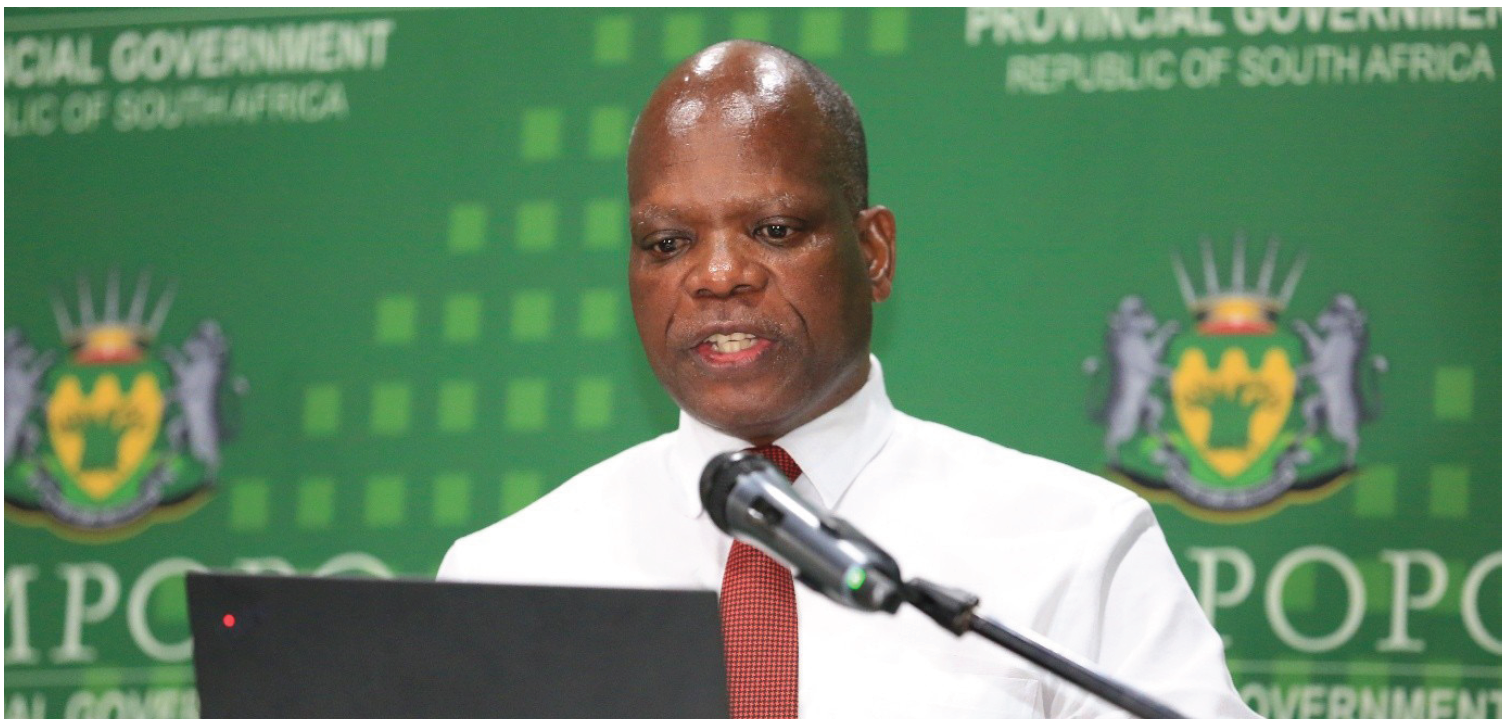
Officially opening the conference on behalf of the Premier of Limpopo, Mr Nape Solomon Nchabeleng, Director-General of the Limpopo Government and Administration, reiterated the complex and transdisciplinary nature of the conference theme. He noted that while the Fourth Industrial Revolution offers significant opportunities for economic growth and technological advancement, technology alone cannot guarantee equitable development. Instead, he empha-sised the need for deliberate policy direction, ethical governance, and strong institutional ca-pacity to ensure that digital transformation benefits society as a whole. Linking these priorities to South Africa’s developmental state agenda, he underscored the importance of implementing strategic frameworks such as the National Development Plan to address poverty, inequality, and industrialisation. He also called for strengthened collaboration among government, aca-demia, civil society, and the private sector to address pressing global and local challenges, in-cluding climate change, geopolitical tensions, environmental sustainability, and human rights.
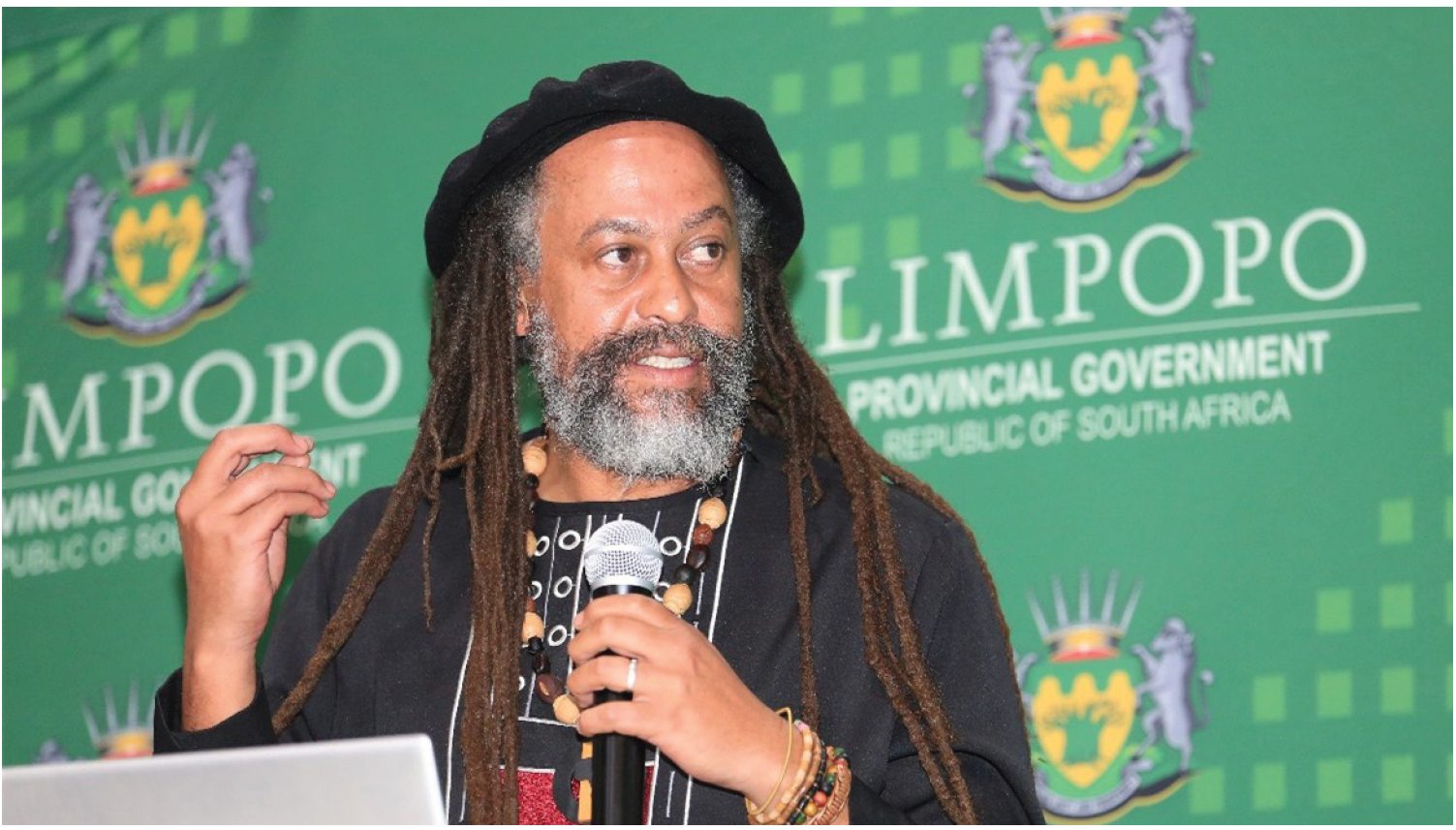
Delivering the keynote address, Adv Ras Sipho Mantula, a researcher at the Thabo Mbeki Af-rican School of Public and International Affairs, offered a thought-provoking reflection on the future of African governance in the context of natural resources, human security, and shifting geopolitical dynamics.
He argued that sustainable development in Africa must be anchored in the protection and ad-vancement of human security, particularly with regard to access to water, food, land, energy, and environmental sustainability.
Adv Mantula cautioned against the uncritical adoption of emerging technologies such as arti-ficial intelligence, urging policymakers and researchers to balance technological progress with the preservation and integration of indigenous knowledge systems. He further highlighted the intensifying global competition for natural resources and stressed the importance of ethical leadership, regional cooperation, and research-driven policymaking to position Africa strategi-cally within the global geopolitical landscape.
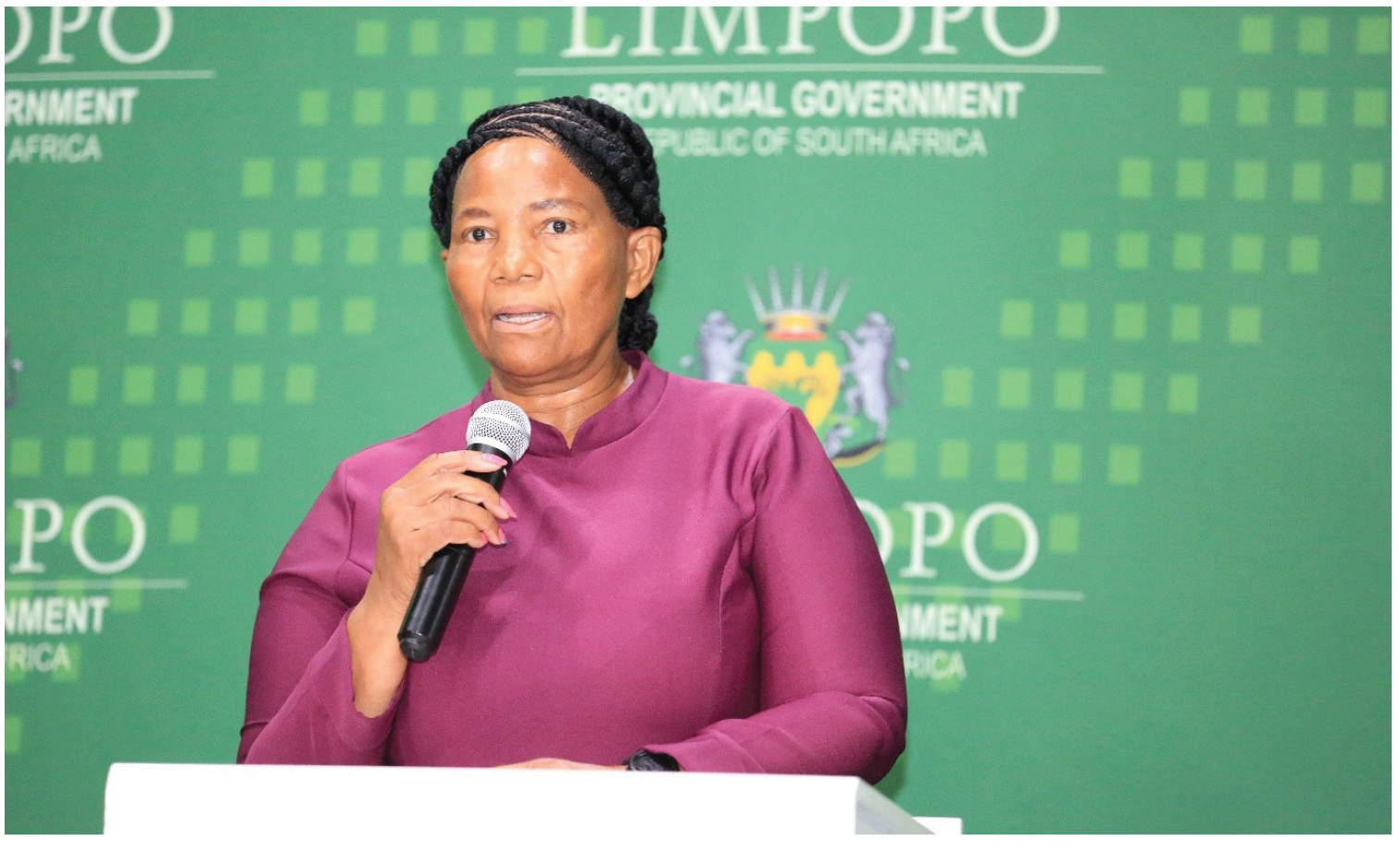
Welcoming delegates to the conference, Ms Sindisiwe Magwaza, Deputy Director-General for Planning, Coordination, Monitoring and Evaluation in the Office of the Premier, emphasised the importance of research partnerships in strengthening governance and public policy. She noted that platforms such as the Limpopo Research Forum create opportunities for mean-ingful collaboration between academia, government, and society, enabling the generation of knowledge that informs practical solutions to complex developmental challenges.
In an increasingly technology-driven world, she stressed that research and innovation remain critical tools for improving governance, enhancing service delivery, and building resilient institutions.
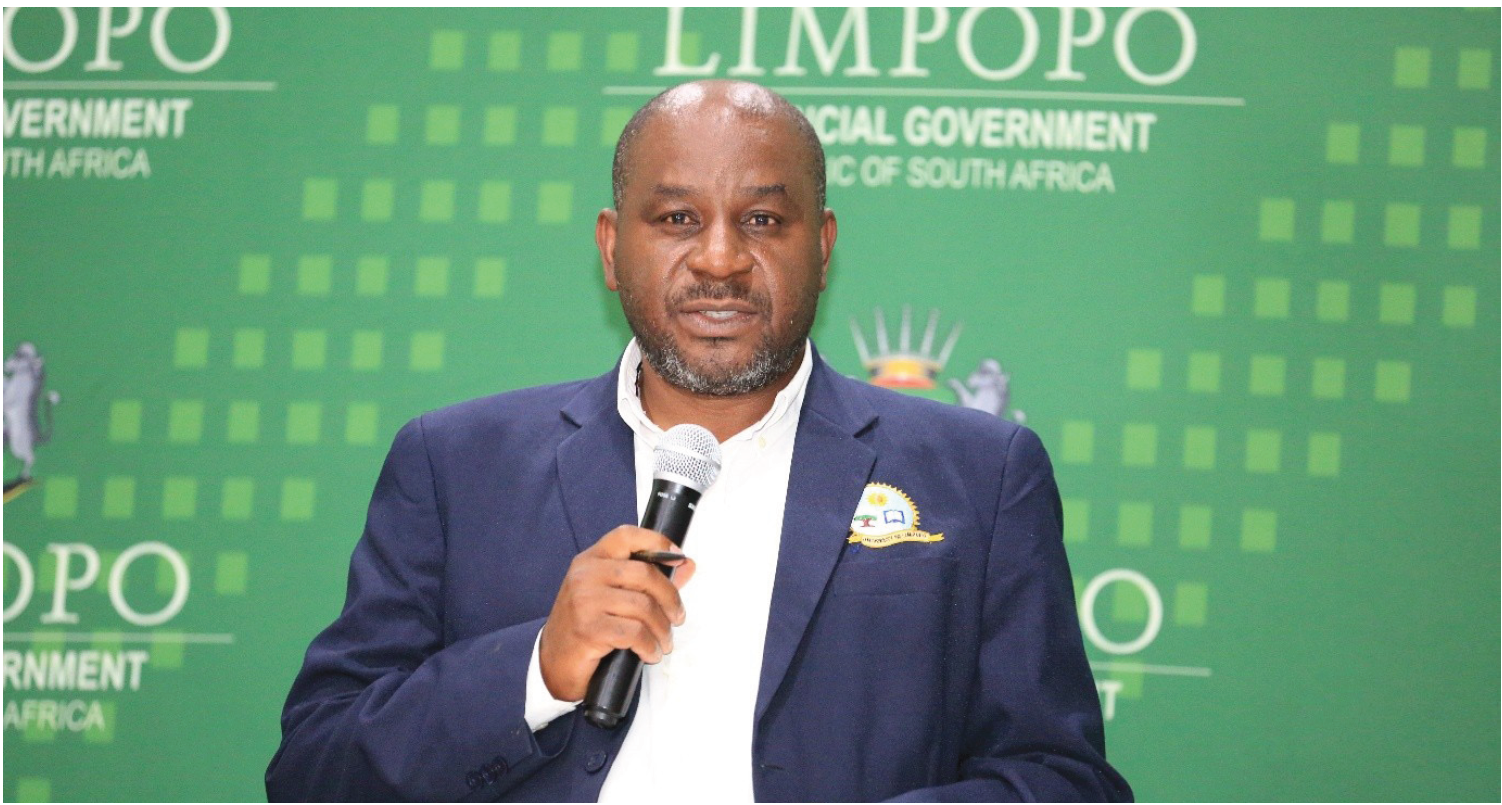
The conference also reflected on the growth and legacy of the Limpopo Research Forum itself. LRF Conference Chairperson, Dr Thembinkosi Mabila, paid tribute to Mrs Joyce Mokobi, the founder of LRF and Director of the Research and Development Unit in the Office of the Premier of Limpopo Province, for her visionary leadership and enduring contribution to promoting re-search collaboration within the province.
He noted that the Forum originated as a partnership between the Limpopo Provincial Govern-ment and local universities, established to promote research that directly informs policy and development. Over time, the Forum has evolved into a significant knowledge-sharing platform that bridges the gap between researchers and decision-makers, enabling evidence-based ap-proaches to address the province’s socio-economic challenges.
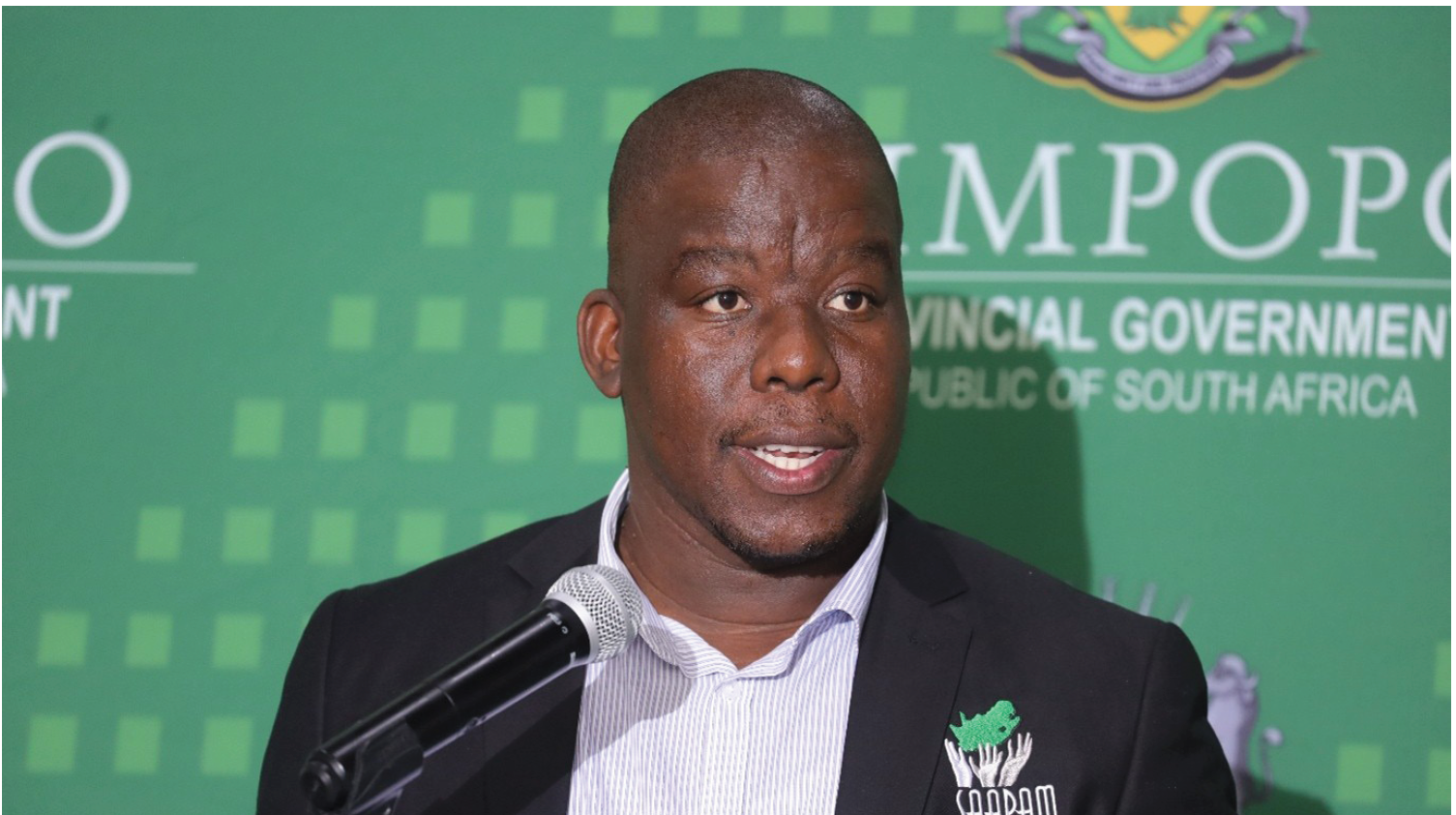
In a further address, Prof Kgothatso Shai, President of the South African Association of Pub-lic Administration and Management (SAAPAM), emphasised the centrality of professionalism, scholarship, and human capability in strengthening state capacity in the digital era. He re-affirmed SAAPAM’s role as the academic and professional home of public administration in South Africa, highlighting its contributions through accredited scholarship, journals, books, and developmental mentorship that bridge the gap between theory and practice. Reflecting on digital transformation within the public sector, Prof Shai argued that the failure of many digital initiatives is often not due to technological limitations but rather human and cultural barriers. He identified fear of the unknown, digital skills shortages, and resistance linked to job insecu-rity as major obstacles. Stressing that artificial intelligence and emerging technologies should complement rather than replace human capabilities, he called for leadership that promotes lifelong learning, continuous upskilling, and the ethical use of technology in governance.
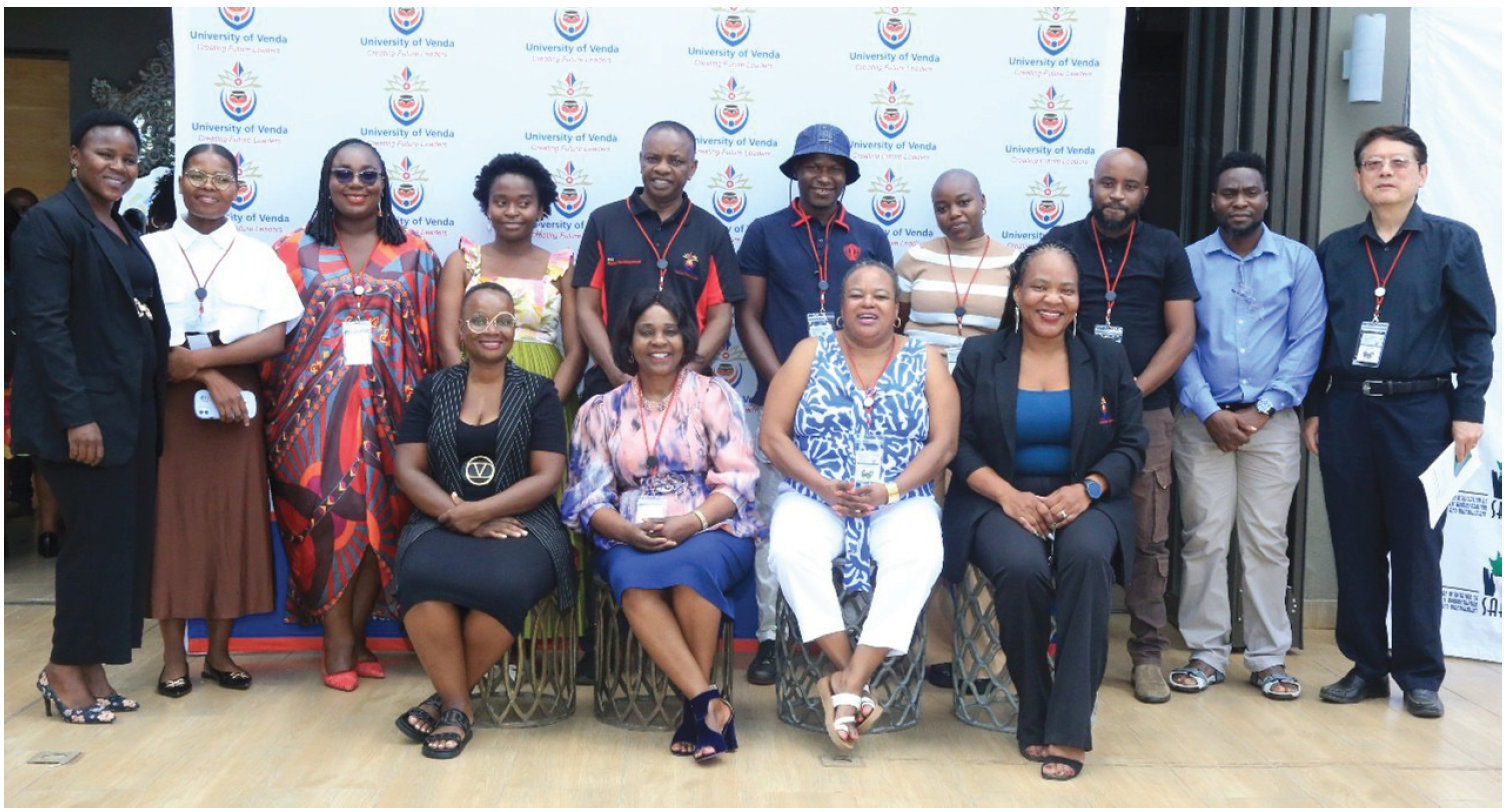
Some of the UNIVEN delegates pose for a photo
Following the keynote addresses, the conference transitioned to parallel sessions, where the University of Venda maintained a powerful presence, represented by distinguished scholars who delivered presentations on a wide range of topics and by vibrant, capable session chairs who facilitated parallel discussions. Their contributions addressed critical issues aligned with the conference themes, including digital governance, service delivery, digital skills develop-ment, economic resilience, and public-sector innovation. This active involvement was more than just participation; it enriched the conference discussions and underscored UNIVEN’s vital role in shaping policy research and technological transformation. By addressing these complex themes, UNIVEN demonstrated its growing influence as a leader in advancing research and policy dialogue that directly informs modern governance and technological transformation. The active participation of these scholars enriched the conference discussions and highlighted the University of Venda’s growing influence in advancing research and policy dialogue on gov-ernance and technological transformation.
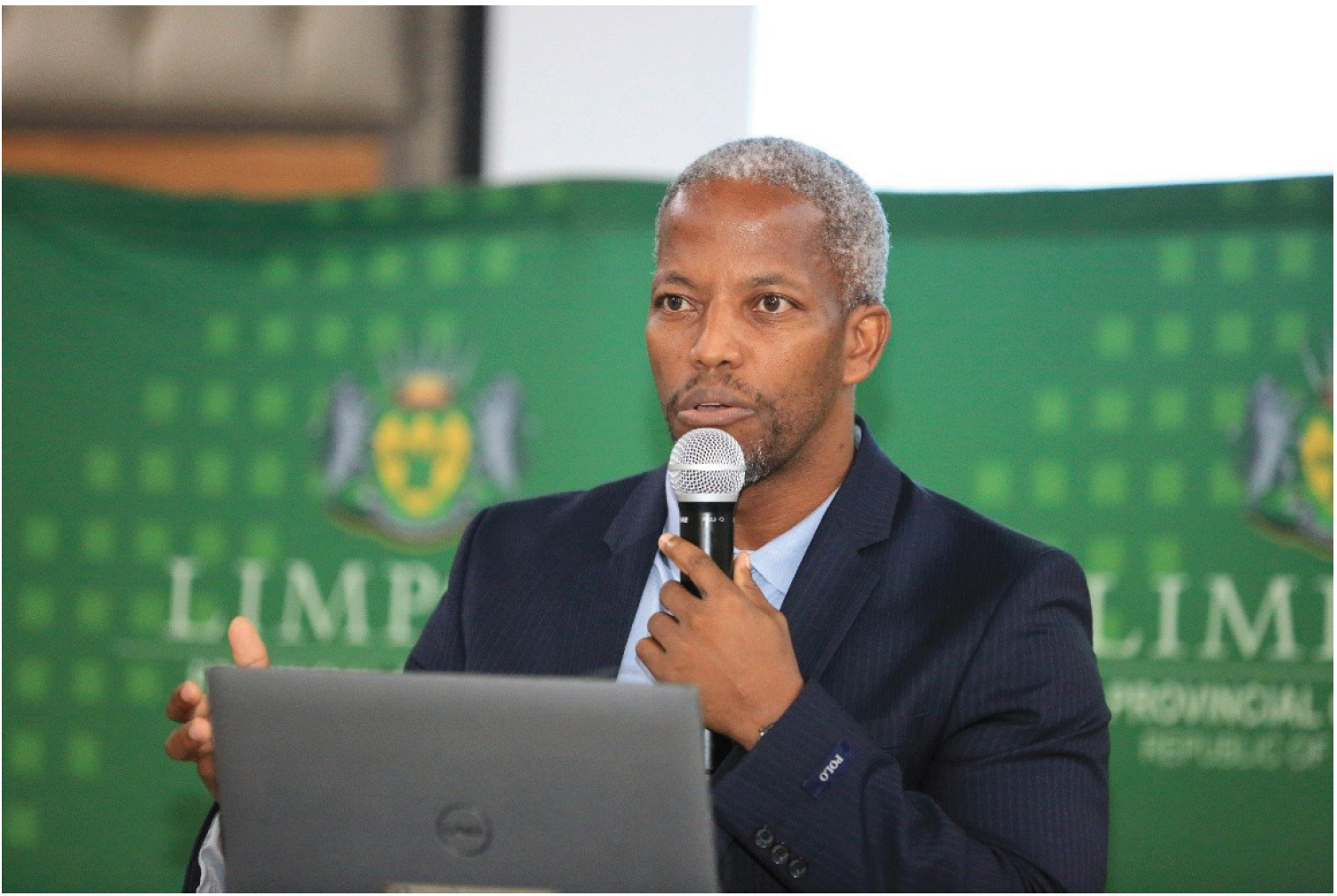
The conference concluded on Friday, 13 March 2026, with insightful reflections and for-ward-looking discussions. Highlights included a presentation by Dr Kgabo Ramoroka on re-search and development measurement in South Africa, focusing on the role of the Human Sciences Research Council’s Centre for Science, Technology and Innovation Indicators (HSRC/CeSTII) in advancing research and innovation.
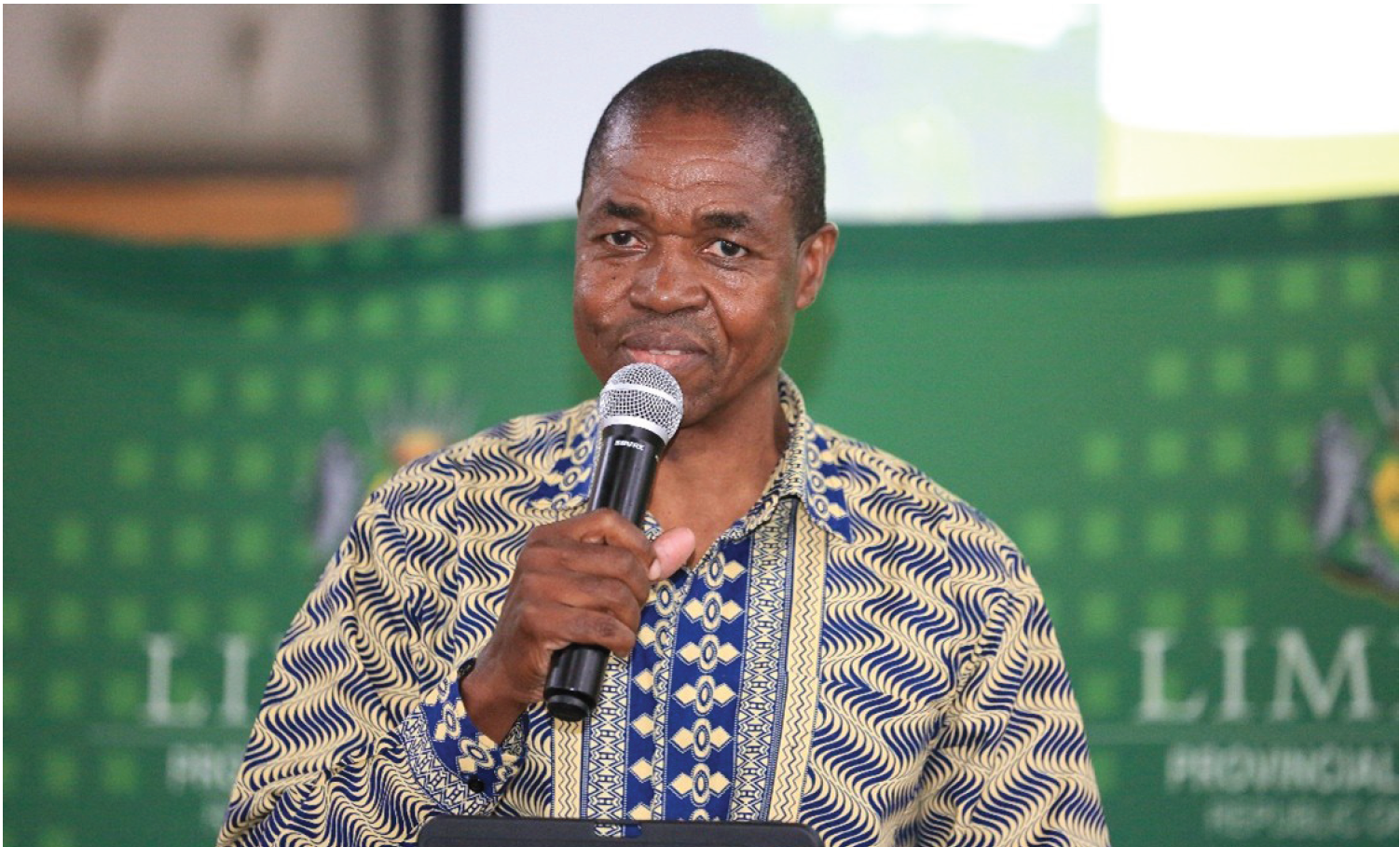
This was followed by an address by Mr Moses Ngobeni, Chief Executive Officer of the Limpopo Tourism Agency, who emphasised the strategic role of tourism in promoting regional economic growth. Advancing the broader theme of development.
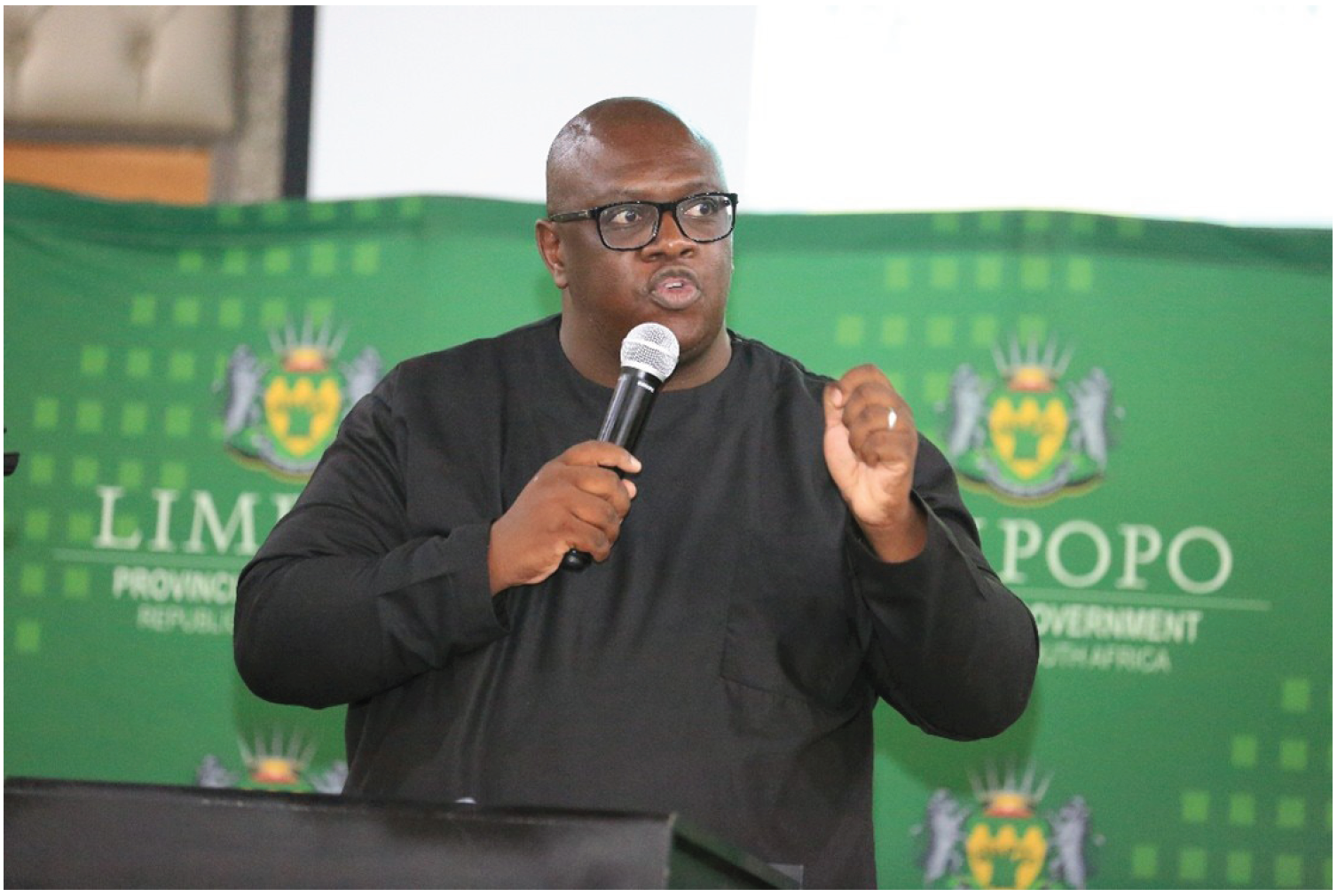
Adv Malepe Phillip Makobe, Acting Director-General of the Department of Planning, Monitoring and Evaluation (DPME), delivered a presentation on strengthening state capacity and econom-ic resilience through technological transformation.
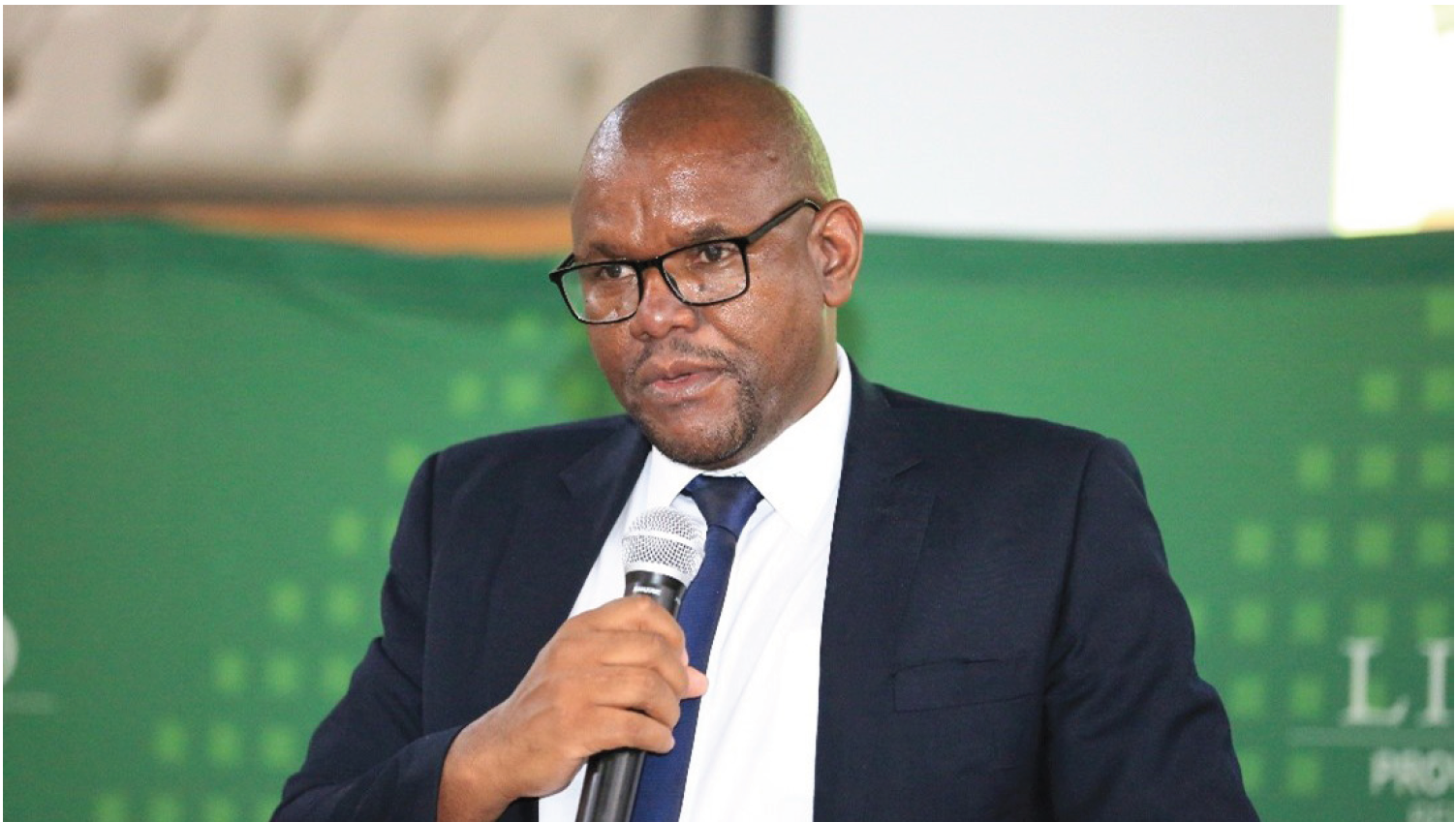
The conference concluded with official closing remarks by Prof Ricky Munyaradzi Mukonza, bring-ing the successful gathering to a close. In his closing remarks, Prof Mukonza thanked delegates and partners for their participation in the Third Annual Limpopo Research Forum Conference and reflected on the thought-provoking discussions that addressed governance, development challenges, public administration, and global issues. He emphasised the importance of collab-oration between government and higher education institutions, noting that research should influence policy and community development. Prof Mukonza also highlighted the need for in-terdisciplinary engagement, broader participation in future conferences, and greater support for emerging researchers, expressing optimism for an even stronger fourth annual conference.
Overall, the conference reaffirmed the importance of strengthening the relationship be-tween knowledge production and policymaking. Through robust dialogue and interdis-ciplinary engagement, participants explored innovative strategies to address complex development challenges while ensuring that technological transformation, governance reforms, and resource management remain aligned with the principles of sustainabili-ty, inclusivity, and human security. The insights, discussions, and recommendations gen-erated during the conference are expected to contribute meaningfully to shaping poli-cy responses and advancing development initiatives in Limpopo Province and beyond.
Issued by:
Department of Marketing, Branding and Communication
University of Venda
Tel: 082 868 2218 / 082 868 1811


