
In commemoration of Human Rights Day, the Ismail Mahomed Centre for Human and Peoples’ Rights at the University of Venda hosted a public lecture on 12 March 2026 at the Research Conference Centre under the theme “Human Rights from Below: Achieving Rights for True Community Development in South Africa.” The event featured a keynote address by Victor Mavhidula, Provincial Manager of the South African Human Rights Commission in Limpopo, who highlighted the importance of grassroots participation and community-driven initiatives in advancing the realisation of human rights and sustainable development. The lecture brought together students, academics and community members to engage in dialogue on practical strategies for promoting social justice and empowering local communities, emphasising the crucial role of both citizens and institutions in strengthening human rights from the ground up.
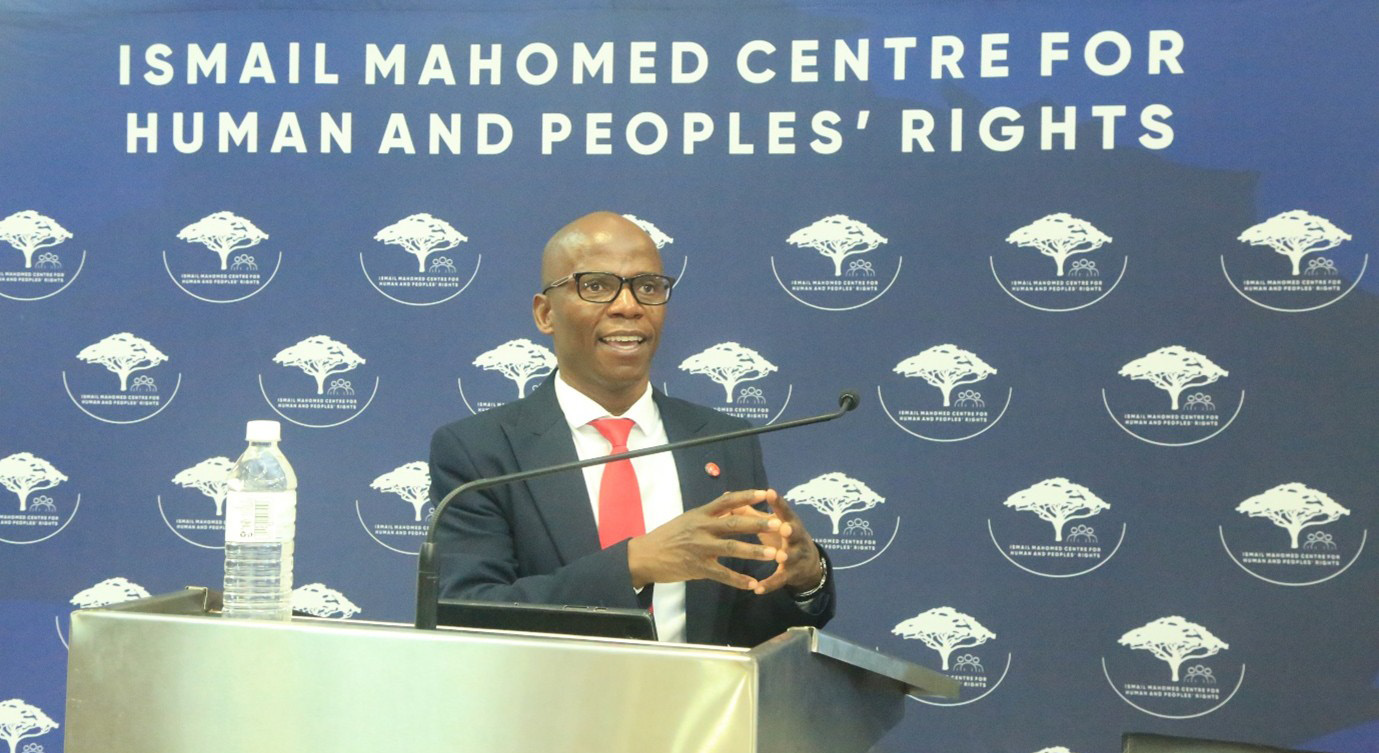
Mr Victor Mavhidula, Provincial manager, South African Human Rights Commission, Limpopo Provincial Office
Delivering the keynote lecture, Mavhidula encouraged the audience to reflect on the origins and meaning of human rights by posing questions such as, “What rights do people have and where do these rights come from?” and “Who gets to make decisions for others and on what basis?” He traced the historical foundations of the rule of law, citing the signing of the Magna Carta, which marked an important step in limiting the abuse of political power. Mavhidula also emphasised the role of cooperation in human progress, noting that “the reason why we survive is because we cooperate.” Reflecting on South Africa’s history, he explained that apartheid deliberately divided communities so that people “are not united.” He further reminded the audience that the struggle for rights came at great cost, including the Sharpeville Massacre, where “69 people were shot dead.” He concluded by stressing that development is closely linked to the protection of rights, stating that “you can’t develop any community without giving them their rights.”
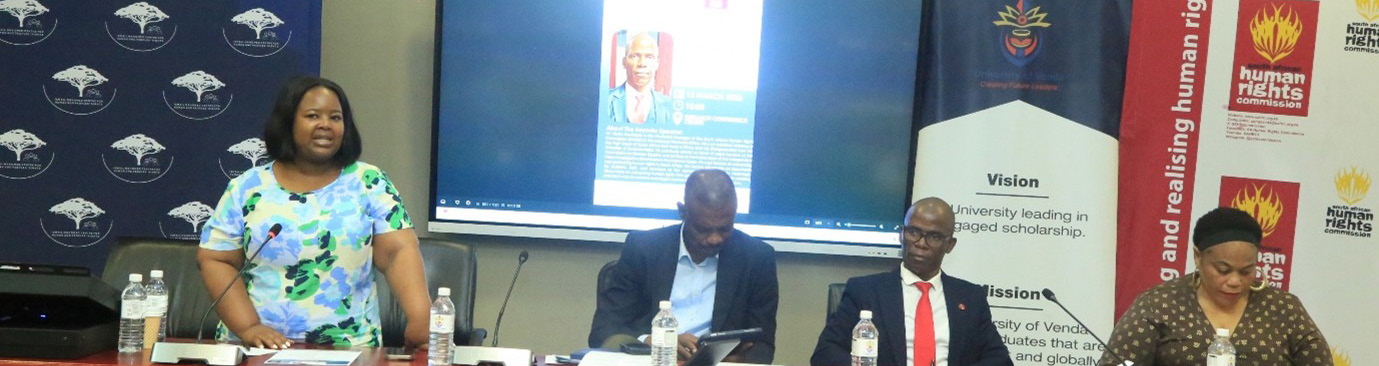
(L-R) Mrs Zama Mopai, Prof Ademola Oluborode Jegede, Mr Victor Mavhidula, and Dr Tondani Nethengwe during the Question and Comments session
Just after the keynote lecture, a discussion focused on the progress and challenges of human rights protection in South Africa, about 30 years after the Constitution of the Republic of South Africa was adopted by the Constitutional Assembly and signed into law. Participants raised concerns about common human rights complaints, particularly among youth, including access to education, abuse, disability discrimination, and lack of basic services such as water. The Human Rights Commission emphasised the importance of public education, community engagement, and accountability, while acknowledging ongoing challenges such as corruption, limited resources, land ownership issues, and the need to balance development with the preservation of cultural and traditional systems.
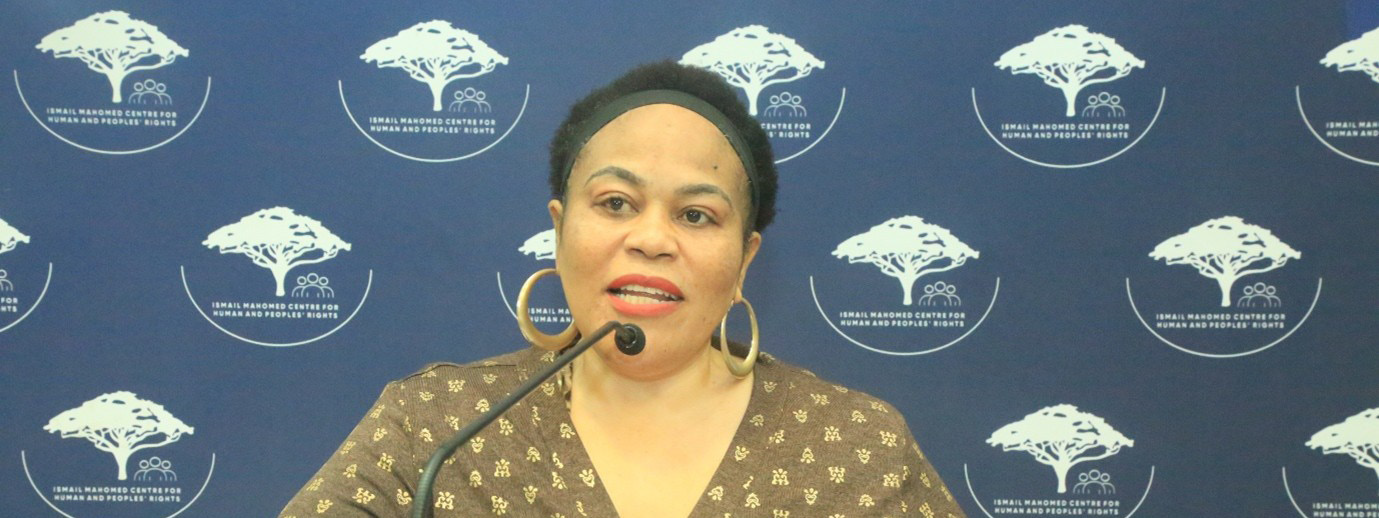
Dr Tondani Nethengwe, Head of the Department of Tourism and Hospitality Management, University of Venda
The programme began with a welcome address by Dr Tondani Nethengwe, who recognised representatives from South African universities, colleagues, students, and guests. She wel-comed participants to the public lecture organised by the Ismail Mahomed Centre for Human and Peoples’ Rights as part of the commemoration of Human Rights Day. In her remarks, she highlighted the university’s commitment to promoting dialogue on issues of justice and hu-man rights, noting that the lecture forms part of the institution’s efforts “to promote critical dialogue, academic engagement and community awareness on issues of human rights and justice.” She further emphasised that the university aims to develop responsible citizens who understand the importance of “human rights, dignity, equality and justice in a democratic so-ciety.” Dr Nethengwe also welcomed the keynote speaker and underscored the relevance of the lecture’s theme, explaining that human rights should not remain theoretical concepts but must become “lived realities for communities on the ground.” She concluded by encouraging meaningful engagement among students, academics and community members, expressing confidence that the lecture would inspire participants to contribute to “a more just and equi-table society.”
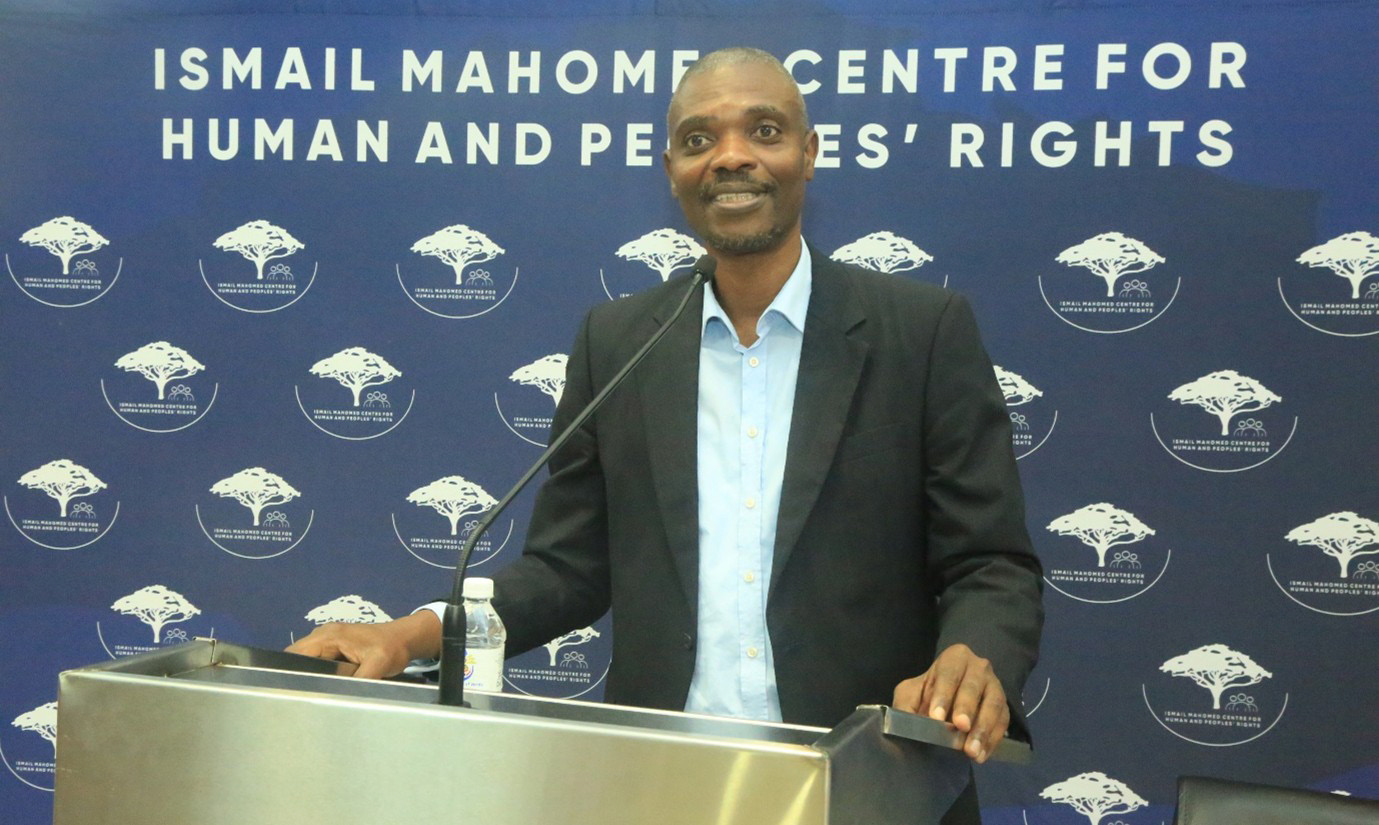
Prof Ademola Oluborode Jegede, Director of the Ismail Mahomed Centre for Human and Peoples’ Rights and DSTI/NRF SARChI Chair in Climate Change and the Rule of Law (CCRL)
Opening remarks were delivered by Prof Ademola Oluborode Jegede, who acknowledged the presence of colleagues, students, and guests and thanked participants for attending despite the challenging weather conditions. Prof Jegede reflected on the broader context of the lec-ture, noting that the year’s Human Rights Day theme, “Bill of Rights at 30: Making Human Digni-ty Real,” marks thirty years since the adoption of the Constitution of the Republic of South Afri-ca. He explained that the lecture topic encourages reflection on the meaning of “human rights from below,” focusing on whether rights are genuinely realised at the community level, where development matters most. According to him, South Africa’s history of racial discrimination under apartheid continues to influence present inequalities. He emphasised that the concept calls for prioritising the needs of marginalised communities and ensuring their active involve-ment in development processes. The theme also highlights issues such as poverty, inequality, and access to services, noting that “poverty is a significant barrier to community development.” He encouraged participants to reflect on the realities faced by communities today and to con-sider the most pressing human rights challenges at local levels.
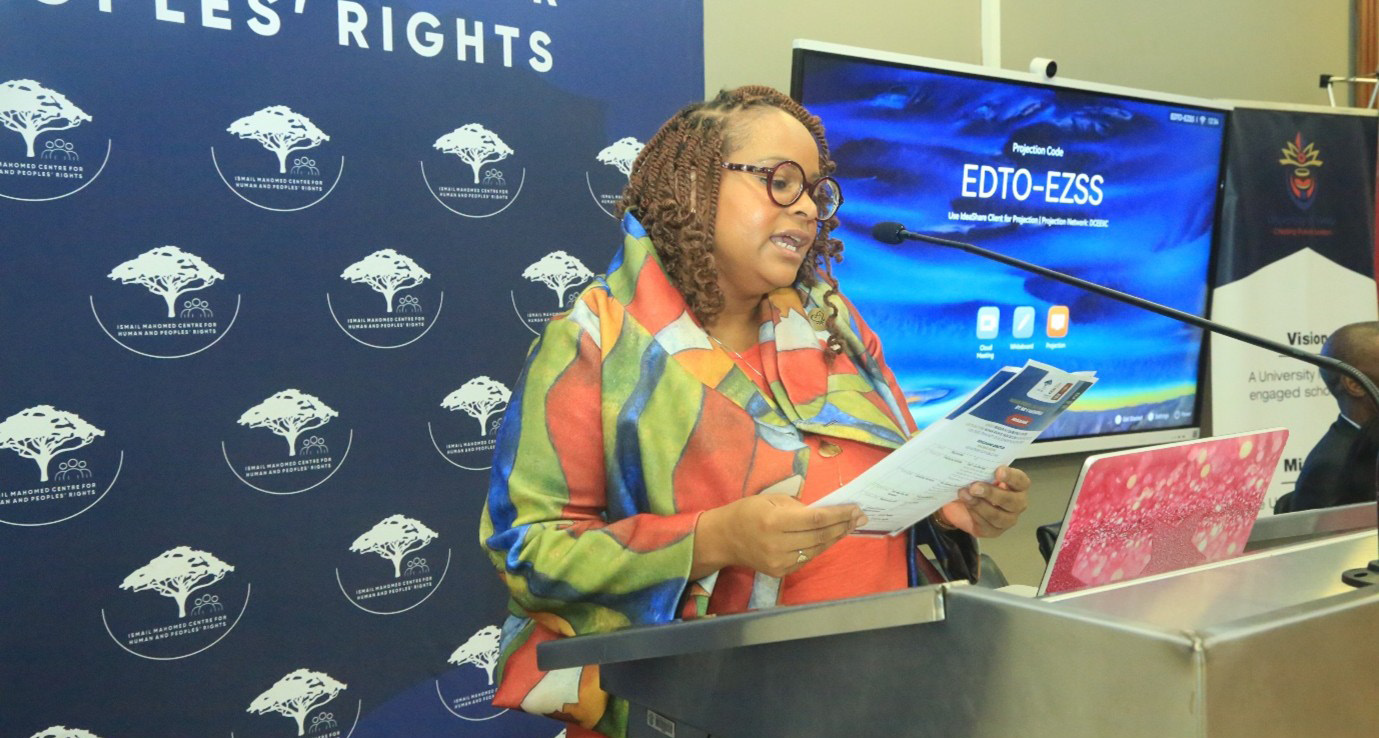
Dr Mantwa Madiba from the Department of Private and Mercantile Law
Dr Mantwa Madiba proposed a vote of thanks, expressing appreciation to all who contributed to the success of the lecture and thanked the keynote speaker for his insightful presenta-tion. Reflecting on the discussions of the day, she emphasised the importance of historical awareness, stating that “it’s important for us to know where we come from so that we can un-derstand where these rights were actually established.” She also highlighted the need to sus-tain dialogue on human rights, noting that “we need to continue the discussion about human rights.” Dr Madiba concluded by acknowledging the organisers, staff, students and participants whose contributions ensured a successful and meaningful public lecture.
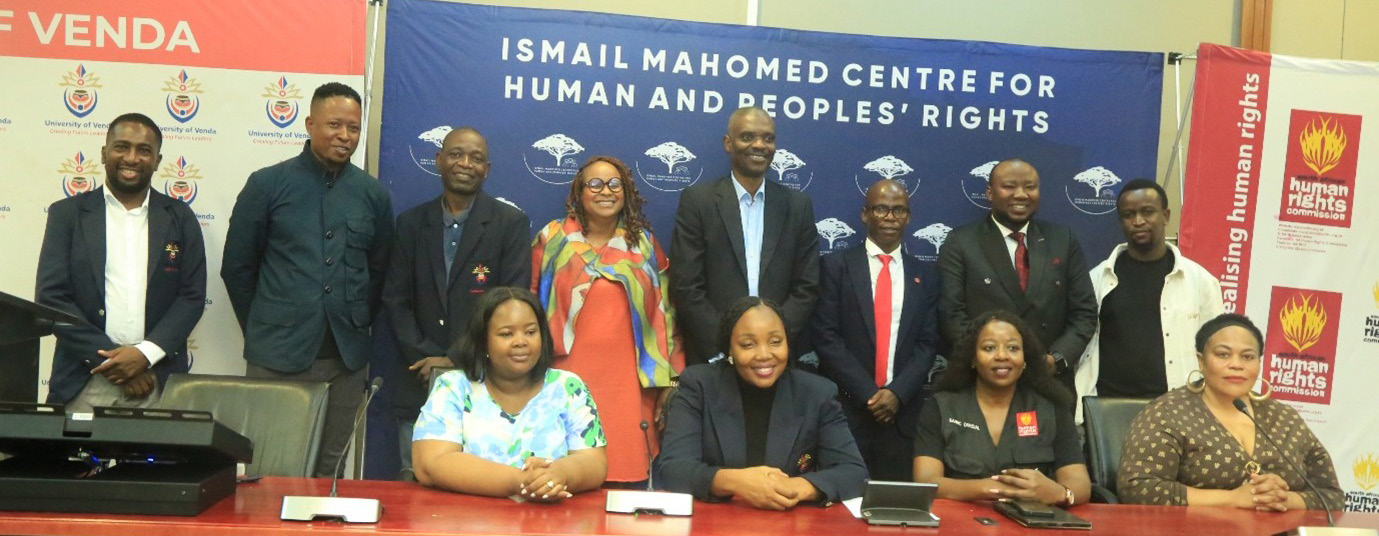
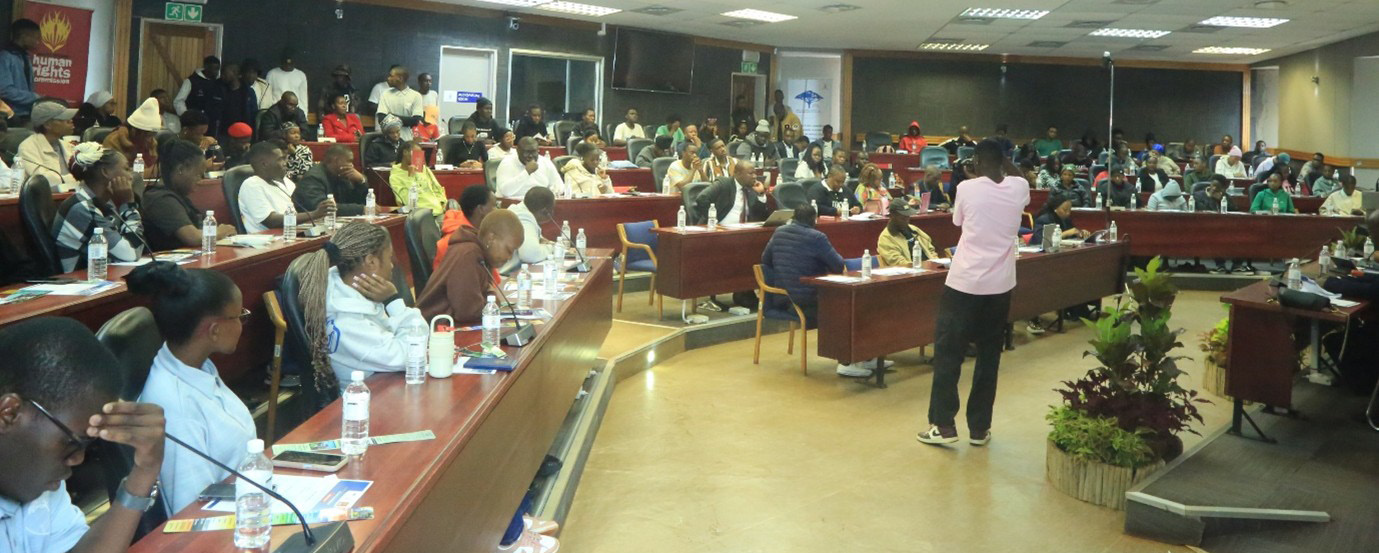
University of Venda Staff and guests
Issued by:
Department of Marketing, Branding and Communication University of Venda
Tel: 082 868 2218 / 082 868 1811


