
Cape Town, South Africa – The University of Venda (UNIVEN) played a pivotal role as a co-host of the Sustainability Research and Innovation (SRI2026) Africa Regional Conference, held at the Southern Sun Cape Sun hotel from 24-26 June 2026. This was a landmark gathering that brought together more than 300 researchers, policymakers, innovators, grassroots community representatives, development practitioners, students and sustainability experts from across Africa and beyond to advance African-led solutions for sustainability transformation. The conference featured fi ve plenary sessions and 54 breakaway sessions held across diff erent venues and meeting rooms.
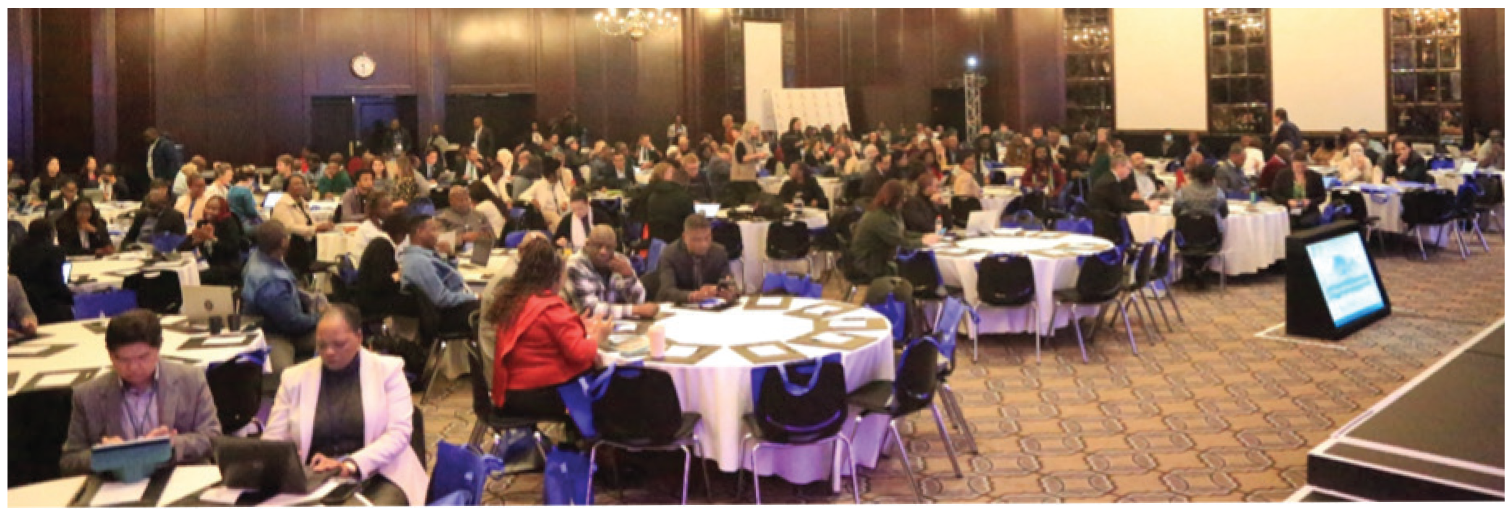
SRI2026 Africa Regional Conference participants during the opening ceremony
Convened under the theme, “Advancing African-led Solutions for Sustainability Transformation,” the conference was hosted by the National Research Foundation (NRF), as the secretariat for the Future Earth Africa Hub and its Leadership Centre, in partnership with UNIVEN. The event underscored Africa’s growing infl uence in shaping global sustainability discourse while accelerating locally relevant responses to challenges such as climate change, biodiversity loss, food and water insecurity, public health, social inequality, and sustainable economic development.
The University of Venda’s role as a co-host followed its successful response to the NRF’s call for Expression of Interest (EoI) in 2025 and refl ected the institution’s strategic positioning as a leading contributor to Africa’s sustainability science agenda.
Its involvement was further strengthened through its co-leadership of the Future Earth Africa Hub Southern Africa Regional Node, where it collaborated with regional and continental partners to advance sustainability science, strengthen science-policy interfaces and foster multi-stakeholder partnerships across Africa.
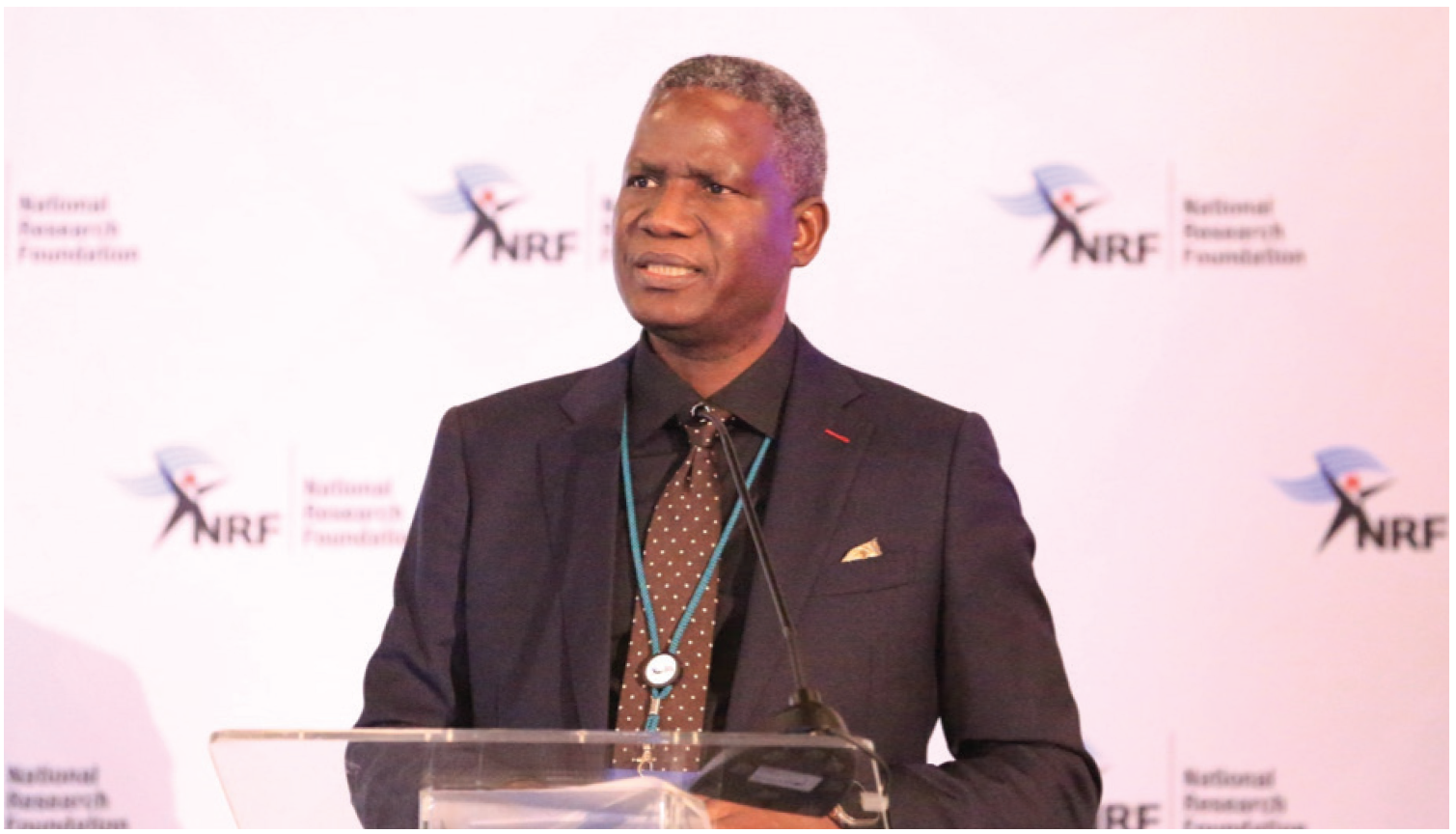
Prof Bernard Nthambeleni
In his contribution during the offi cial opening of the conference, UNIVEN Vice-Chancellor and Principal, Prof Bernard Nthambeleni, described the gathering as a defi ning moment in Africa’s sustainability journey. He pointed out that “Africa is not merely a benefi ciary of global sustainability initiatives. It is a driver of transformative change. The solutions we seek must be grounded in African realities, informed by indigenous knowledge systems, strengthened by science and shaped through collaboration with communities.”
Prof Nthambeleni further highlighted the evolving role of universities as catalysts for innovation and societal transformation, emphasising that institutions of higher learning should move beyond traditional knowledge production to become ecosystem leaders that address real-world challenges.
This message resonated strongly throughout the conference, where delegates repeatedly emphasised the need to move beyond knowledge generation towards co-knowledge that transformed lives. While acknowledging Africa’s growing scientifi c capacity, participants highlighted persistent challenges, including inadequate investment in research and innovation, weak science-policy integration, and fragmented institutional systems. Another recurring call was for stronger, more inclusive science-policy interfaces to ensure that research findings are translated into meaningful action and policy implementation.
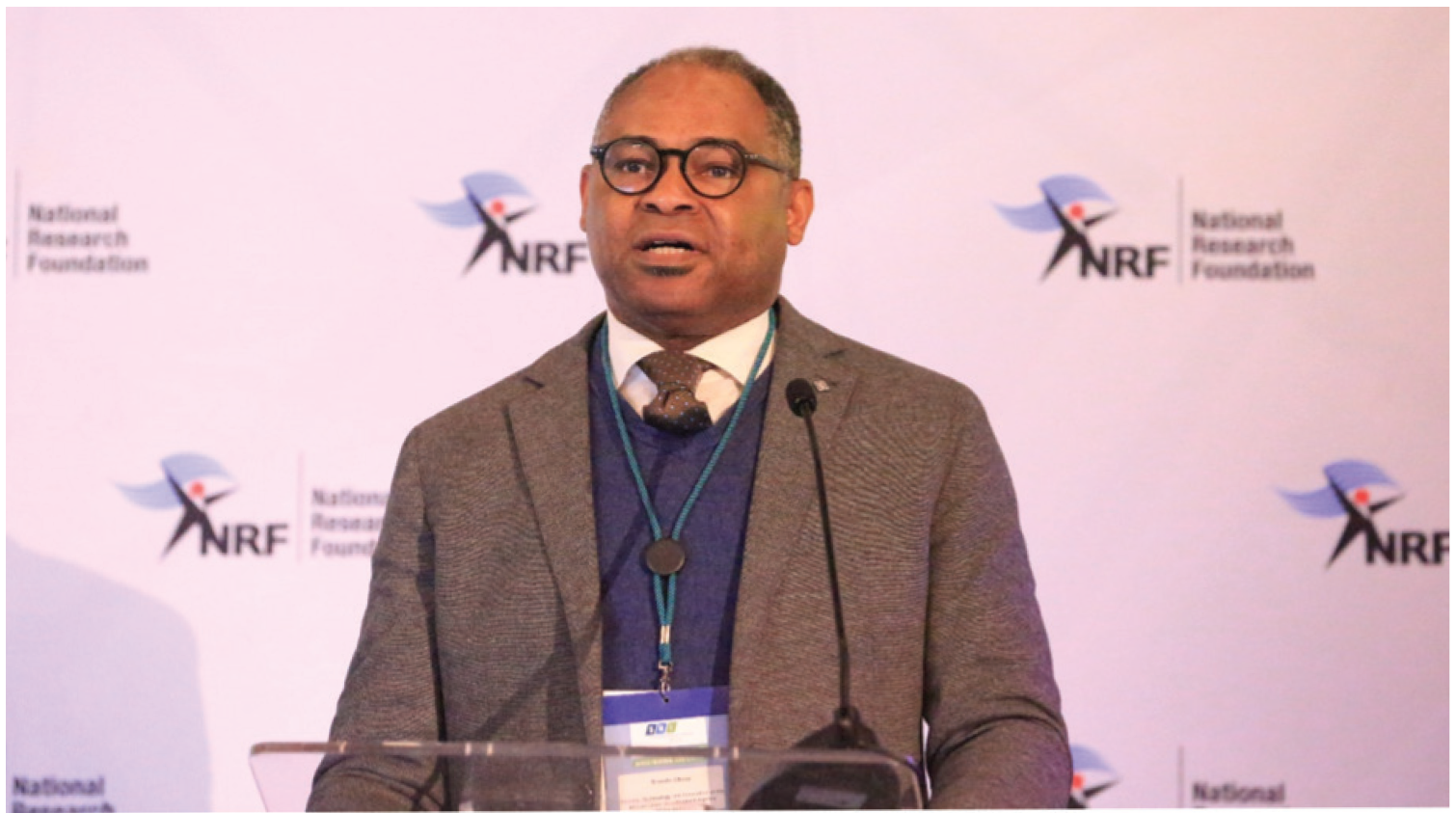
Prof Brando Okolo
In his keynote address, Prof Brando Okolo, Head and Senior Advisor on Science Technology and Innovation at AUDA-NEPAD, emphasised that the sustainability challenge is no longer the generation of scientifi c evidence, but rather ensuring that such evidence meaningfully shapes policy and practice. He argued that stronger mechanisms are needed to bridge the gap between knowledge production and decision-making, while also equipping policymakers to effectively utilise research findings.
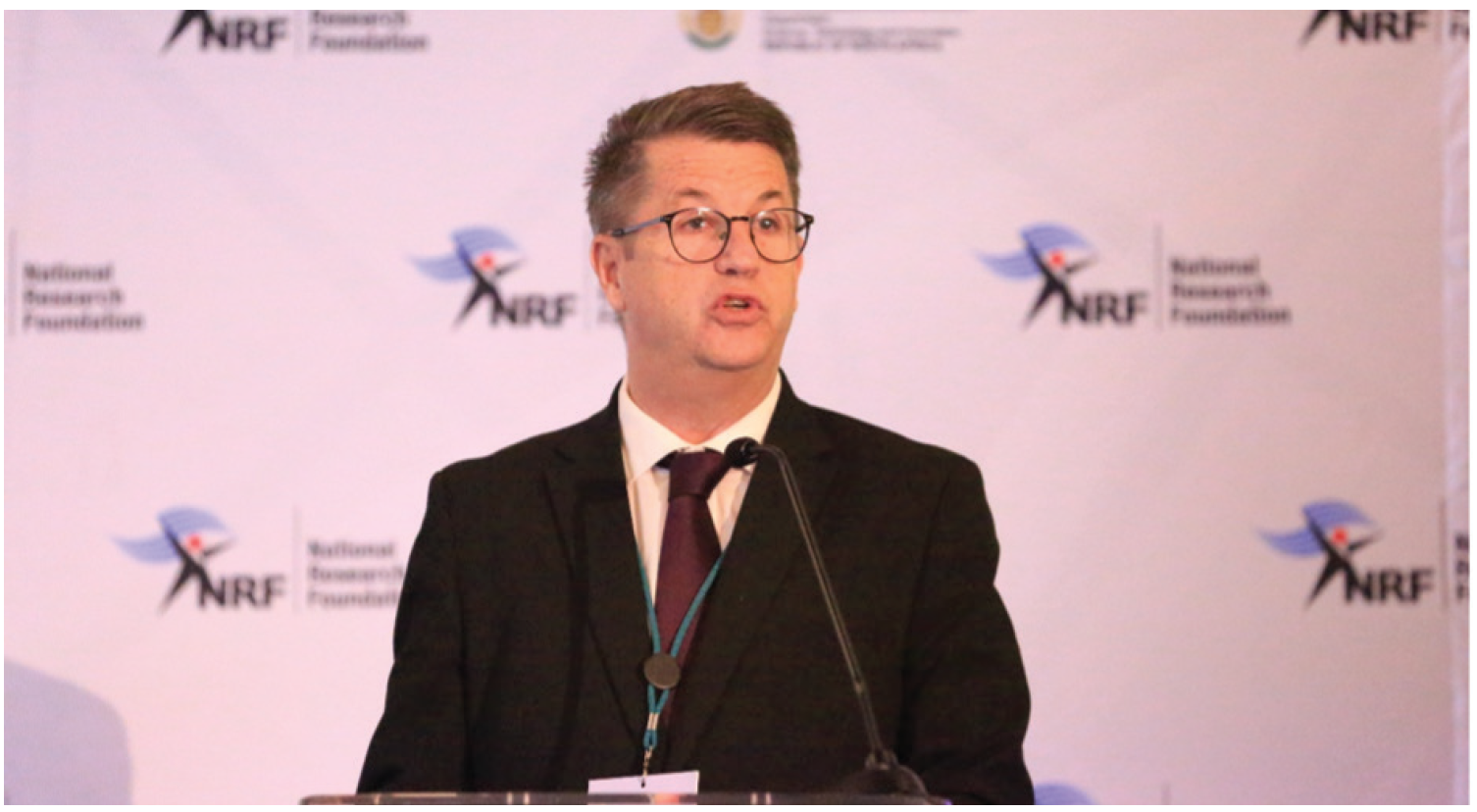
Dr Angus Paterson
Reinforcing this perspective, the interim NRF CEO, Dr Angus Paterson, highlighted his institution’s commitment to sustainability research in its Strategy 2030. The latter prioritises support for African researchers developing solutions with tangible societal impact. A major intellectual contribution to the discussions that unfolded later came from UNIVEN through a series of sessions showcasing the institution’s distinctive approach to community-engaged scholarship and sustainability transformation.
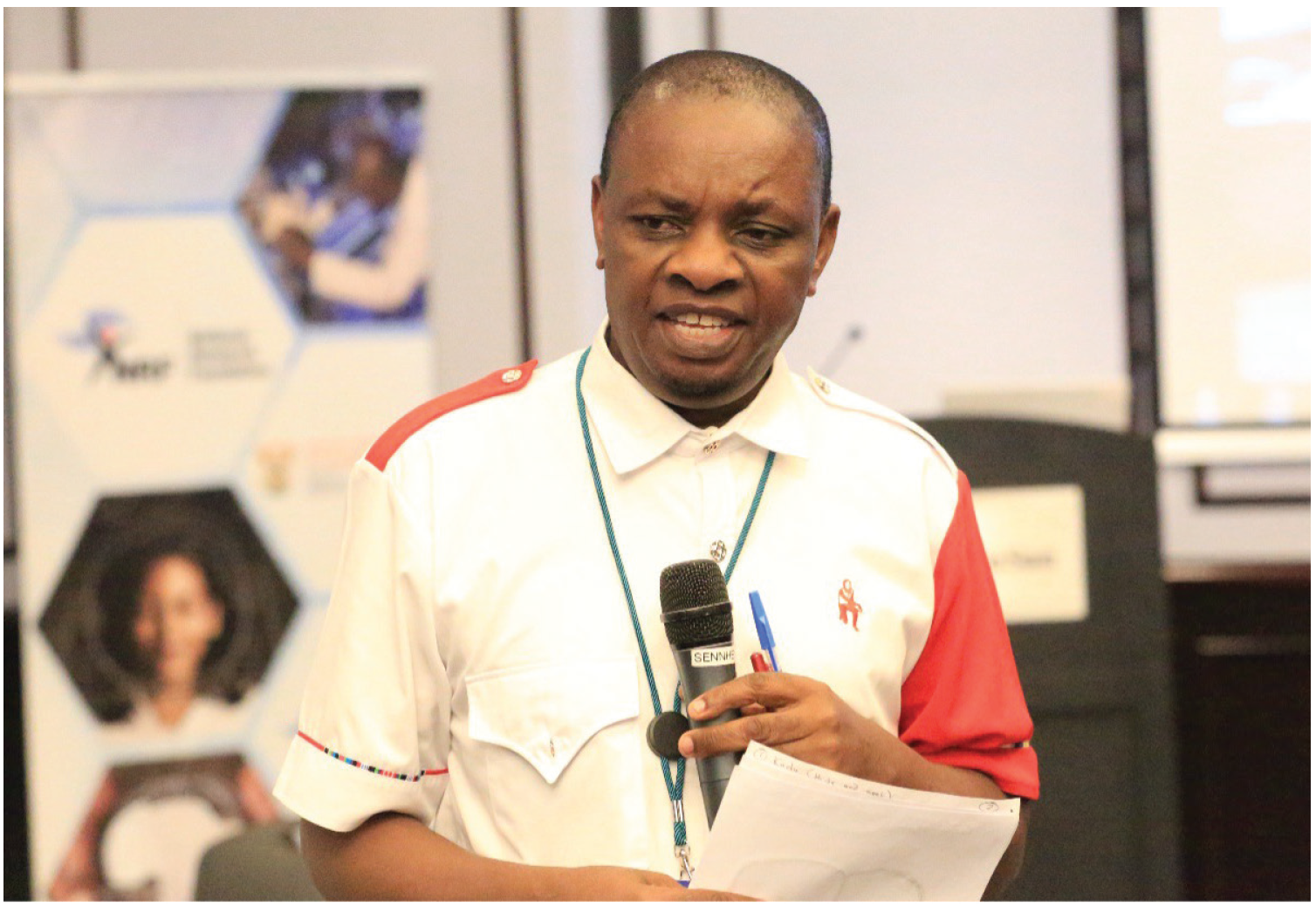
Prof Joseph Francis
One of the conference’s most engaging and unique sessions was led by Prof Joseph Francis, Director of the Institute for Rural Development (IRD) at the University of Venda (UNIVEN). Through a dynamic blend of African heritage-based engagement tools, interactive games, innovation challenges, and participatory learning approaches. The IRD team, comprising academics, students, interns, and traditional leaders, showcased how the Sustainable Development Goals (SDGs) are being localised within communities under Traditional Authorities across the Vhembe District of South Africa.
The session challenged conventional top-down development models by presenting communities not as recipients of development but rather as active architects of their own futures. Conference participants were introduced to a practical framework of gendered, structured community deliberations that bring together children, youth in and out of school, adults, the elderly, and traditional leaders to assess the extent to which SDGs were achieved and opportunities for co-creating locally relevant solutions.
This facilitated the generation of community-owned knowledge, strengthening of collective agency, and production of actionable insights that inform both local interventions and broader development strategies.
Throughout the session, it was clear that sustainable development is most eff ective when communities become co-designers, co-producers and co-implementers of change. Traditional leadership institutions were highlighted as critical platforms for convening dialogue, mobilising collective action, safeguarding indigenous knowledge and advancing locally driven development. Thus, it was not surprising that traditional leaders who were part of the co-facilitation team spoke positively about the UNIVEN approach to localising SDGs. They noted its refreshing departure from conventional research practices in which communities are often excluded from decision-making platforms. This collaborative model ensures that research outcomes are relevant, locally owned, and more likely to be sustained over time.
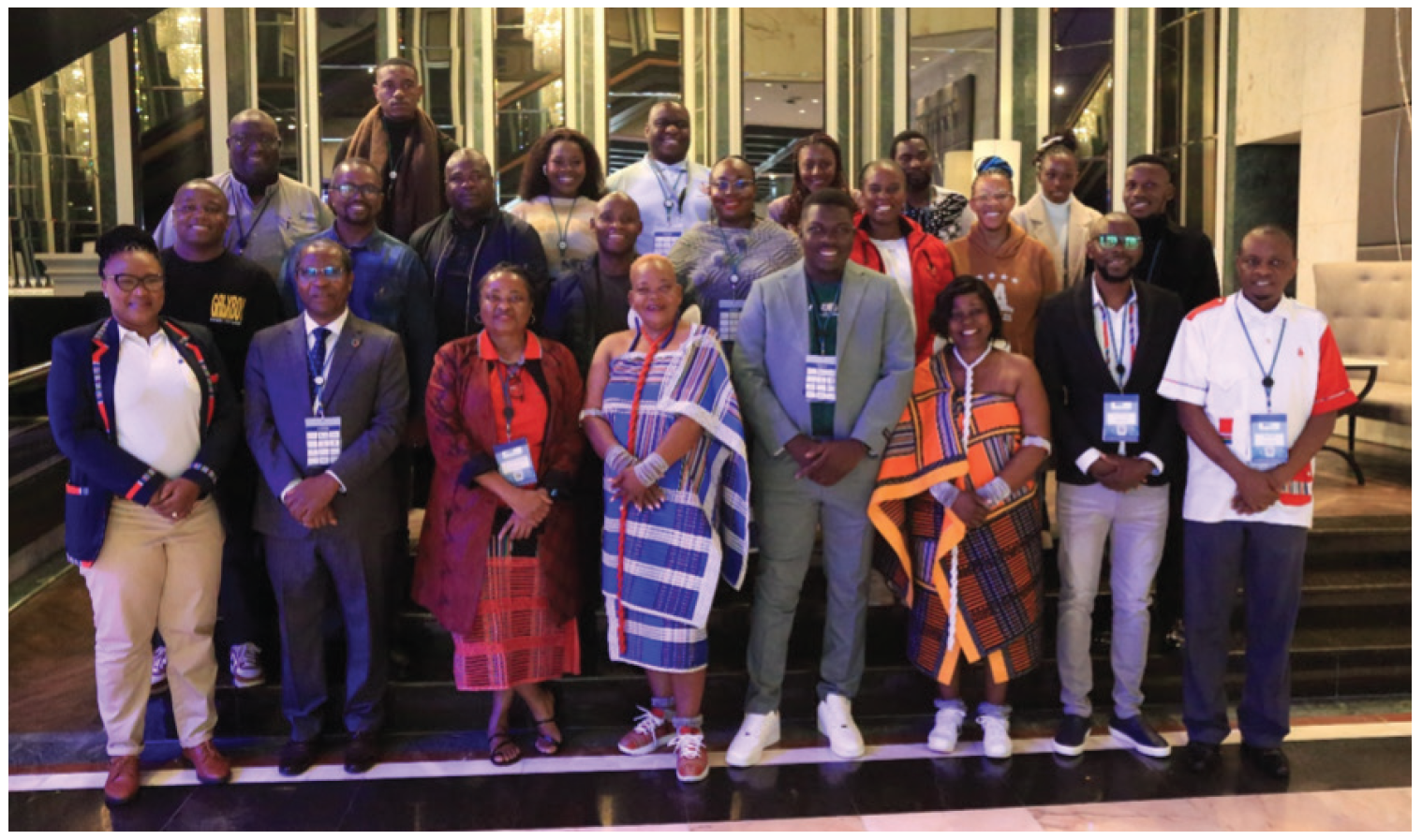
SRI 2026 Africa Regional Conference participants from UNIVEN
From 21 to 23 June 2026, the conference also saw the active participation of students in both the organisation and presentation of conference activities. These included Mr Nedzungani Mutshidzi and Ms Tumiso Kobola, who are both fourth-year students registered for the Bachelor of Indigenous Knowledge Systems programme; Ms Nkateko Sombane, a Master’s student in Rural Development; Ms Refi loe Rametse and Ms Xolani Shaun Mashego, who serve as a research assistant and an intern, respectively, at the Institute for Rural Development. Their participation refl ects the University of Venda’s commitment to providing students with transformative learning opportunities that promote academic excellence, experiential learning, research capacity, and active engagement in knowledge generation and societal development.
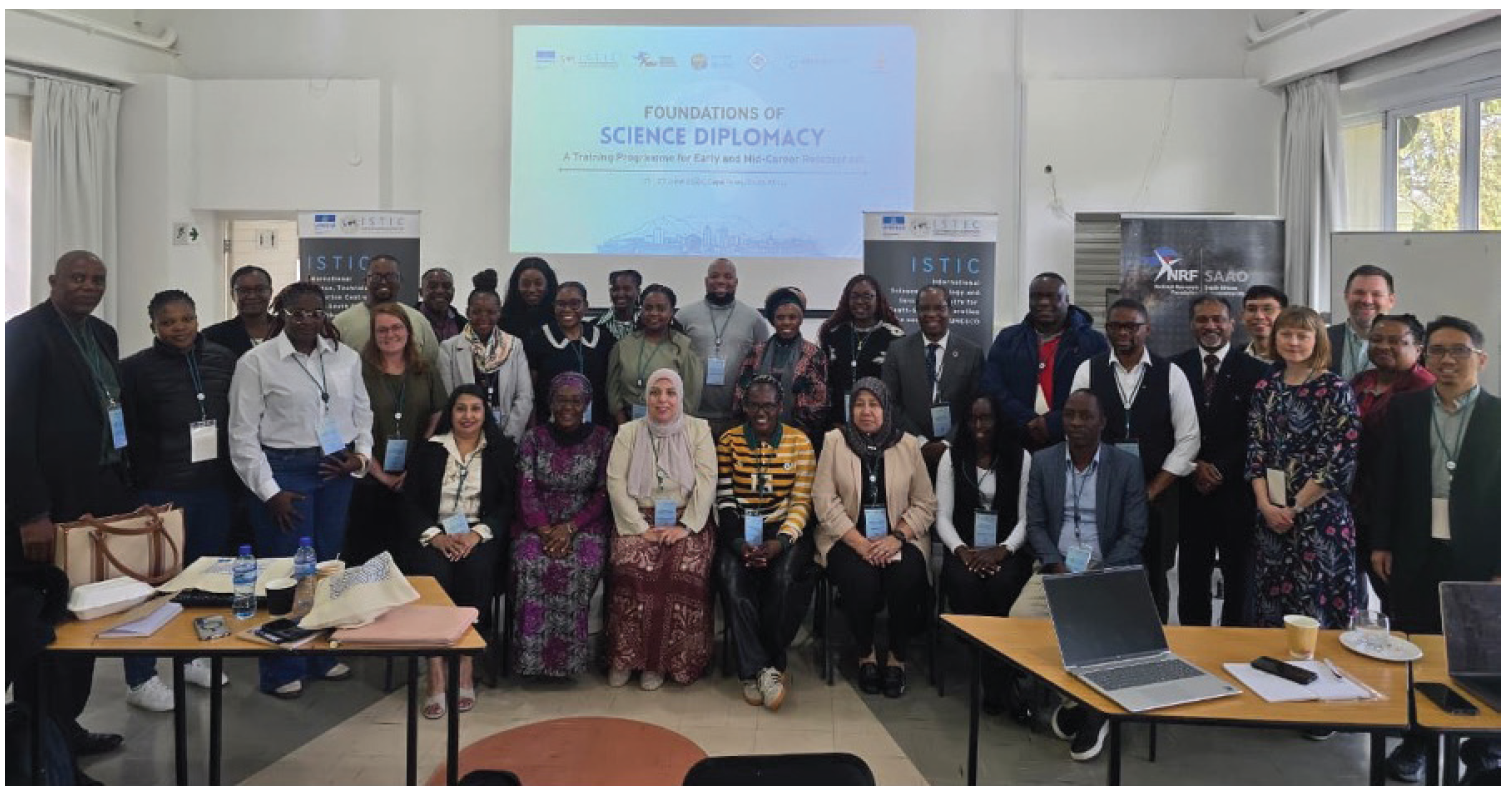
Participants during the Science Diplomacy workshop
Before the main conference programme, UNIVEN researchers, Prof Vhonani Olive Netshandama, Dr Segun Obadire, Dr Nyadzani Dolphus Nevhudoli, Mr Matome Mokoena and Mr Rudzani Mamphweli participated in a Science Diplomacy Workshop for Emerging and Mid-Career Researchers, convened by the Future Earth Africa Hub and its global partners. The workshop explored the growing role of science diplomacy in bridging science, policy, and international cooperation, while strengthening Africa’s infl uence within global sustainability governance processes. It highlighted the importance of science diplomacy in advancing South-South collaboration, amplifying African voices in international policy arenas and ensuring that sustainability solutions emerging from the continent help shape global agendas. The institutional capacity to connect scientifi c knowledge with policy engagement and international partnerships in support of African-led development pathways was strengthened through participation throughout the conference. The science diplomacy workshop provided valuable insights into communicating science eff ectively at the nexus of policy, funding, and societal impact, thereby strengthening their ability to translate research into meaningful societal and policy outcomes.
The workshop provided an intensive exploration of the “art and craft” of science diplomacy, focusing on the transition from technical expertise to eff ective policy infl uence through interest-based negotiation, audience-centred communication, and strategic relationship building. Through practical exercises, participants mastered writing short policy briefs and delivering 60-second “science pitches” that transform data into urgent, human-centred narratives. The signifi cance lies in gaining a transferable toolkit, including horizon scanning and policy translation that enables the shift from domain expert to credible “bridge” between research and action. The workshop off ers a roadmap for breaking down institutional silos and improving internal decision-making by applying diplomatic skills to committee work and departmental negotiations. Ultimately, for Africa, the workshop serves as a catalyst for regional empowerment, equipping African scientists to anchor their research in continental priorities such as the African Union Agenda 2063 and to negotiate more equitably in global forums, ensuring that local solutions are developed for local challenges.
Throughout the SRI2026 conference, a clear message emerged: Africa is not short of solutions. Across its universities, grassroots communities, governments, entrepreneurs and indigenous knowledge systems lies a wealth of expertise, creativity and resilience capable of addressing the continent’s most pressing challenges. The priority now is to strengthen partnerships, unlock investment and accelerate the conversion of knowledge into measurable impact. Against this backdrop, UNIVEN stood out for leading in science, with and for society, and for its centrality in development and innovation. Furthermore, through its co-hosting role and contributions to community-centred sustainability research, UNIVEN demonstrated how locally grounded institutions can infl uence global conversations while remaining deeply connected to the realities of local communities.
As Africa increasingly takes the centre stage in the global sustainability transformation, UNIVEN is not merely contributing to the conversation; it is helping to lead it.
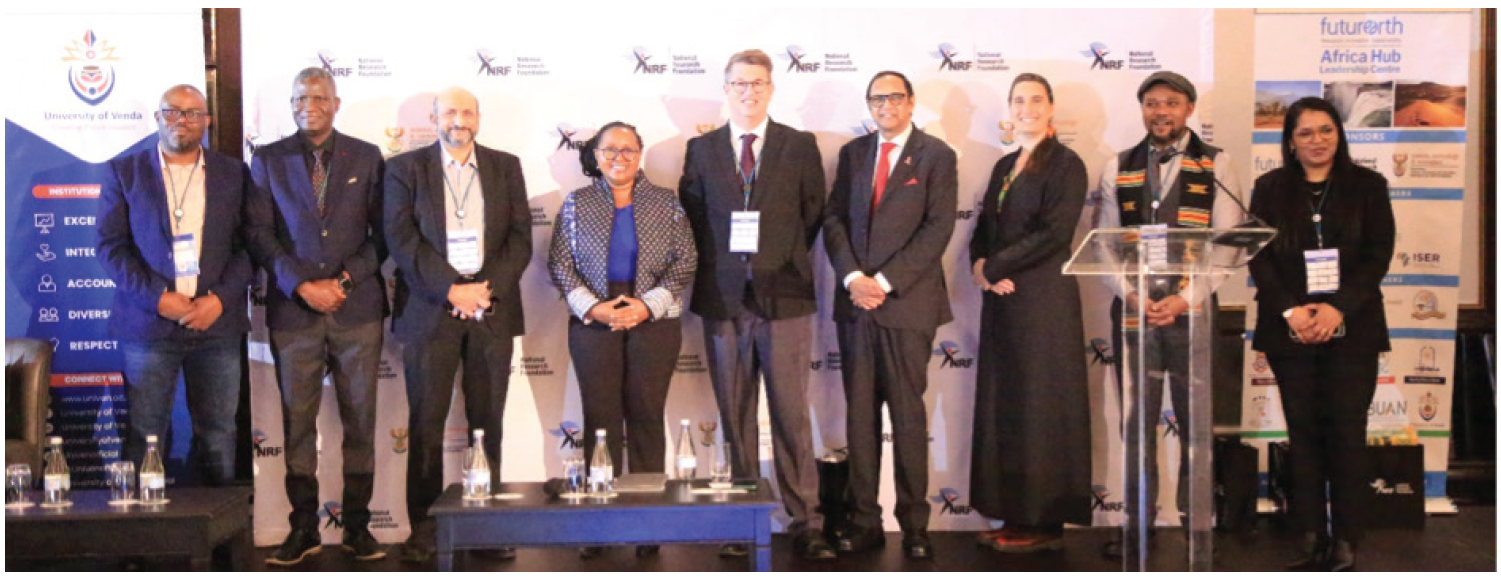
In the picture: Prof Bernard Nthambeleni (second from left) poses for a photograph with fellow dignitaries and speakers during the opening ceremony.
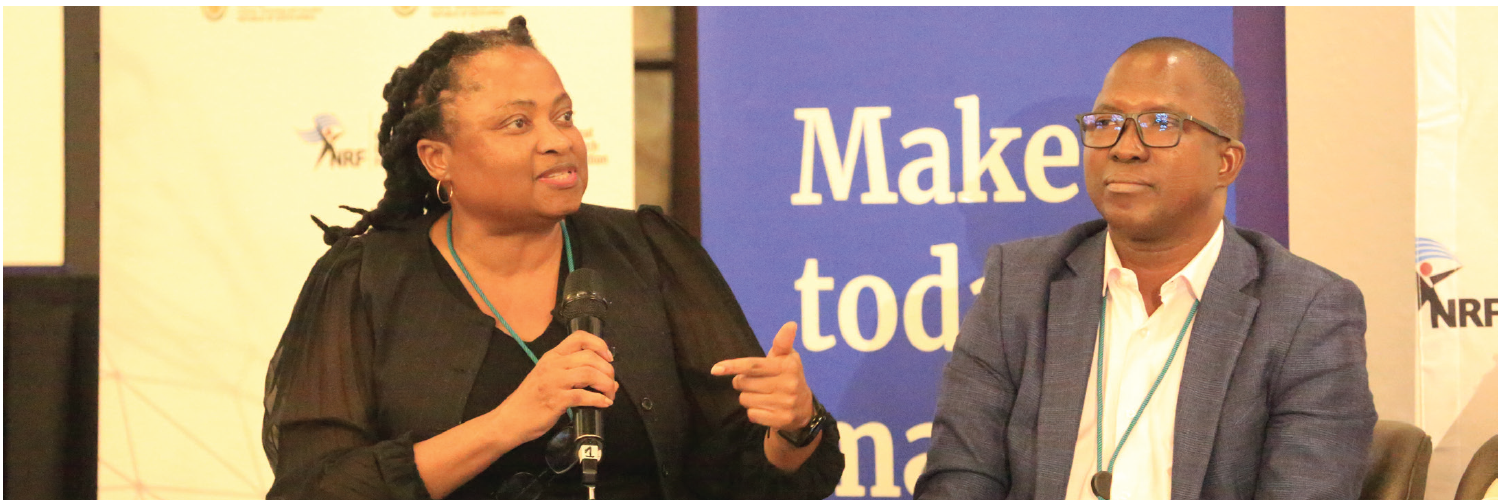
Prof Vhonani Netshandama (left) deliberating during Plenary 5 of the SRI Conference: Bridging Africa’s Regional Strengths – A showcase of Collaborative Innovation
Issued by:
Department of Marketing, Branding and Communication University of Venda
Tel: 082 868 2218 / 082 868 1811


