
The University of Venda (UNIVEN) has reaffirmed its position as a leading institution in African language scholarship and research by successfully hosting the 30th International Conference of the African Association for Lexicography (AFRILEX) from 1 to 4 July 2026 at the Education Building Hall. The landmark conference brought together leading academics, researchers, lexicographers, language practitioners and technology experts from across Africa and beyond to explore innovative approaches to advancing African languages through lexicography, artificial intelligence and digital technologies. The conference also served as a platform for sharing cutting-edge research, fostering collaboration and identifying sustainable strategies for preserving, developing and promoting African languages in the digital era.
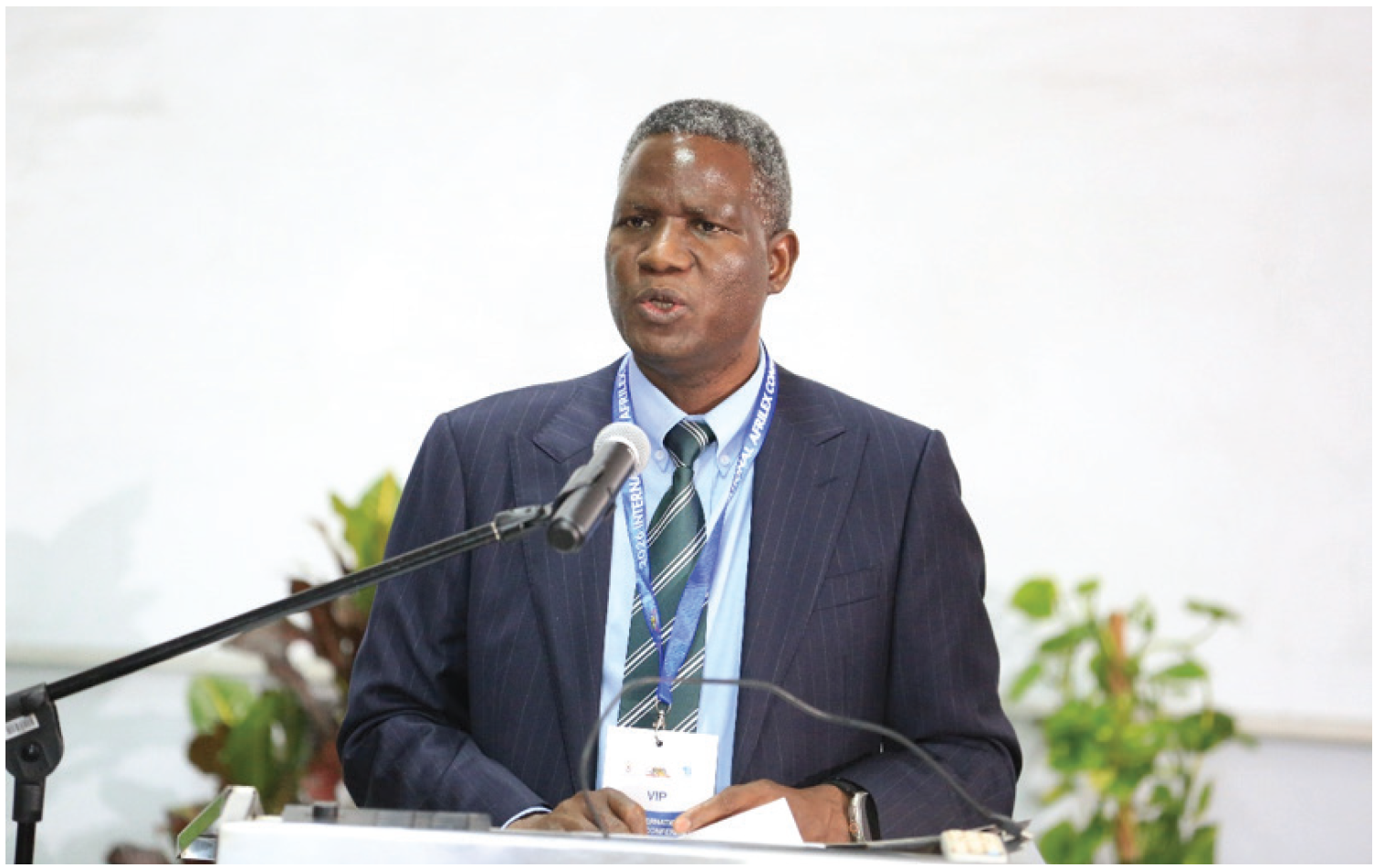
In the picture: Prof Bernard Nthambeleni, Vice-Chancellor and Principal of the University of Venda
Officially opening the conference, the Vice-Chancellor and Principal of the University of Venda, Professor Bernard Nthambeleni, warmly welcomed all attendees to the 30th International AFRILEX Conference. In his address, he highlighted the significance of the conference theme, which celebrates three decades of African lexicography while reaffirming the vital role of dictionaries, terminology development, language documentation, and multilingualism in preserving African languages, promoting cultural identity, advancing research, and expanding access to knowledge. Professor Nthambeleni further emphasised that lexicography extends beyond compiling words and defining meanings; it is a powerful tool for preserving cultural heritage, supporting education, and fostering social and economic development.
Professor Nthambeleni also reaffirmed the University of Venda’s commitment to African language development, research excellence, community engagement, and international collaboration. Reflecting on the University’s long-standing partnership with AFRILEX and its role in hosting national lexicography units, he encouraged delegates to use the conference as a platform to share knowledge, strengthen partnerships, embrace digital innovation, and shape the future of African lexicography.
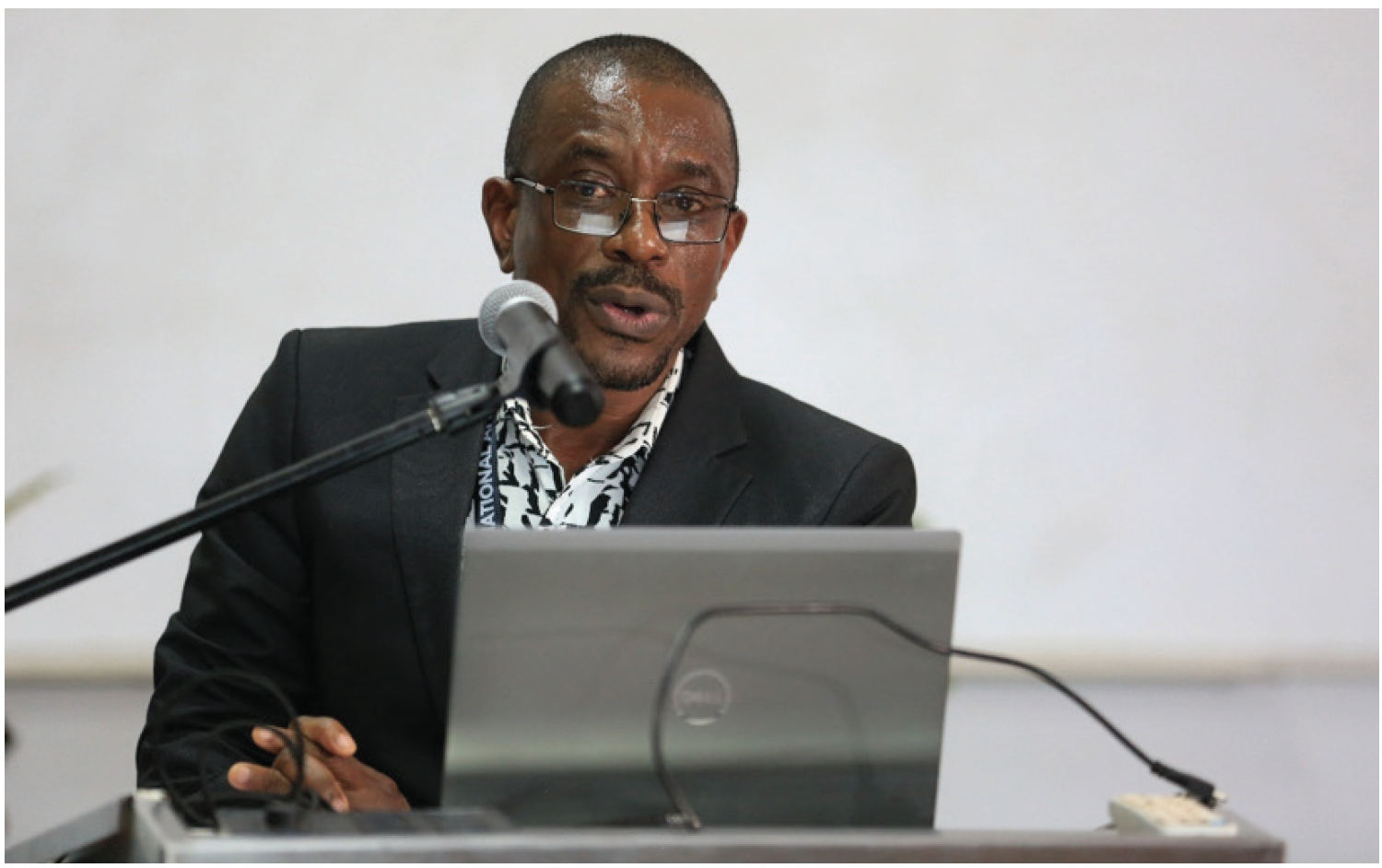
In the picture: Prof Dion Nkomo, AFRILEX President
Alongside, Prof Nthambeleni opening, AFRILEX President Prof Dion Nkomo, joined the Vice-Chancellor in warmly welcoming delegates to the 30th International AFRILEX Conference, expressing gratitude to the University of Venda for hosting the conference for the second time since 2006. He described the gathering as an important opportunity to celebrate three decades of African lexicographic achievements while reflecting on future directions in the fi eld, particularly in response to rapid technological advancements and artificial intelligence.
He emphasised that the conference would provide a platform for scholarly exchange, collaboration, and innovation through keynote addresses, research presentations, special sessions, and roundtable discussions involving experienced lexicographers, publishers, teachers, and National Lexicography Units. Professor Nkomo also highlighted the importance of strengthening partnerships between lexicography and education to promote a sustainable dictionary culture, acknowledged the valuable contributions of the conference organisers, keynote speakers, delegates, and publishers, and paid tribute by observing a moment of silence to the late honorary AFRILEX member Dr Johan du Plessis for his lifelong contribution to African lexicography.
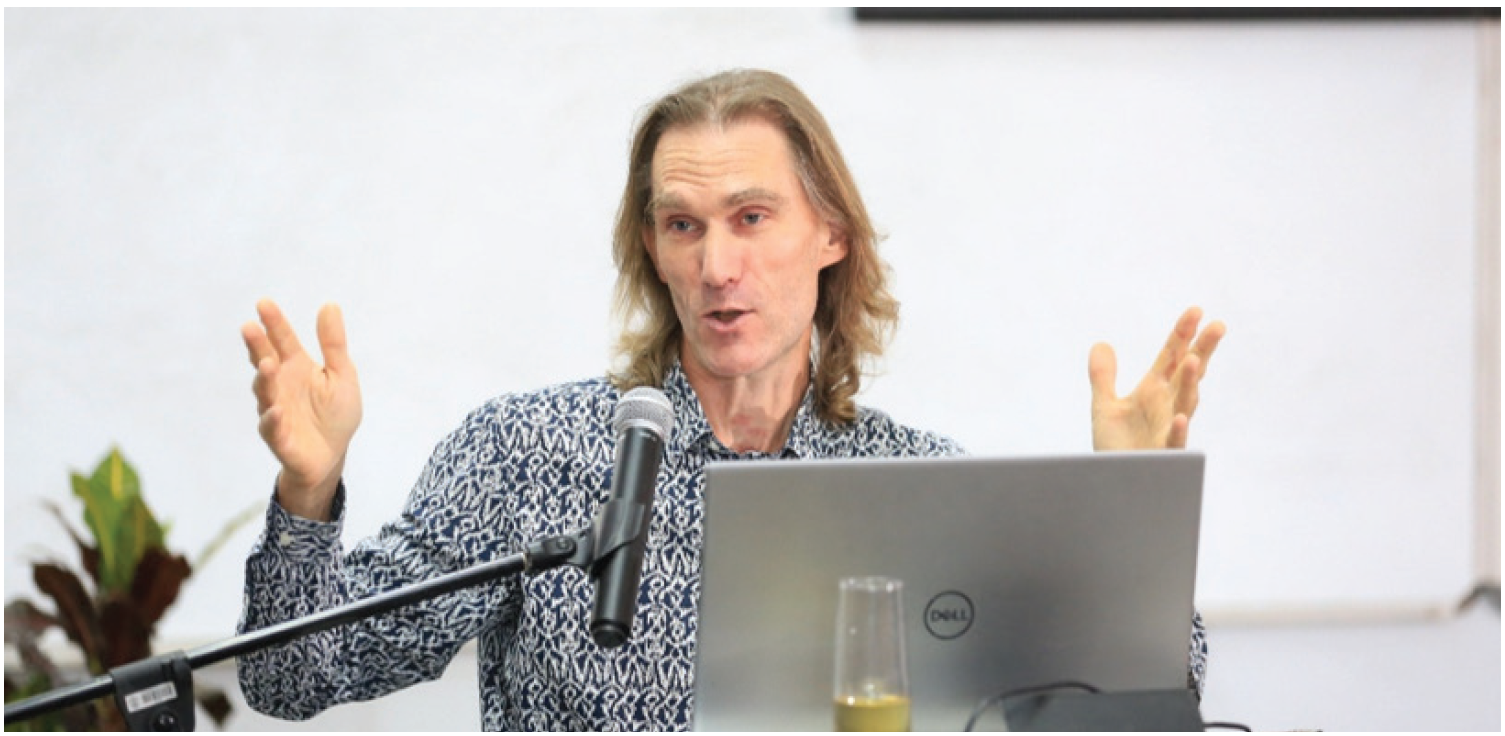
In the picture: Prof Gilles-Maurice de Schryver, renowned Lexicographer
A major highlight of the conference was a pre-conference workshop with its strong focus on artificial intelligence and digital Lexicography led and facilitated by internationally renowned Lexicographer Prof Gilles-Maurice de Schryver.
Prof Gilles-Maurice de Schryver’s pre-conference workshop highlighted how African lexicography has evolved through digital innovation, corpus linguistics and artificial intelligence. He emphasised the importance of collaboration in developing dictionaries and language resources that preserve and promote indigenous African languages. The workshop concluded that AI and digital technologies will play a vital role in shaping the future of African language research and lexicography.
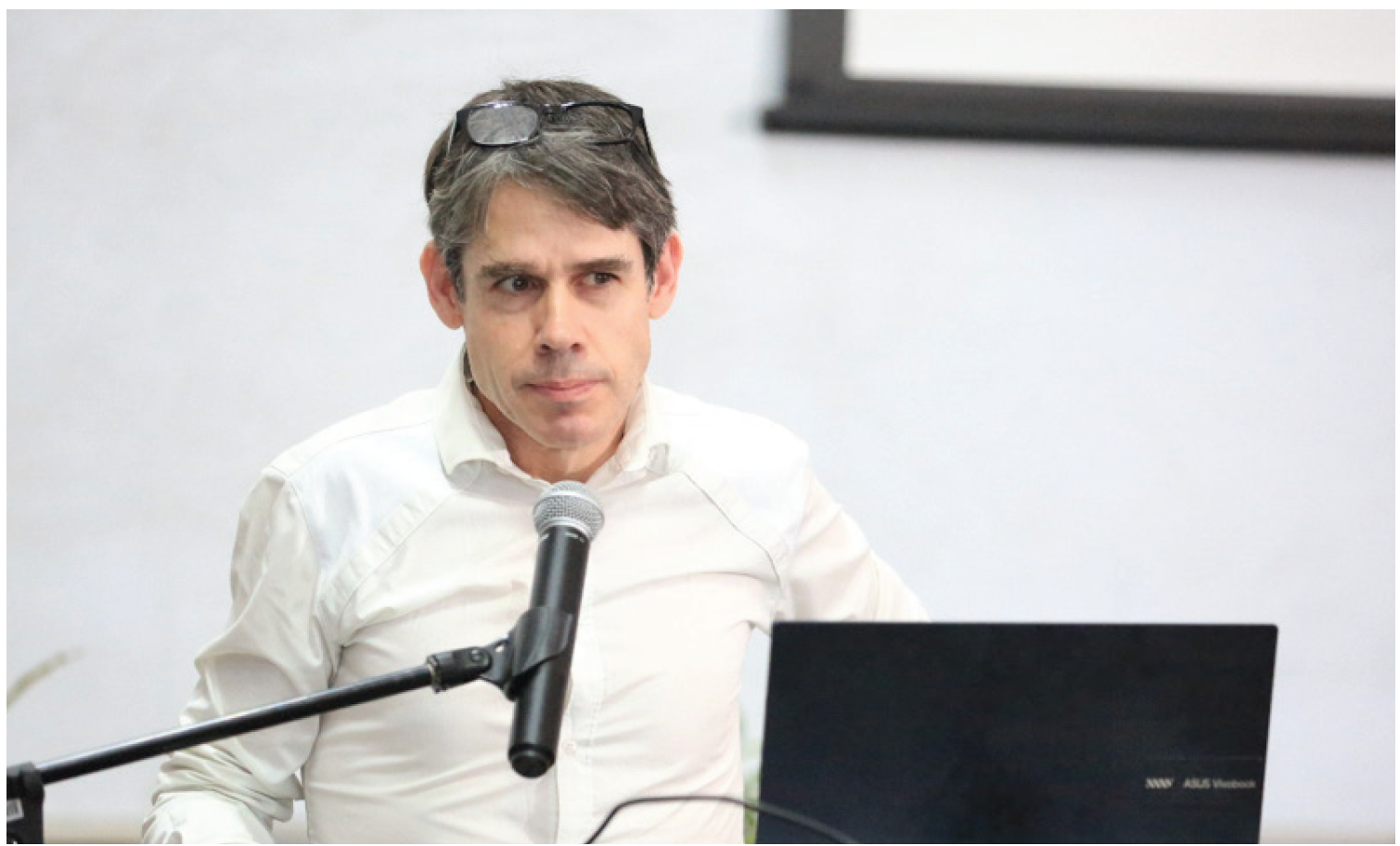
In the picture: Mr David Joff e[GS1.1][GS1.2], TLex Software Developer
Another highlight of the conference was a demonstration of the TLex Suite by Prof David Joffe, which showcased how modern dictionary compilation software is transforming lexicographic practice. The presentation illustrated the platform’s capabilities in streamlining dictionary development, terminology management and digital publishing, enabling lexicographers to produce high-quality, user-friendly language resources more efficiently. The demonstration showed the growing importance of digital tools in supporting multilingualism, preserving indigenous languages and advancing contemporary lexicographic research.
Throughout the three-day scientific programme, delegates went on and explored cutting-edge research on digital dictionaries, multilingual terminology development, corpus linguistics, language accessibility, translation studies and AI-powered language resources. These discussions demonstrated how technological innovation can accelerate the development of indigenous African languages while improving access to equitable education, research and knowledge across diverse communities.
The conference also showcased the University of Venda’s research expertise. UNIVEN academics presented research addressing sustainable terminology development in Tshivenda, digital language innovation and inclusive lexicography, reflecting the University’s commitment to producing locally relevant research with continental significance. Presentations highlighted the importance of developing indigenous language resources that support quality education, preserve cultural heritage and promote knowledge production in African languages.
International keynote addresses further enriched the programme. In his keynote address titled “AFRILEX at Thirty”, Prof Gilles-Maurice de Schryver reflected on the remarkable growth of African lexicography over the past three decades, highlighting AFRILEX’s significant contribution to advancing dictionary research, indigenous language development and language technology across the continent. He traced the evolution of lexicography from traditional dictionary-making to data-driven language technologies, corpus linguistics and artificial intelligence, demonstrating how the discipline has become an internationally recognised scientific field. He also emphasised the importance of collaboration, innovation and digital resources in ensuring that African languages continue to thrive and remain relevant in an increasingly technology-driven world.
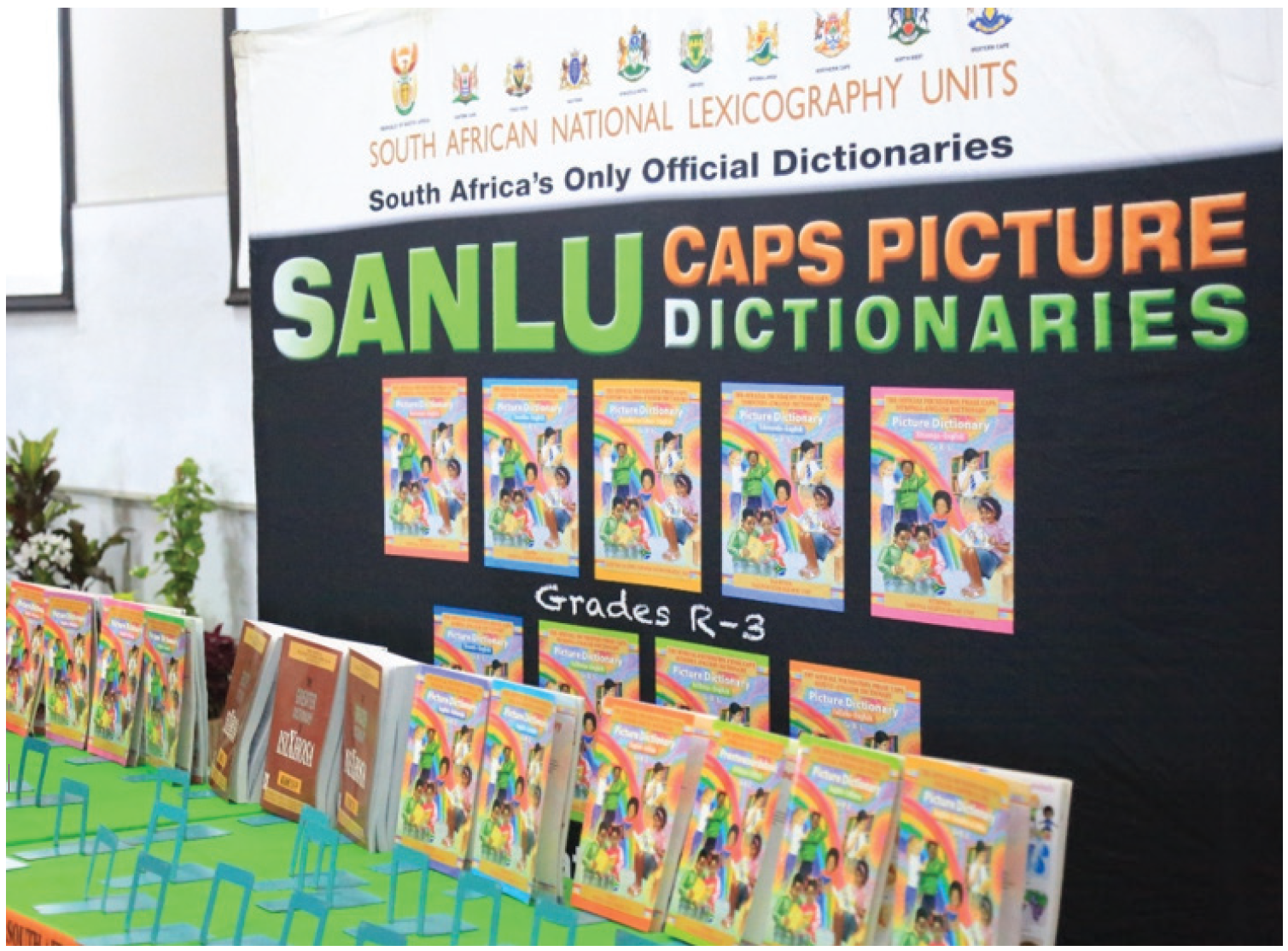
In the picture: Display of SANLU’s CAPS Pictures Dictionaries for Grade R-3
Special sessions involving publishers, South African National Lexicography Units and veteran scholars provided opportunities to strengthen collaboration between academia and industry while reflecting on AFRILEX’s contribution to indigenous language development over the past 30 years.
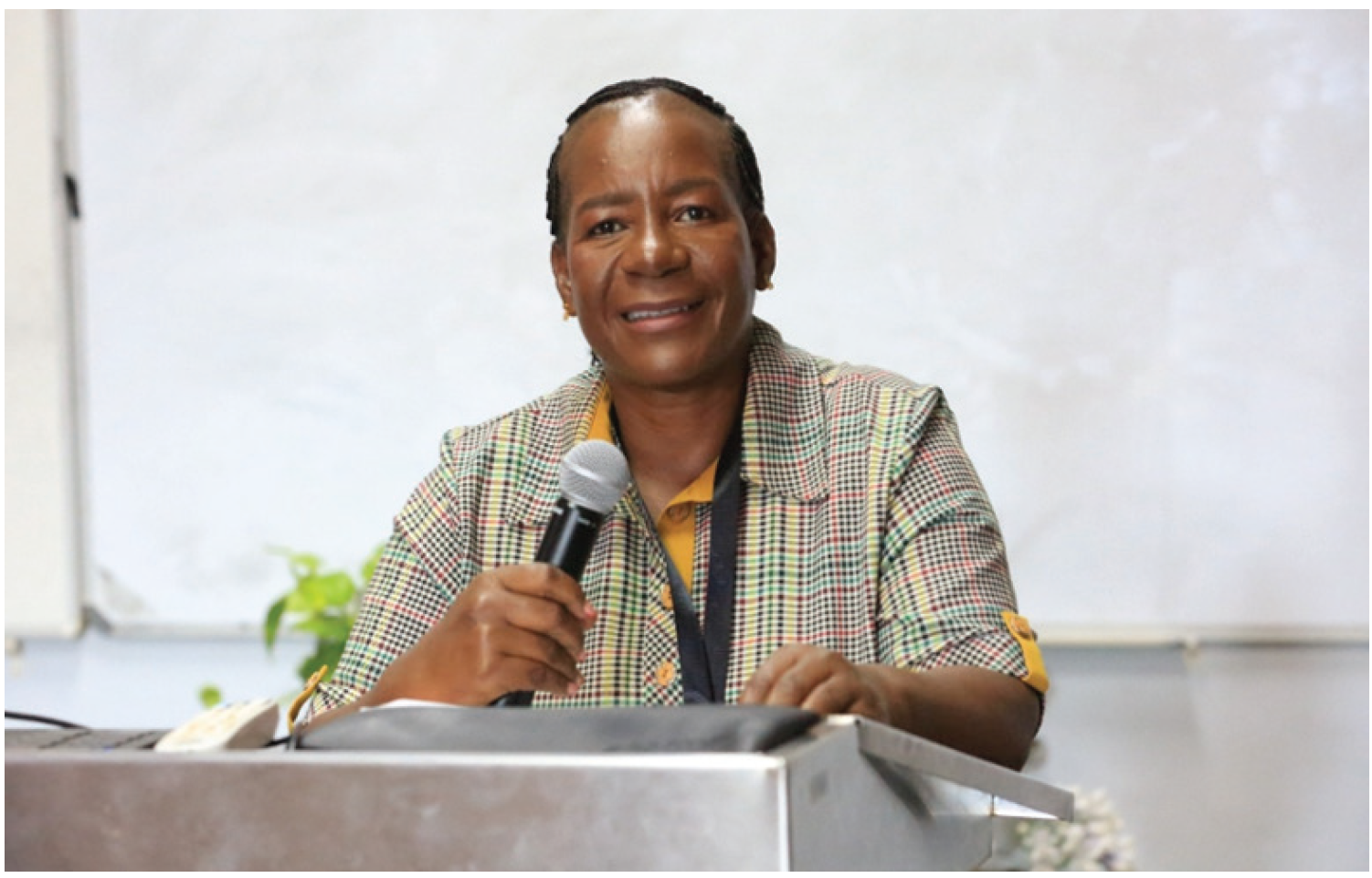
In the picture: Dr Mulalo Takalani, Local Organiser of the 30th International African Association for
Lexicography (Afrilex) Conference
Dr Mulalo Takalani, Local Organiser of the 30th International African Association for Lexicography (Afrilex) Conference, reflected with immense pride and profound honour on the successful hosting of the landmark event held under the theme “30 Years of African Lexicography: Perspectives and Engagement”. She described the conference as a celebration of three decades of advancing African lexicography, multilingualism, language development and dictionary-making, while providing an invaluable platform for lexicographers, academics, researchers, language practitioners, students and policymakers from South Africa and beyond to exchange knowledge, present research fi ndings and engage in meaningful dialogue on the future of African lexicography. Dr Takalani further highlighted the significance of the University of Venda hosting the conference once again, following its previous hosting in 2006 during the formative years of the Tshivenda National Lexicography Unit. She noted that the Vice-Chancellor and Principal, Prof Nthambeleni, reaffi rmed the University’s commitment to promoting African scholarship, strengthening international academic partnerships and contributing meaningfully to global conversations on language, culture and identity.
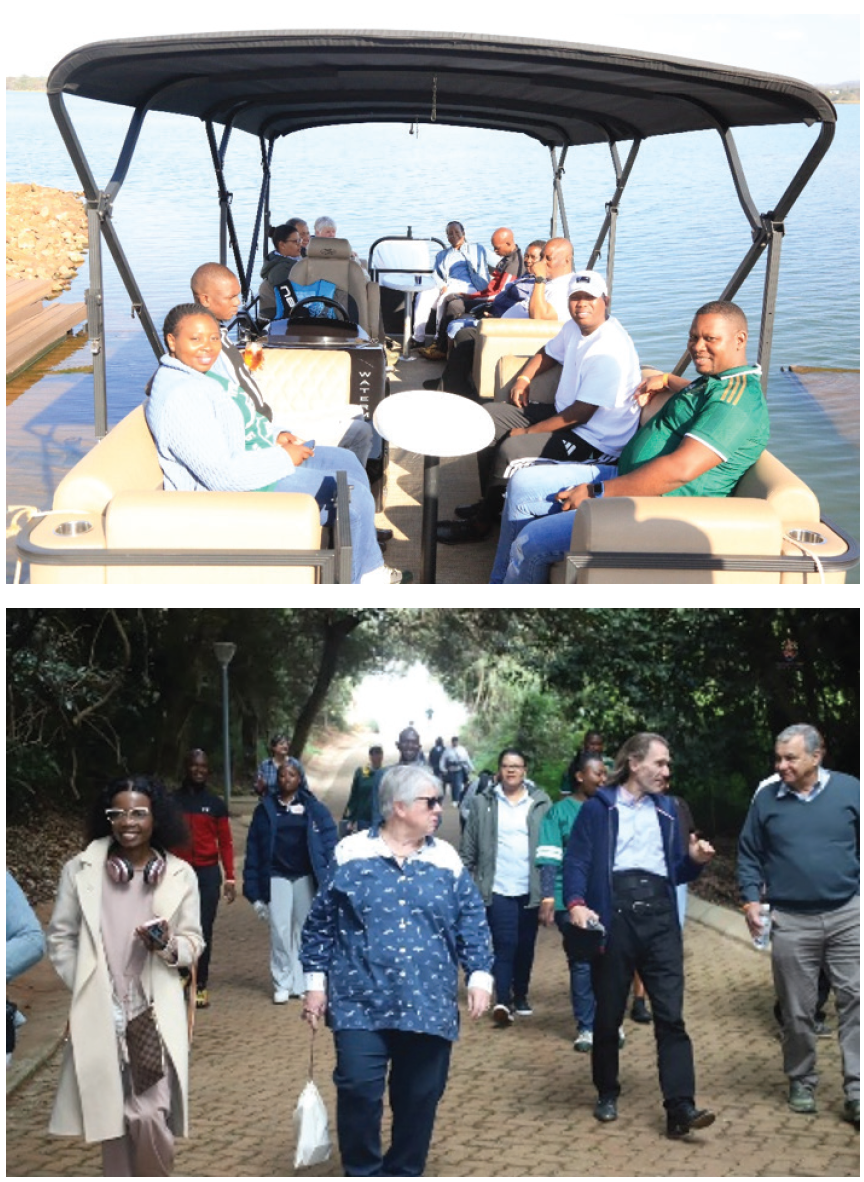
Dr Takalani emphasised that the conference was enriched by insightful keynote presentations from Prof Morris de Schryver of the UGent Centre for Bantu Studies, Ghent University, on “Generative AI and Lexicography” and Prof Langa Khumalo of SADiLaR and North-West University on “AI and the Future of African Lexicography,” both of which inspired critical discussions on the evolving role of artificial intelligence in lexicographic practice. She also highlighted the engaging panel discussions featuring former AFRILEX Presidents and Editors-in-Chief of the South African National Lexicography Units, as well as a dedicated teachers’ session that empowered educators to integrate dictionaries eff ectively into teaching and learning. The conference concluded with a memorable excursion to Phiphidi Waterfall and Nandoni Dam, including a relaxing boat cruise and lunch at The Vuez Restaurant. Dr Takalani concluded by expressing her sincere appreciation to all delegates, presenters, keynote speakers, sponsors, publishers, exhibitors, the University of Venda and the Local Organising Committee, acknowledging that their dedication, professionalism and collaboration were instrumental in ensuring the seamless organisation and resounding success of the conference.
By hosting AFRILEX 2026, the University of Venda has again demonstrated its commitment to advancing African-centred scholarship, fostering international research partnerships and as well as driving innovation in language research. The conference did not only celebrate the rich linguistic diversity of the African continent but also, it highlighted the University’s growing role in shaping the future of African languages through research excellence and digital innovation.
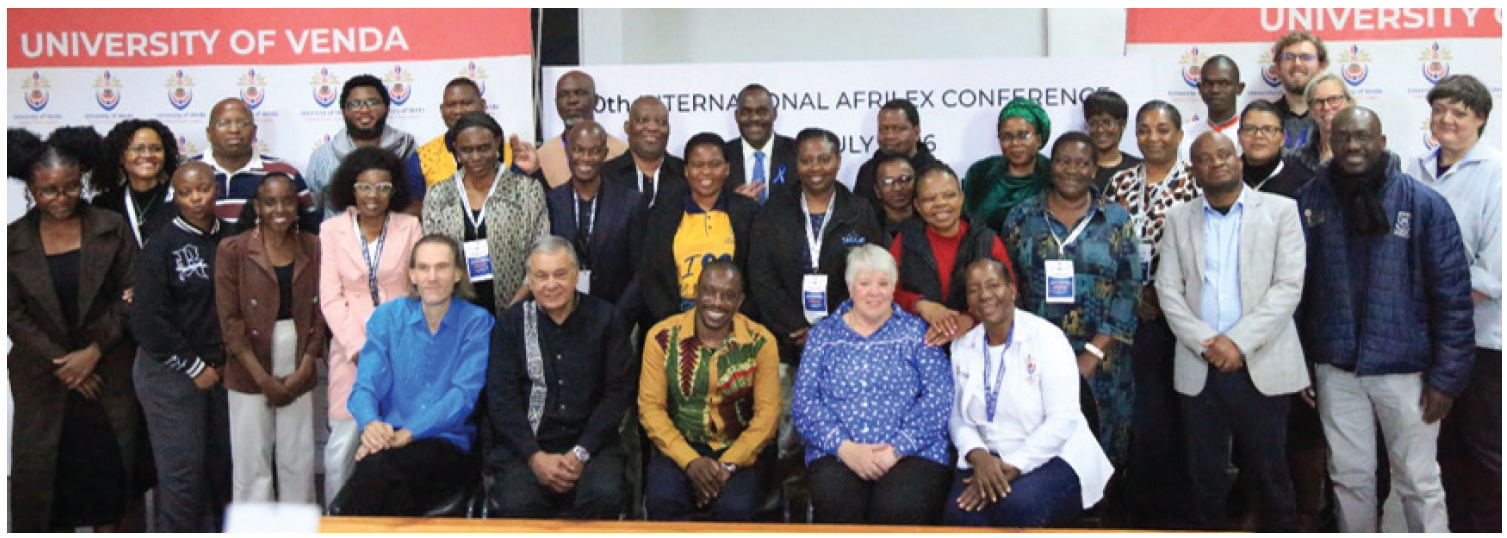
In the picture: Some of the attendees pose for a group photo
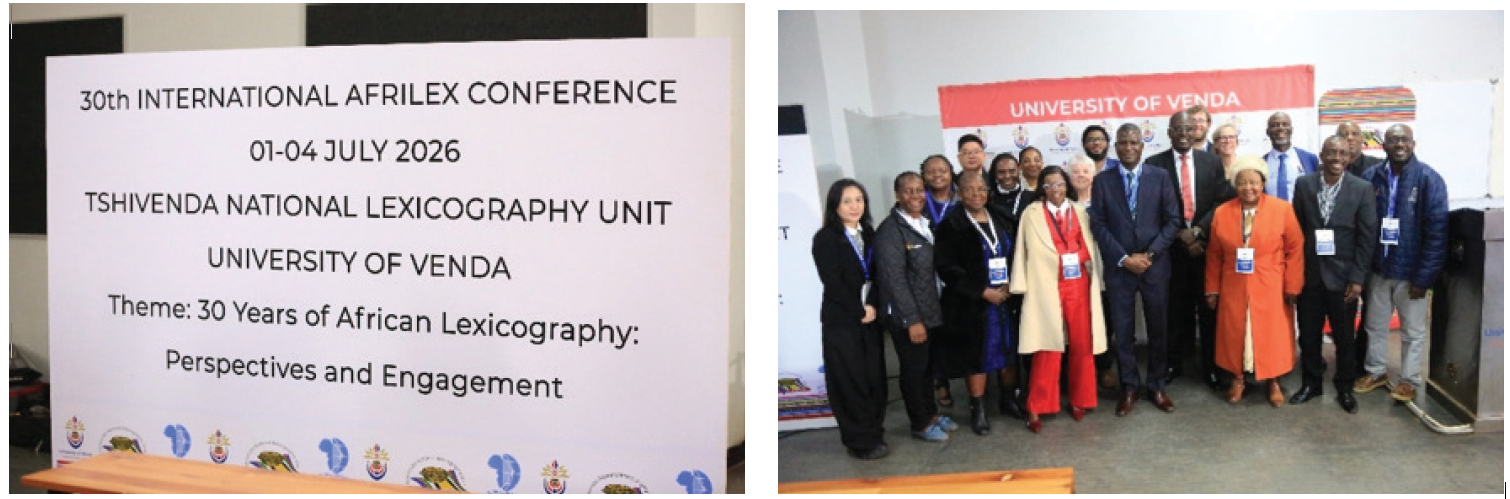
L-R: The Official banner for the 30th International AFRILEX Conference and group photo AFRILEX Board members
The photos below are some of the participants during the excursion
Issued by:
Department of Marketing, Branding & Communication University Of Venda
Tel: 082 868 2218 / 082 868 1811


