

From 1 to 2 June 2026, the Agricultural Boardroom at the University of Venda served as a dynamic platform for international collaboration, knowledge exchange, and innovation during the International Training Programme on Food Agro-Processing and Value Addition for Sustainable Community Development. The programme brought together academics, students, entrepreneurs, farmers, and community stakeholders, alongside a delegation of experts from Lithuania, to explore innovative approaches to food technology, agro-processing, and product development. Over two days, participants engaged in presentations, practical demonstrations, and hands-on learning activities that highlighted the importance of value addition, entrepreneurship, and sustainable community development. The programme not only strengthened international partnerships and cultural exchange but also demonstrated how collaborative learning can unlock new opportunities for transforming agricultural resources into marketable products, thereby contributing to economic growth and community empowerment.
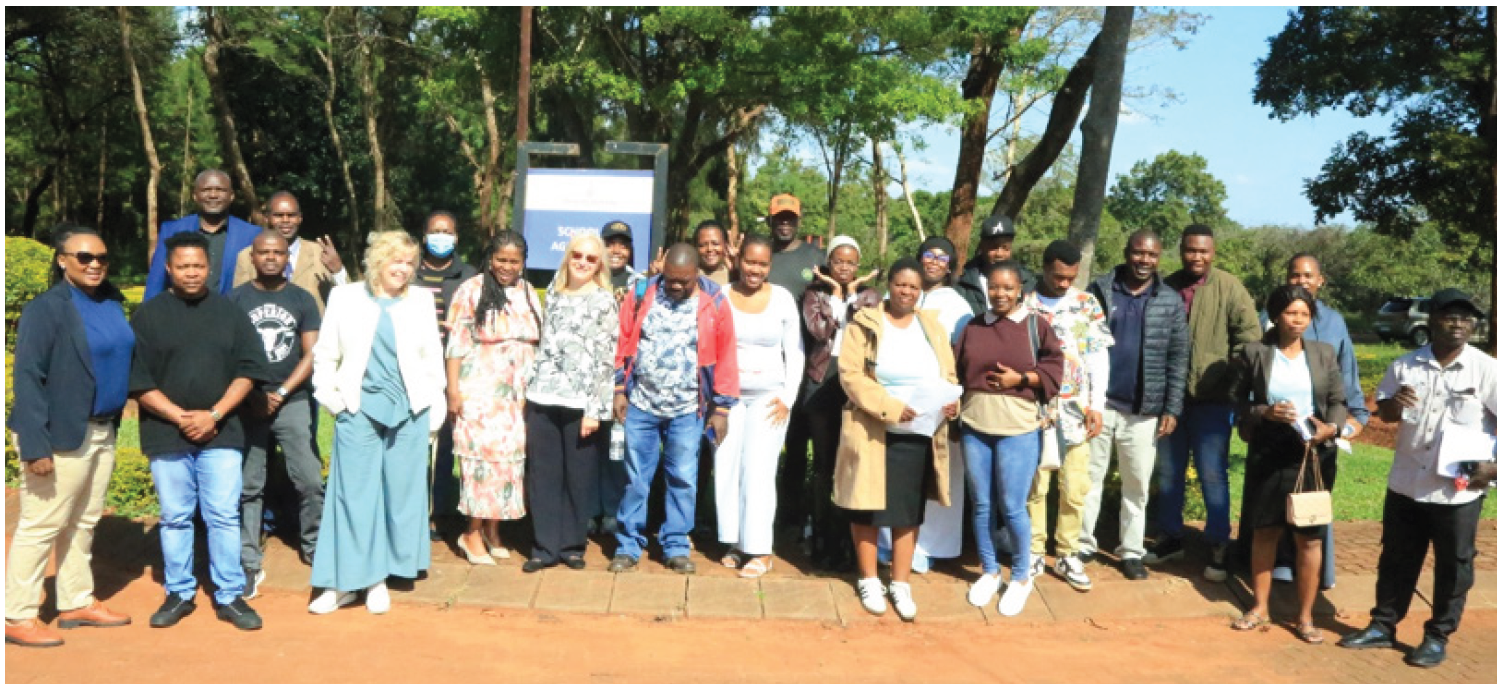
Presenters and some of the attendees
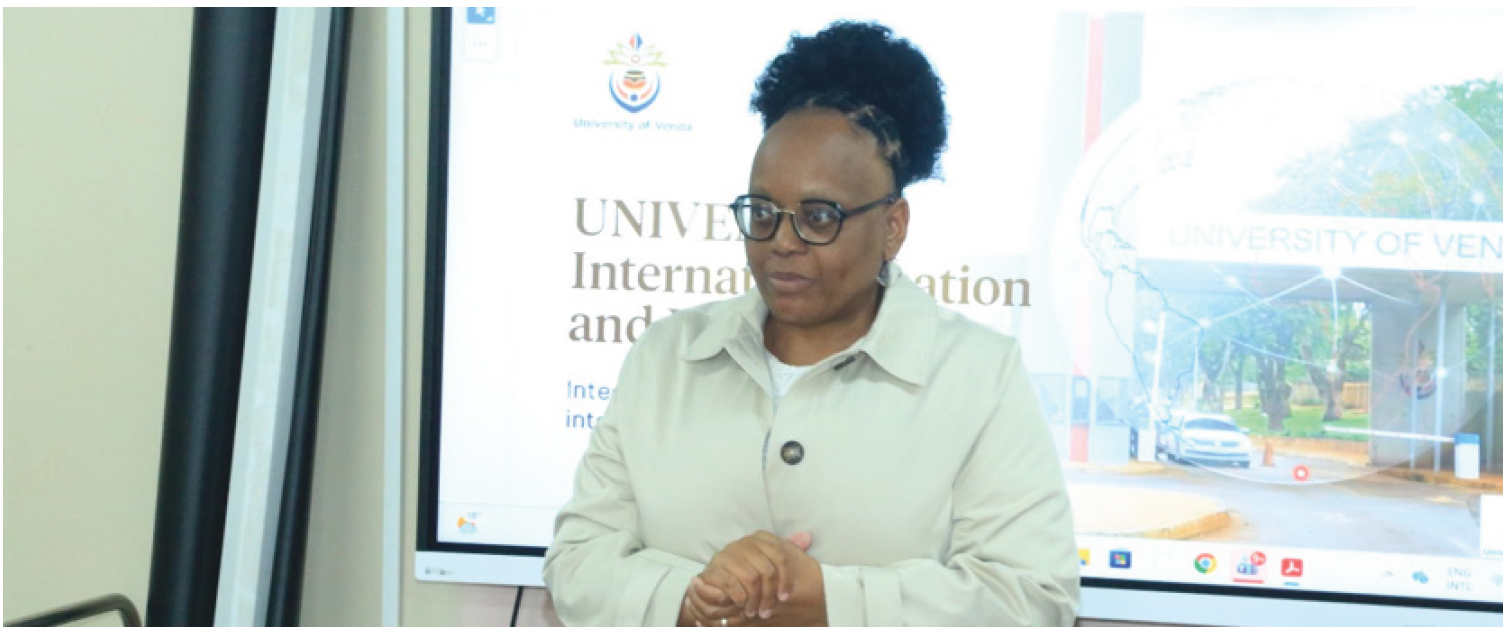
Ms Julia Sigama, Manager, Faculty of Science, Engineering and Agriculture
Ms Sigama stressed the importance of collaboration, interdisciplinary engagement, and knowledge sharing as key drivers of sustainable community development. Welcoming the visiting Lithuanian delegation, staff, students, entrepreneurs, and community members, she highlighted the programme as a valuable platform for exchanging ideas, developing practical skills, and exploring innovative solutions in food agro-processing and value addition. She expressed appreciation to the Department of Food Science and Technology for organising the initiative and conveyed the faculty leadership’s strong support for the partnership. Ms Sigama also emphasised the importance of documenting the programme’s activities and impact, while encouraging participants to actively engage in the discussions and make the most of the learning opportunity.
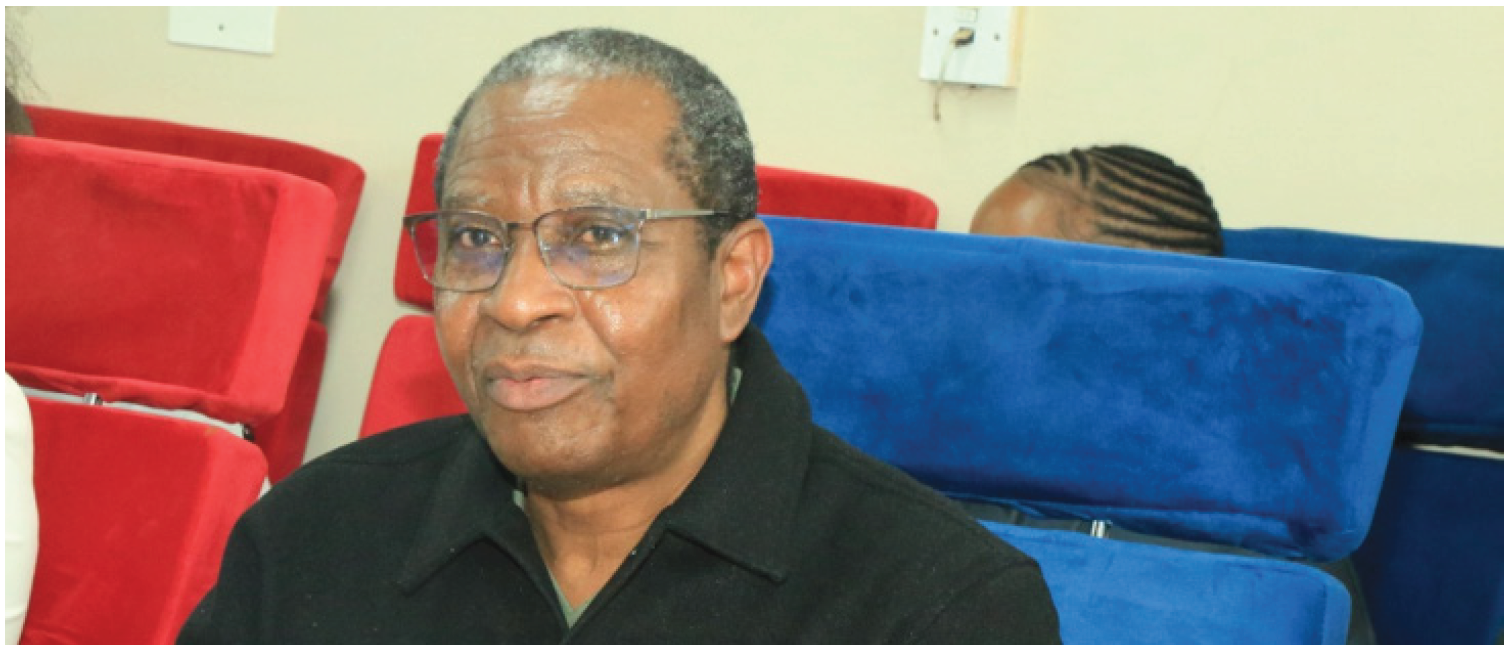
Dr Segune Obadire, Director, International Relations and Partnerships, University of Venda
Dr Obadire emphasised the significance of the training programme as a platform for strengthening collaboration between the University of Venda, its Lithuanian partner institution, and the broader community. He reaffirmed the University’s commitment to community engagement, research, innovation, entrepreneurship, and internationalisation, highlighting the long-standing partnership that has supported student exchanges, academic mobility, and collaborative research since 2017. Acknowledging the Lithuanian delegation’s commitment to knowledge sharing, he underscored the value of international partnerships in creating opportunities for students, entrepreneurs, farmers, and community members. Dr Obadire also highlighted the agricultural potential of the Vhembe region, describing it as South Africa’s fruit basket and stressing the importance of agro-processing, value addition, and product development in transforming local agricultural produce into commercially viable products. He concluded by encouraging participants to actively engage in the programme, collaborate on innovative solutions, and contribute towards sustainable community development, food security, and economic growth.
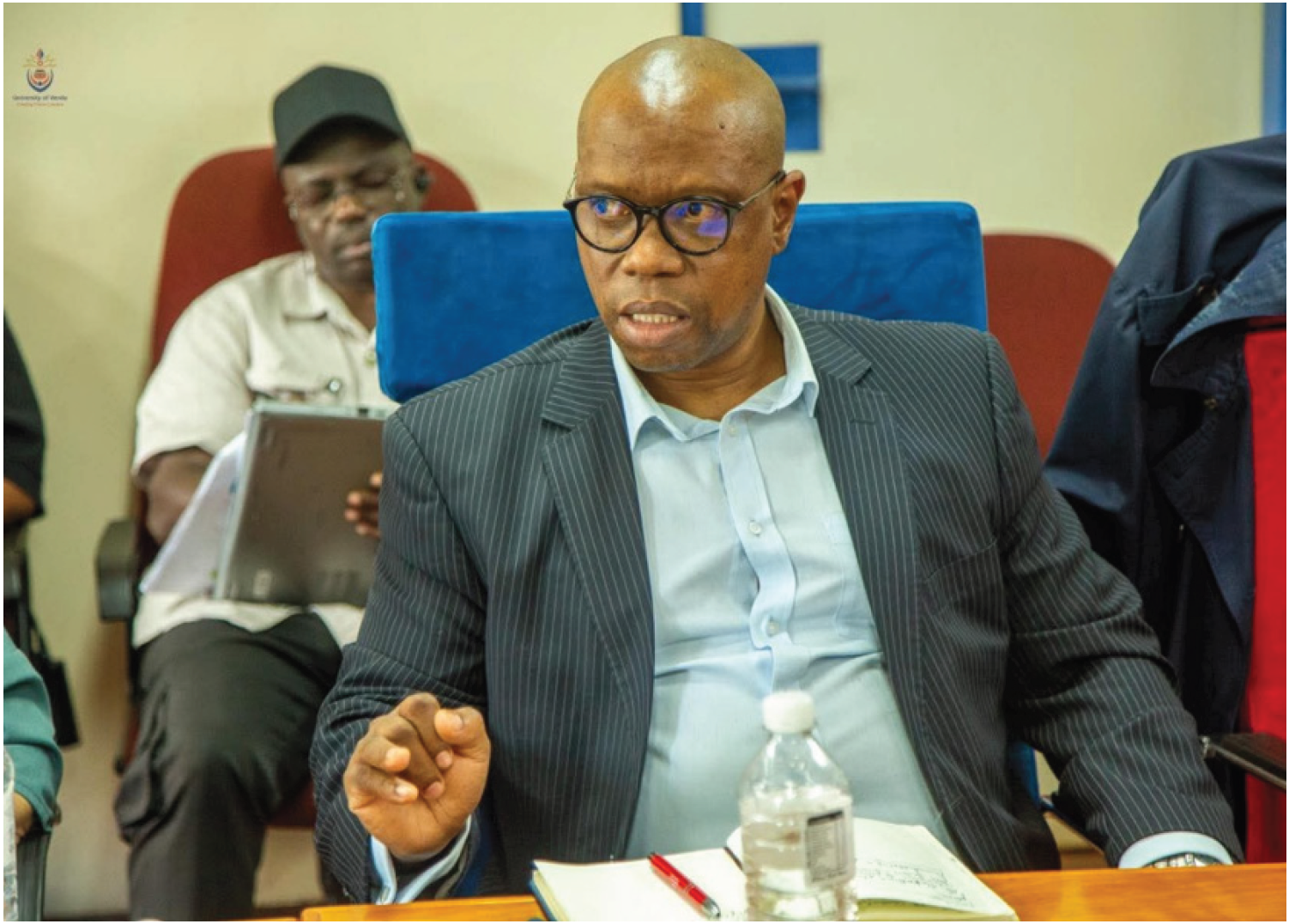
Dr Mlungiseleli (Mlu) Ganto, Community Engagement, Entrepreneurship, Inclusive Innovation and
Commercialisation, University of Venda
Dr Gando presented an overview of the Directorate’s mandate and its role in advancing community engagement at the University of Venda. He explained that the Directorate is committed to fostering inclusive innovation, entrepreneurship, and the commercialisation of university research to ensure meaningful real-world impact. A key emphasis of his presentation was translating university-generated knowledge and research into practical, scalable solutions that address pressing community challenges while simultaneously creating economic opportunities in rural areas of Limpopo Province. He further highlighted the Directorate’s commitment to supporting trainees by incubating innovative ideas and projects, providing structured guidance and support to develop these initiatives from concept to successful implementation and sustainability.
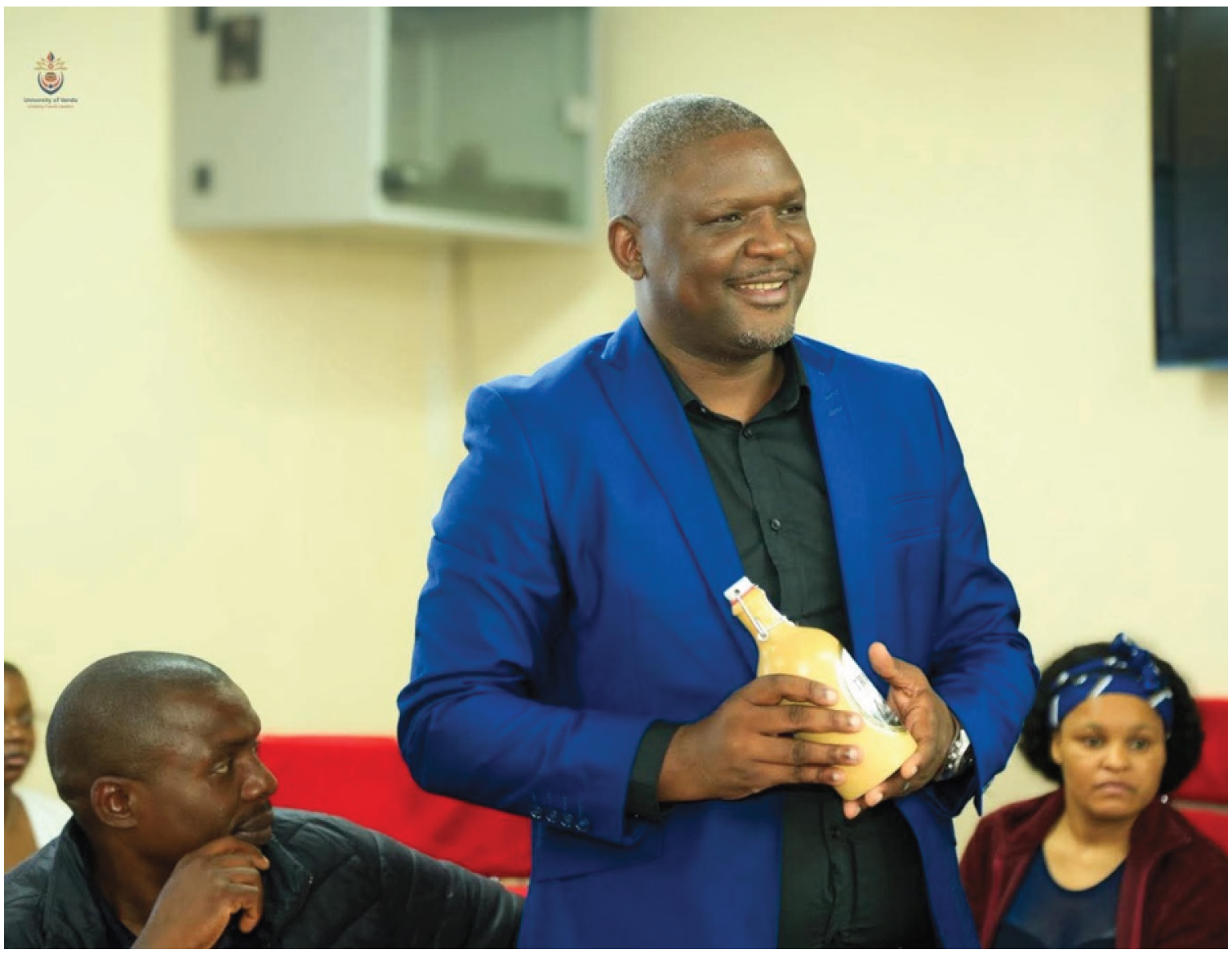
Prof Victor Ntuli, Department of Food Science and Technology, University of Venda
Prof Victor Ntuli opened his presentation by explaining that the workshop forms part of the community engagement project, Agricultural Innovation for Limpopo Province (funded by DCEEIIC), which seeks to empower communities through innovation and entrepreneurship to enhance food security, health, and sustainable livelihoods. He highlighted the project’s commitment to translating university knowledge and research into practical solutions that address community challenges while creating economic opportunities in rural areas. The presentation then focused on the critical role of food agro-processing as a practical strategy for improving food security, nutrition, employment, and sustainable rural livelihoods in Limpopo Province, particularly in the Vhembe and Sekhukhune districts. The presentation demonstrated how affordable agro-processing technologies such as solar drying, fermentation, milling, pasteurisation, canning, and oil extraction can transform perishable agricultural products into safe, nutritious, shelf-stable, and value-added products that generate income and reduce food waste. Drawing on examples from across Africa and rural South Africa, Prof. Ntuli emphasised that agro-processing serves as a powerful tool for women’s empowerment, youth employment, and climate-resilient food systems. He further outlined the strategic role of the University of Venda, through its Department of Food Science and Technology and its laboratories and pilot plant facilities, in supporting communities through training, product development, food safety testing, research, and enterprise development. He called on for a stronger collaboration between communities, cooperatives, students, and the university to build a resilient and self-sustaining local food system that enhances nutrition, creates economic opportunities, and improves the quality of life in rural Limpopo.
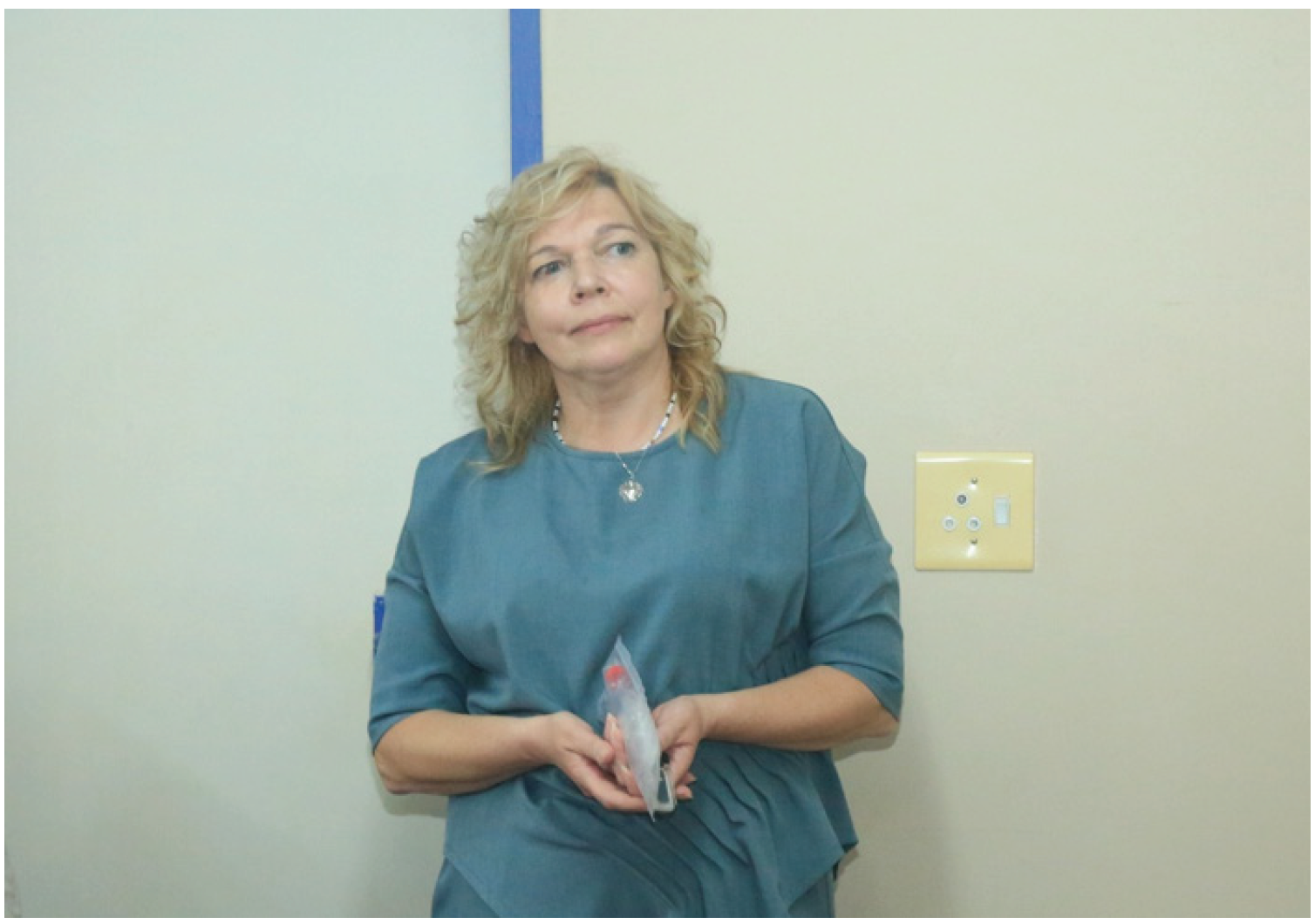
Dr Aušra Šimonėlienė, Associate Professor, Department of Food and Agrotechnology, Fermentation Tech
Dr Aušra Šimonėlienė highlighted Lithuania’s rich beekeeping heritage and the cultural significance of mead as one of the country’s oldest traditional beverages. She discussed the classification of mead, evolving consumer preferences, and the key factors influencing product quality, including honey composition, botanical origin, yeast selection, and fermentation management. The presentation compared cold and hot fermentation methods, with the latter recommended for commercial production due to its advantages in quality control, stability, and consistency. Dr Šimonėlienė also explored opportunities for innovation using fruits, herbs, berries, and indigenous plant materials, encouraging participants to utilise South Africa’s diverse floral resources and locally produced honey to create unique value-added products. At the end of her presentation, she emphasised that mead production offers a practical and accessible pathway for entrepreneurship, agricultural diversification, and sustainable community development.
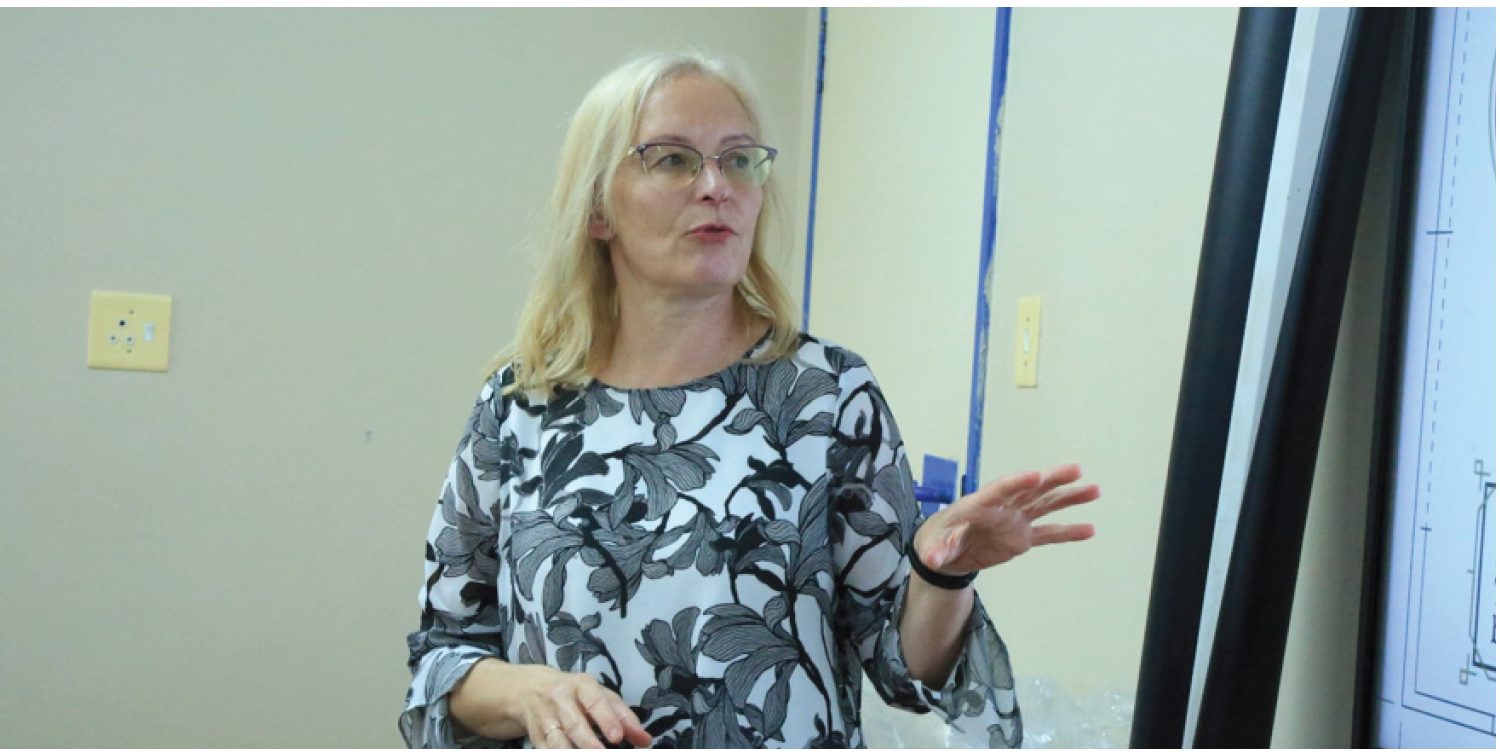
Dr Ernesta Trečiokienė, Associate Professor, Department of Food and Agrotechnology, Dairy Tech
Dr Ernesta Trečiokienė demonstrated how traditional Lithuanian food products can be successfully combined with modern food science and sustainability principles. Building on discussions of mead production, she explained the different styles, production processes, quality control measures, and classification systems used in mead-making, highlighting opportunities for product innovation. She also introduced participants to the history and production of traditional Lithuanian fresh cheese, emphasising the preservation of cultural heritage through traditional processing methods. A key focus of her presentation was innovation in dairy product development, where research on the incorporation of banana peel fibre, mushrooms, and hemp seeds illustrated how traditional foods can be enhanced to improve nutritional value, promote sustainability and reduce agricultural waste. The presentation showcased how heritage, scientific research and entrepreneurship can work together to develop innovative food products that contribute to food security, economic development and sustainable community growth.
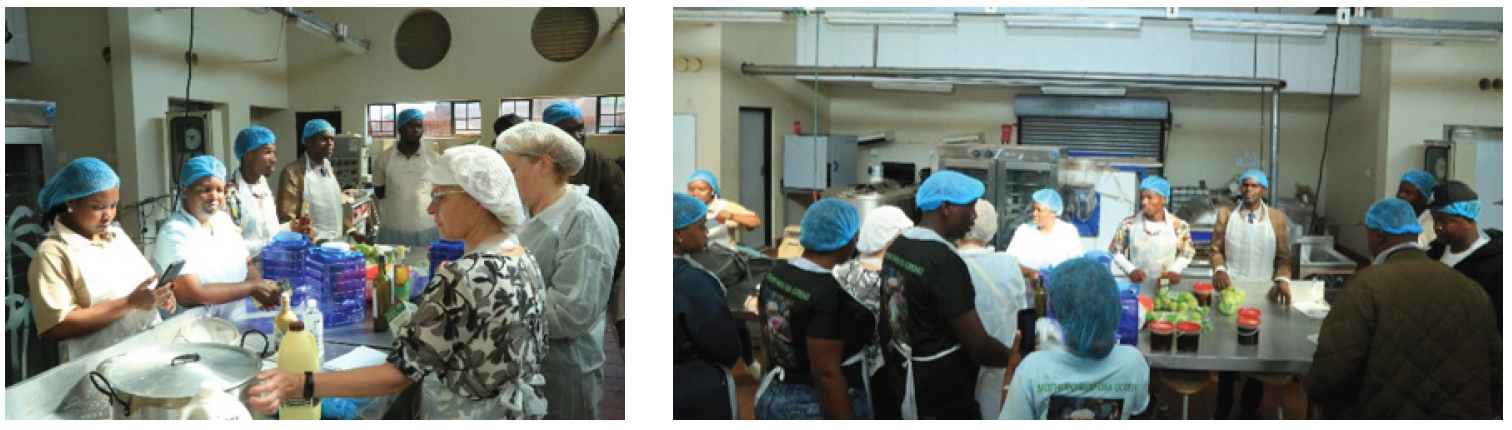
The first day concluded with a practical laboratory demonstration that brought theory into practice. Participants were introduced to the process of producing honey-based products, providing an opportunity to observe key production techniques and gain hands-on experience in transforming honey into value-added products. The session reinforced the discussions on mead production and demonstrated how locally available resources can be utilised to create innovative products with commercial potential.
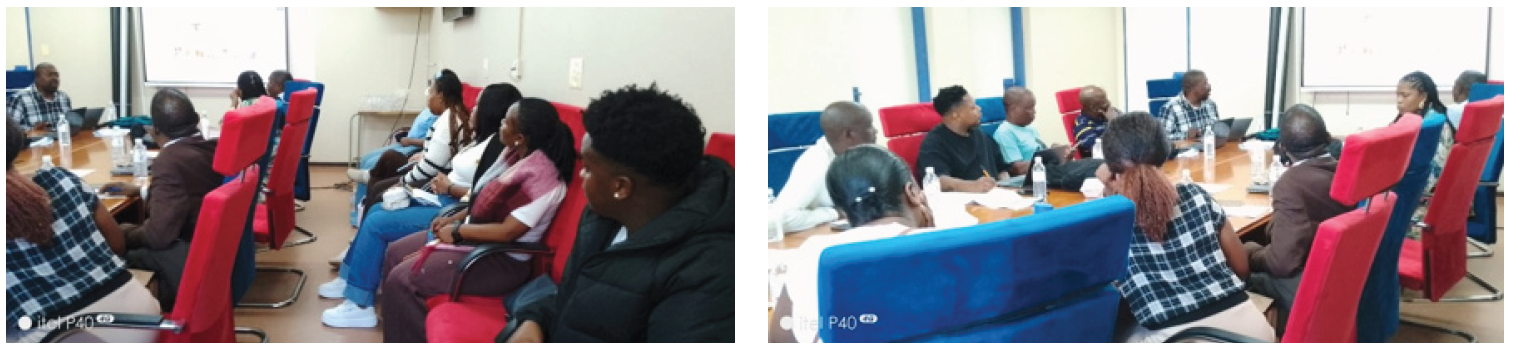
Department of Food Science and Technology staff actively engaging participants and students during the second day of the workshop
Building on the knowledge gained during the first day, Day Two focused on agro-processing technologies, food product development, and quality assurance. Participants attended a series of presentations exploring low-cost Argo-processing technologies, food production processes, and the importance of sensory evaluation in food product development. Further sessions examined food packaging and labelling technologies, food handling and hygiene practices, food safety principles, and quality management systems in food production.
In the afternoon, participants moved to the Food Science and Technology pilot plant for practical demonstrations on jam production and citrus processing, including the manufacture of juices, concentrates, and dried citrus products. The day concluded with a reflection session during which participants shared their experiences and key lessons learned, highlighting the importance of innovation, quality assurance, and value addition in promoting sustainable community development and entrepreneurship.
The training programme successfully demonstrated the power of international collaboration in advancing knowledge, innovation, and community development. By combining international expertise with South Africa’s agricultural potential, the initiative provided participants with practical skills, new perspectives, and valuable networking opportunities. The exchange not only strengthened institutional partnerships but also inspired students, entrepreneurs, farmers, and community members to explore innovative approaches to food processing and value addition. As the programme ended, it left behind a shared commitment to sustainable development, entrepreneurship, and continued collaboration across borders, proving that knowledge and innovation know no geographical boundaries.
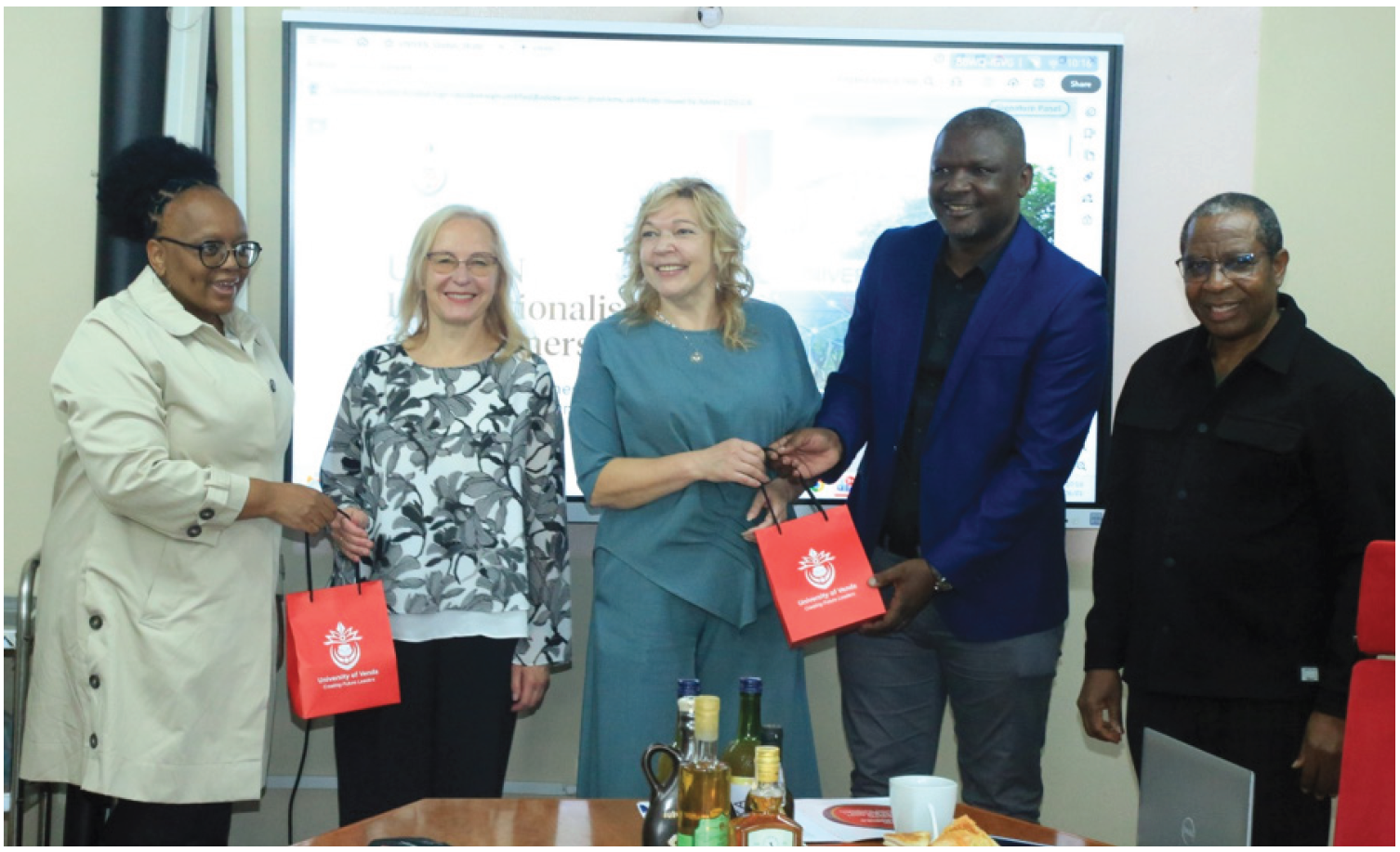
Guests receiving gifts from Mrs Sigama and Prof Ntuli
Issued by:
Department of Marketing, Branding and Communication
University of Venda
Tel: 082 868 2218 / 082 868 1811


