
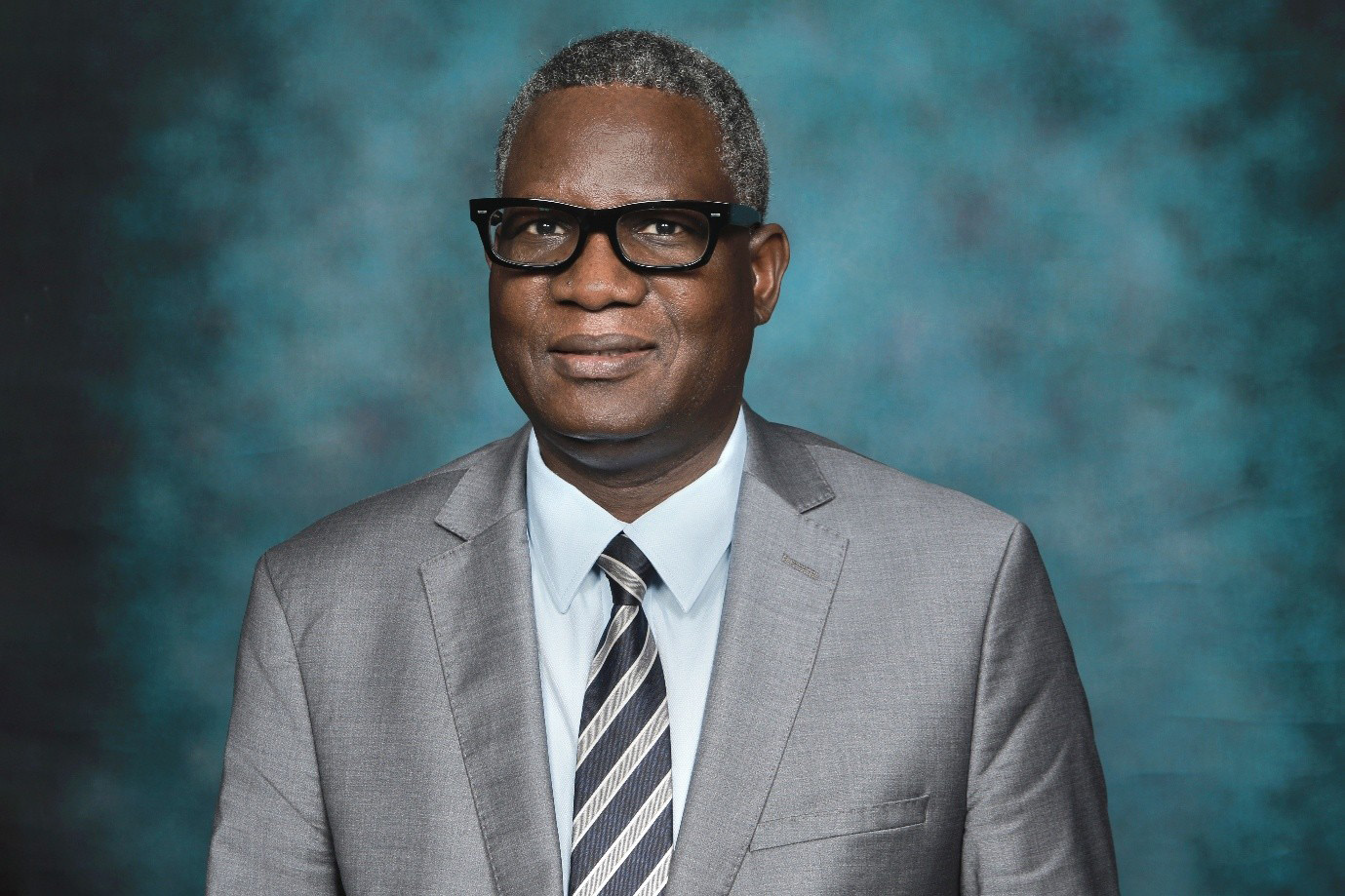
The University of Venda (UNIVEN) is taking decisive steps into global leadership, where language becomes an infrastructure and satellites power classrooms, farms, and cities. This bold transformation has now received the highest national recognition, with President Cyril Ramaphosa formally congratulating Vice-Chancellor and Principal, Professor Bernard Nthambeleni on the establishment of the China–Africa Global South Institute at UNIVEN. In his official message, the President commended the University for advancing South–South cooperation, strengthening people-to-people exchange, and embedding global partnership at the heart of local development. He affirmed that the Institute is not only a university achievement, but a national strategic asset for diplomacy, knowledge exchange, and inclusive growth.
The China–Africa Global South Institute is more than a building. It is a public-facing knowledge hub designed to transform language from a barrier into a bridge for research, trade, and cultural literacy between Africa and China. Chinese inscriptions on the façade declare a shared scholarly purpose, while a striking steel “linguist” screen, designed as fragmented forms resolving into clarity, physically represents the journey from misunderstanding to understanding. Inside, the Institute brings together student innovation hubs, public dialogue forums, digital linguistics laboratories, and collaborative research and governance spaces. Together, these spaces position UNIVEN as a continental leader in cross-border scholarship, policy engagement, and South–South integration.
At the same time, UNIVEN is redefining the future of teaching and learning through the rollout of GIS-enabled Smart Classrooms under the China–South Africa Joint Research Centre. These classrooms integrate interactive boards, cloud systems, sensors, high-speed connectivity, and Internet of Things (IoT) platforms to deliver immersive, technology-driven education. They are not merely infrastructure upgrades, but a reimagining of education delivery for rural Africa, enhancing student experience, modernising pedagogy, strengthening research capacity, and repositioning UNIVEN as a fully scalable smart campus model for the continent.
On the University’s experimental farm, another quiet revolution is underway. Through the integration of BeiDou satellite navigation, remote sensing, artificial intelligence, Internet of Things, and precision farming technologies, UNIVEN is transforming traditional agriculture into a fully digital precision farming system. Real-time data on soil, crops, and livestock now enable smart irrigation, targeted fertilisation, early pest and disease detection, GPS-based animal health monitoring, and AI-driven decision-making. The result is higher yields, reduced water and chemical use, lower production costs, and a significantly smaller environmental footprint. Beyond research, this digital farm is being positioned as a regional hub for farmer support and training across the entire SADC region, directly advancing food security and climate resilience.
The partnership with Beihang University in China is also pushing the frontier of green infrastructure and intelligent mobility. Through new research chairs in Smart and Green Transport, Intelligent Cities, and Autonomous Vehicles using Artificial Intelligence, UNIVEN is helping shape the future of mobility and urban development in South Africa. These initiatives directly support the strategic Musina–Makhado–Polokwane–Pretoria transport corridor, a national priority for logistics, mining exports, industrialisation, and job creation. AI-powered vehicles, big data systems, and sensor-driven road diagnostics will modernise road safety, reduce infrastructure failures, improve maintenance planning, and future-proof transport systems across both rural and urban regions.
Each of these research chairs is funded at R50 million over five years, linked to a broader R500 million Chinese cooperation commitment announced through intergovernmental science and technology agreements. The impact will be measured in dozens of MSc and PhD graduates, high-impact international research publications, joint patents, China–South Africa staff and student exchanges, policy briefs for government, and direct support to SMEs and rural communities. These programmes are aligned with the UN Sustainable Development Goals, South Africa’s National Development Plan, and the G20 agenda for inclusive growth, resilient infrastructure, food security, and digital transformation.
With formal recognition from the President of South Africa, the China–Africa Global South Institute now stands as a national beacon of international cooperation, African innovation, and knowledge diplomacy. From language and culture to satellites and smart transport, UNIVEN is demonstrating that a rural-based African University can drive global transformation, anchored in sustainability, technology, and inclusive development.
Issued by:
Department of Marketing, Branding and Communication
University of Venda
Tel: 082 868 2218 / 082 868 1811


