

Mr Calvin Mogale, SRC President of the University of Venda
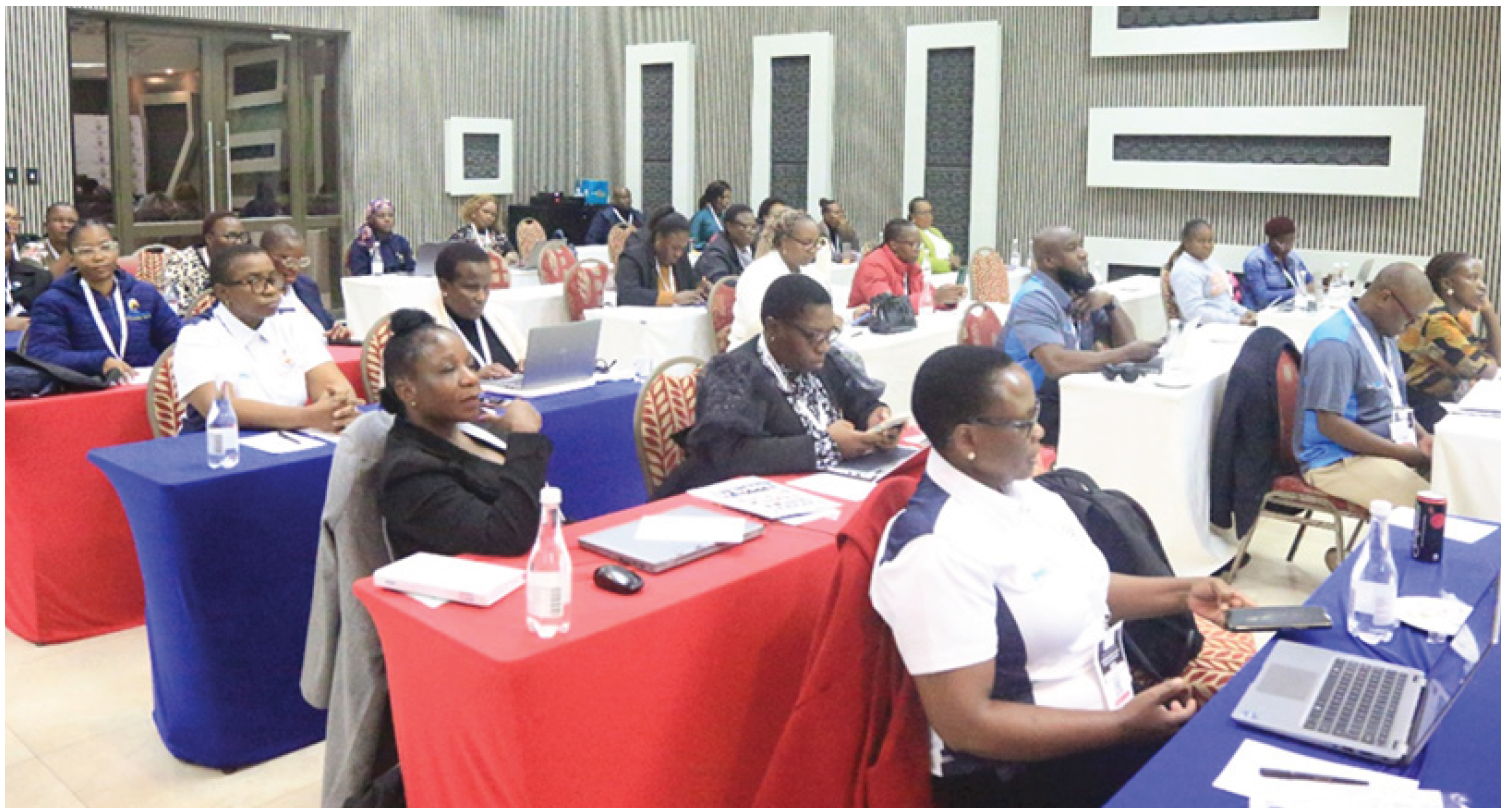
The Faculty of Health Sciences recently organised the Health Sciences Conferences in collaboration with the South African Medical Research Council (SAMRC). This Conference took place at 2Ten Hotel from 22-25 April 2026 under the theme: ‘Collaborative care for Healthier Futures’. During this Conference, thirteen (13) posters and 26 presentations were delivered. The conference aimed to develop a multidisciplinary model integrating all relevant departments in the continuum of maternal and child health care, spanning preconception, conception, pregnancy, childbirth, and the first five years of life. This model incorporates expertise from human biology and microbiology to support genetic, immunological, and microbiome analyses, thereby enabling evidence-based interventions and informed reproductive planning to optimize maternal and child health outcomes.

Deputy Vice-Chancellor Research and Postgraduate Studies, Prof Fulufhelo Netswera
In his Welcome and Opening Address, the Deputy Vice-Chancellor Research and Postgraduate Studies, Prof Fulufhelo Netswera described this conference as a very good initiative that will find solutions for many communities. He highlighted that the practice should start on campus and solve the health challenges faced by students on daily basis before going out to the communities. “We need to solve our own challenges first because this will give a sense of trust by people outside”. Prof Netswera thanked the 26 presenters who have submitted their papers and advised the organisers to get those papers published. He congratulated members of the committee for putting the conference together. Prof Netswera also thanked SAMRC for partnering with UNIVEN to make sure that the conference becomes a success.
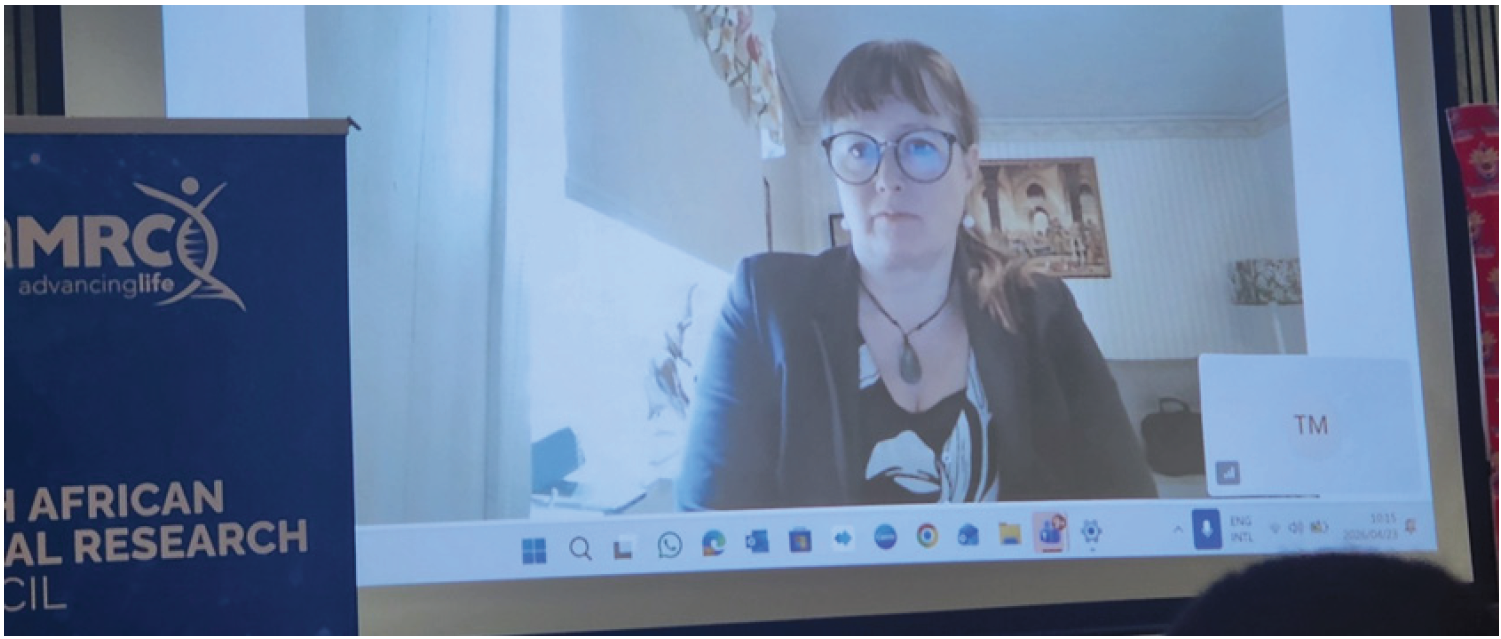
Prof Vanja Verggren from Karolinska Institute, Sweden delivering the Keynote Address virtually
In her Keynote Address, Prof Vanja Verggren spoke about the importance of preconception care in improving global pregnancy. She presented case study of maternal mortality due to childbirth in Sweden. Prof Verggren gave the historical development and advancements in the health field including the development of the obstetrics care in hospitals.
Prof Verggren indicated that globally and regionally, progress on prevention of anaemia in women aged 15-29 years does not indicate that it could meet the World Health Assembly (WHA)’s global nutrition target by 2030. She said the prevalence of anaemia in children remains high. Prof Verggren indicated that a better understanding of the context on the specific causes of anaemia and quality implementation of multisectoral actions to address the causes of anaemia is needed.
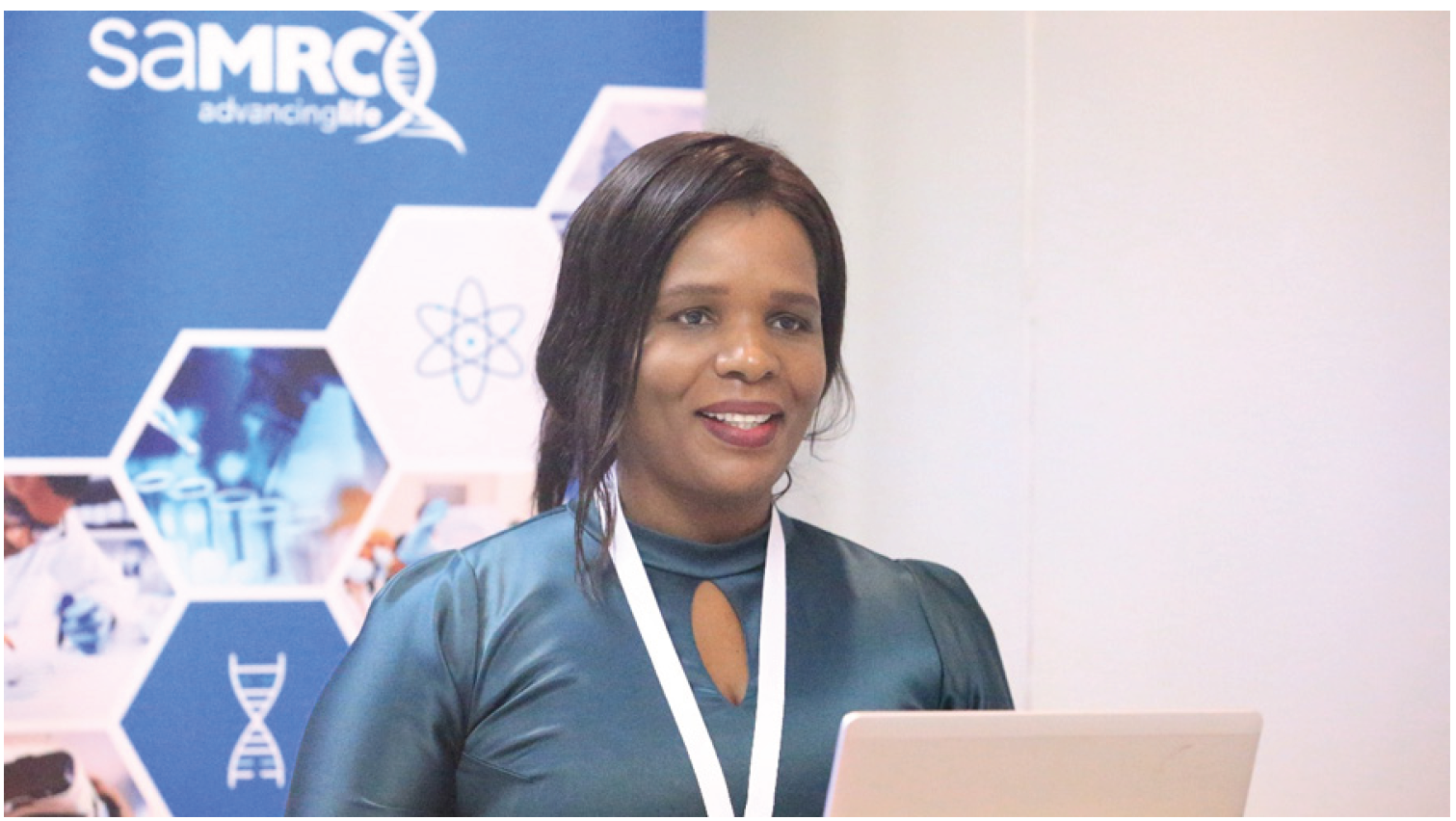
Prof Angelina Maphula
As the Guest Speaker, Prof Angelina Maphula, a Clinical Psychologist at UNIVEN advised pregnant women to seek help when they need one. “Do not die inside in silence.” Prof Maphula indicated that mental health cannot be optimal if other spheres of life are not well maintained. Depression is more than just a feeling of sadness; it affects mood and has an impact on the functioning of the mind. Prof Maphula highlighted that more than 10% of pregnant women globally experience depression. She said women are 1,5 times more likely to have depression than men. “South Africa has a limited access to mental health services, especially in rural areas.” When talking about the impact of stress, anxiety and depression, she indicated that mental health care is essential before conception. “Early support improves maternal and child health.” Her advice to attendees was that, when preparing for pregnancy, partners education must include emotional, financial and physical readiness. She concluded her talk by advising women to seek help, build support and to prioritise their mental health and well-being.
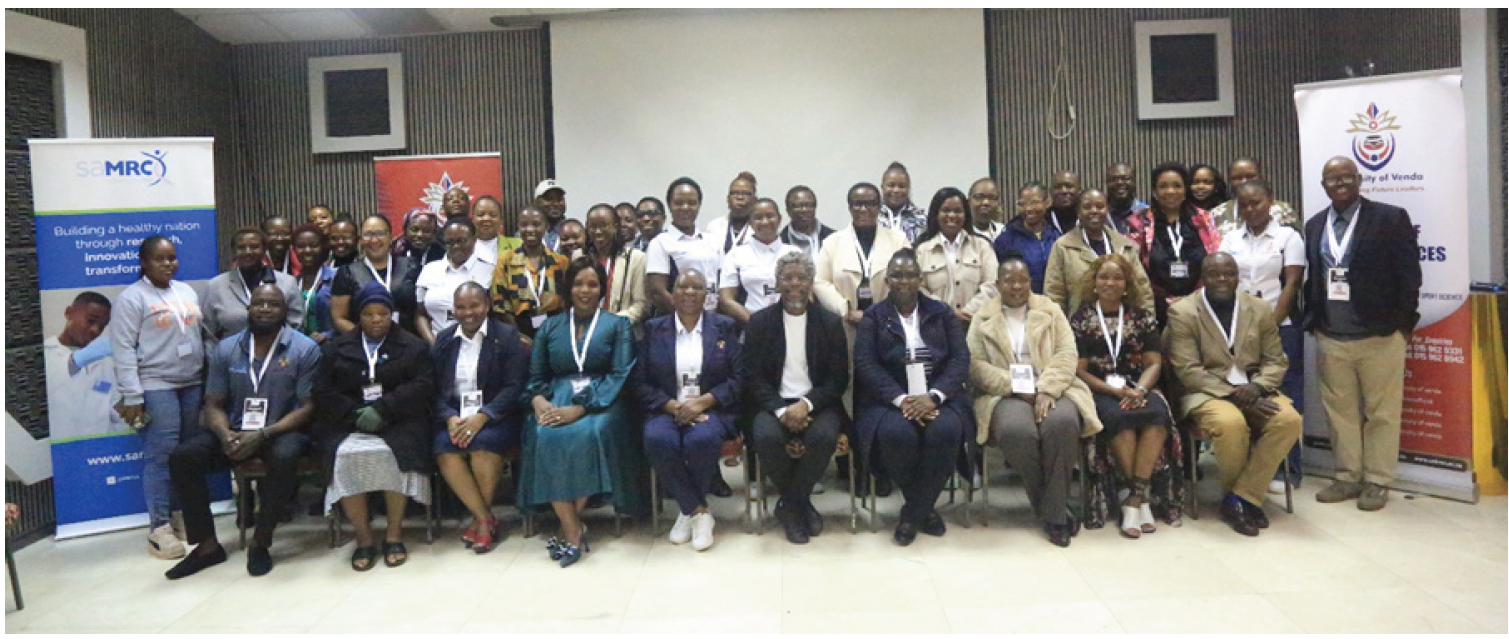
Group Photo of some of the conference participants
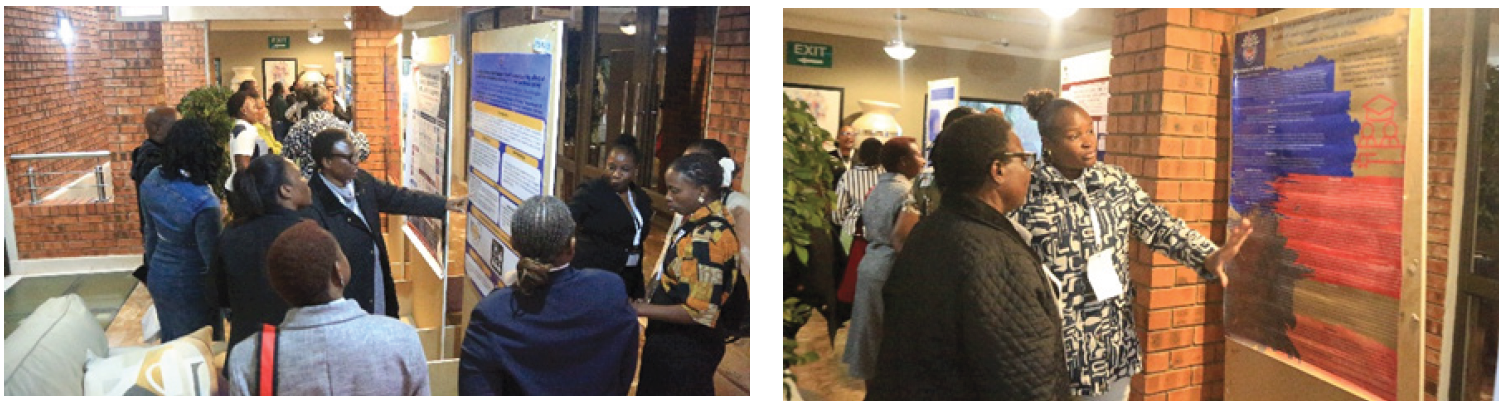
Poster presentations
On Day 2 of the conference, the guest peaker, Prof Takalani Tshitangano from the University of Limpopo presented the public health strategy to improve maternal and child health. She emphasised that failure to prevent maternal and child mortality is unethical.
Head of Department for the Limpopo Department of Health, Dr Ntodeni Ndwamato presented policy and guidelines on maternal and child health. She said that their policy guidelines will add the preconception care recommendation. Dr Ndwamato also acknowledged the need of health promotion department to promote optimal health for healthier future.
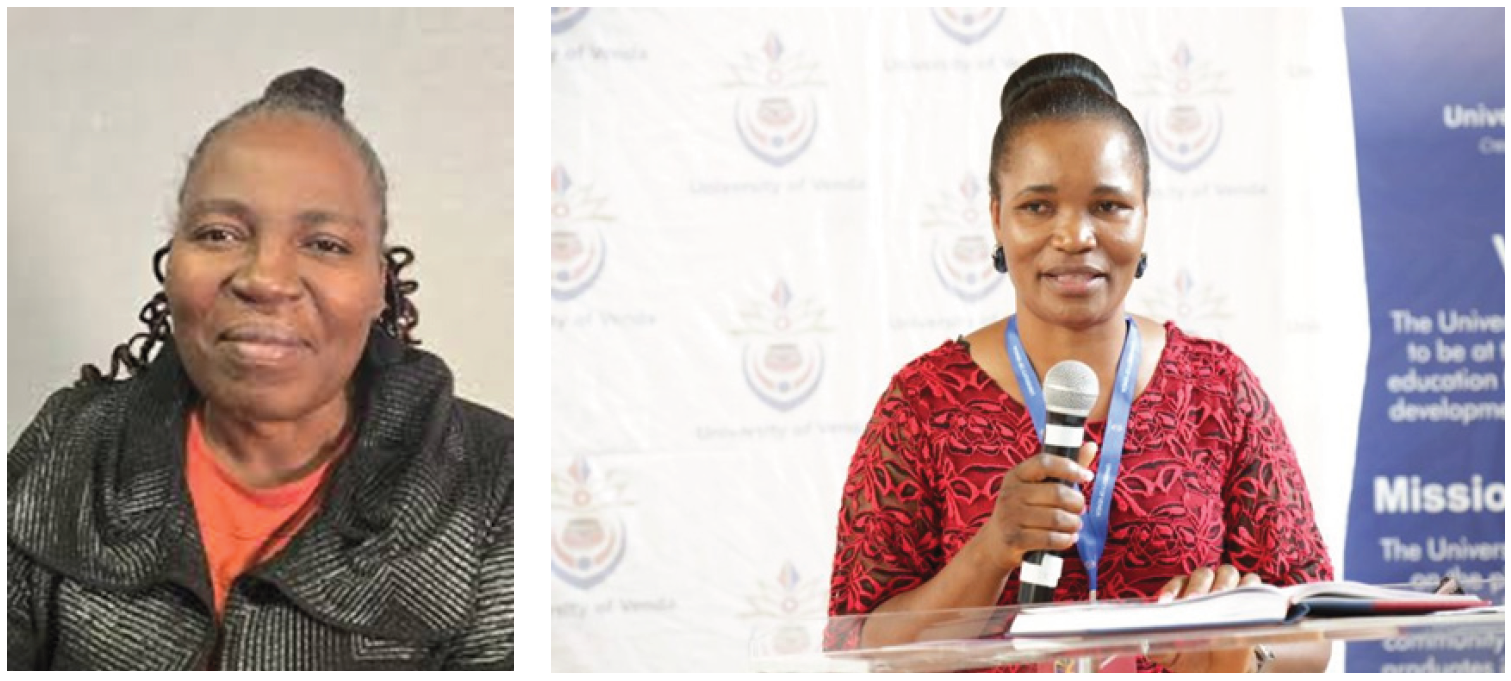
Left: Dr Ntodeni Ndwamato Right:Prof Takalani Tshitangano
This session added the aspect of culture and health. Presenters presented the model of culture that can facilitate proper preconception care that can promote maternal and child health. Isa Mathivha Foundation’s presentation on teenage health care emphasised that preconception care should be initiated prior to conception and should encompass a comprehensive reproductive health education, psychosocial support, and the development of decision-making competencies among adolescent girls. They further indicated that approach extends beyond pregnancy prevention, aiming to optimise long-term health outcomes, empower autonomy, and promote overall wellbeing across the life course.
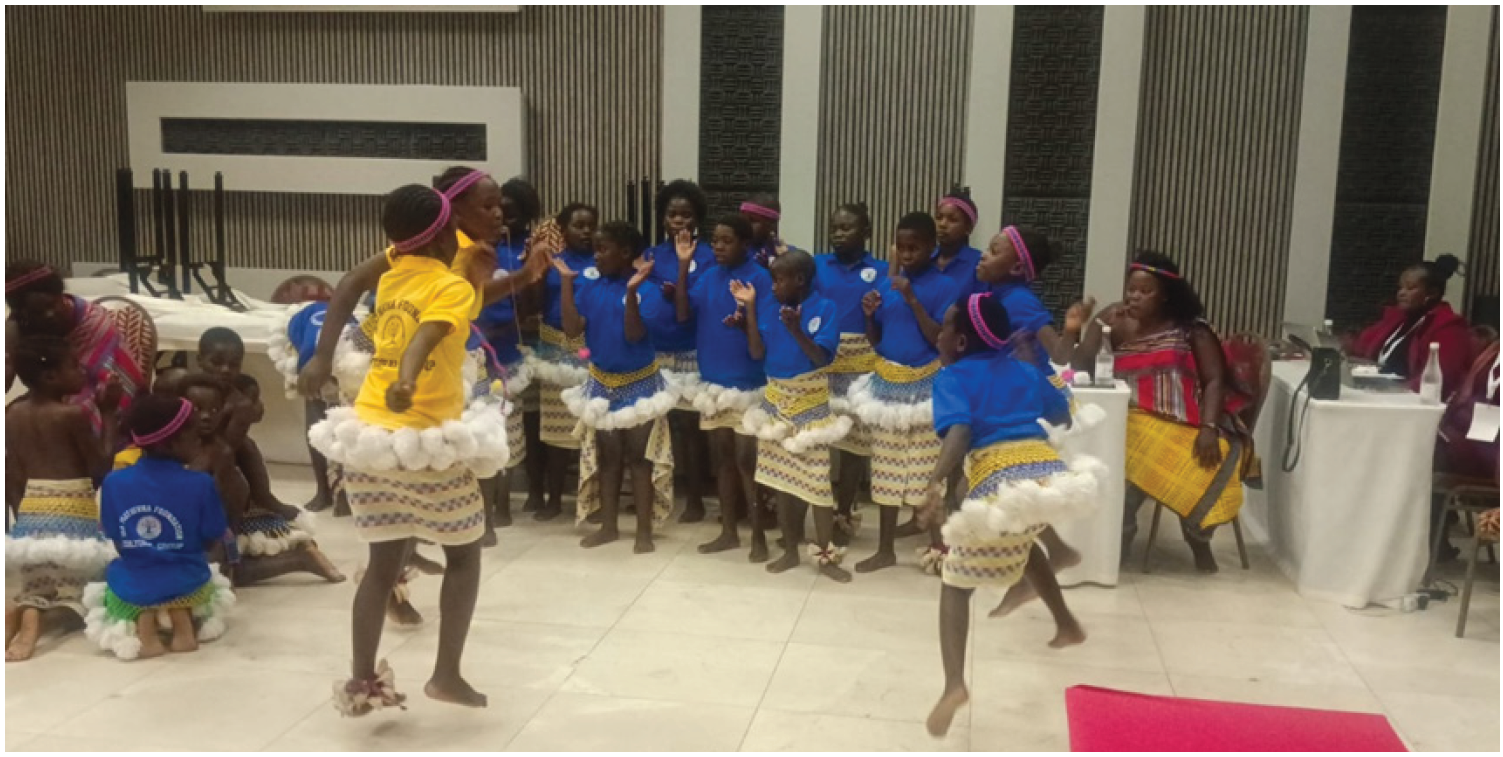
Isa Mathivha teenage performance during the closing ceremony of the conference
Issued by:
Department of Marketing, Branding and Communication University of Venda
Tel: 082 868 2218 / 082 868 1811


